

Protein Powder, Shakes Contain High Levels of Toxic Heavy Metals: Consumer Reports

Experts emphasize getting protein from whole foods—such as fish, eggs, beans, nuts, and dairy—rather than supplements.
Published: 10/17/2025, 1:28:09 AM EDT
Protein Powder, Shakes Contain High Levels of Toxic Heavy Metals: Consumer Reports
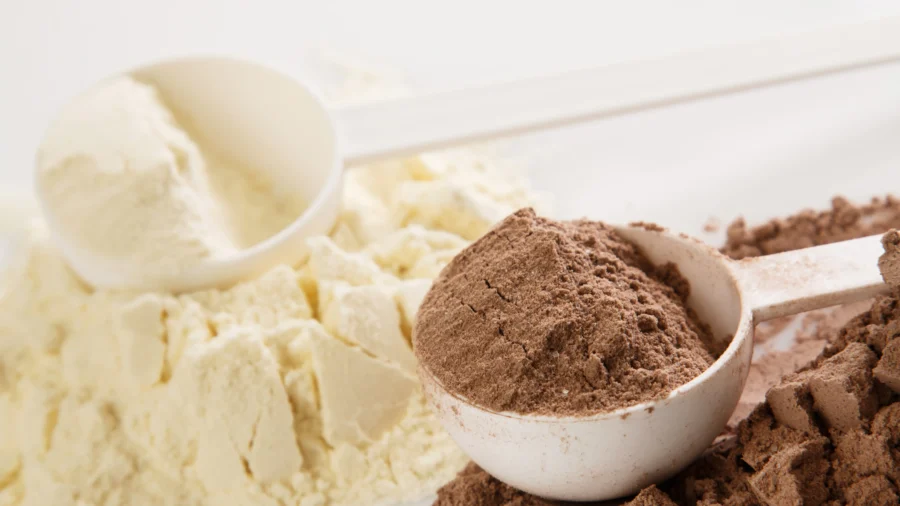
Protein powder in a stock photo. (Shutterstock)
Consumer Reports’ latest investigation has revealed that many popular protein powders and shakes contain concerning levels of heavy metals—including lead, cadmium, and inorganic arsenic. The nonprofit organization tested 23 products and found that 22 contained detectable levels of lead, and roughly 70 percent exceeded its “level of concern” of 0.5 micrograms per day.
Among the 22 products named with reported lead content was Huel’s Black Edition in chocolate flavor, which was reported to contain 6.3 micrograms of lead per serving. Huel disputed that finding on X, writing that “Consumer Reports' recommendation of 0.5mcg is extremely conservative and does not match that of the FDA (12.5mcg) or NSF (10mcg). You might exceed it with a cup of spinach. Our own independent testing puts Huel at 1.8mcg per serving average, less than a third of CR's reporting.”

A spokesperson for Huel told Consumer Reports that its ingredients undergo rigorous testing and that the company remains “confident in the current formulation and safety of the products, which is well within the levels set out by NSF.” The National Sanitation Foundation’s limit for lead in dietary supplements is 10 micrograms per day.

However, the U.S. Food and Drug Administration (FDA) states that no level of lead exposure is considered safe, particularly for pregnant people and children, whose developing brains are most vulnerable.

Constant exposure to even small amounts of lead can cause neurological issues, kidney damage, and high blood pressure, according to the Centers for Disease Control and Prevention (CDC).

Protein powders and shakes have become a staple of modern diets, marketed as quick nutrition for anyone looking to stay fit and healthy. “The U.S. protein supplements market surged past $9.69 billion in 2023, fueled by growing consumer demand for fitness, weight management, and general wellness products,” stated the Clean Label Project in their 2024-2025 study on protein powders.

In their study, 160 top-selling protein powders from 70 brands were tested for heavy metals and industrial contaminants. Working with an analytical chemistry lab, the study found that nearly half of all products—47 percent—exceeded at least one federal or state safety limit.

They also found that arsenic, cadmium, lead, and mercury were commonly detected, with plant-based powders showing the highest contamination—often five times more cadmium than whey-based options.

Chocolate-flavored and organic varieties were especially concerning in the Clean Label Project. “Interestingly, certified organic products were found to have, on average, three times the lead compared to non-organic products. This was largely due to plant-based protein powders, which tend to contain higher levels of contaminants. Our studies continue to report chocolate as a high-risk ingredient,” it stated.

An article published by Harvard Medical School on protein powders recommends using them only in limited cases—such as during recovery from illness or when dietary intake is insufficient.

It reports that experts emphasize getting protein from whole foods—such as fish, eggs, beans, nuts, and dairy—rather than supplements, which are less regulated. In addition to the toxic heavy metals, they were found to contain hidden sugars or contaminants, such as BPA.