


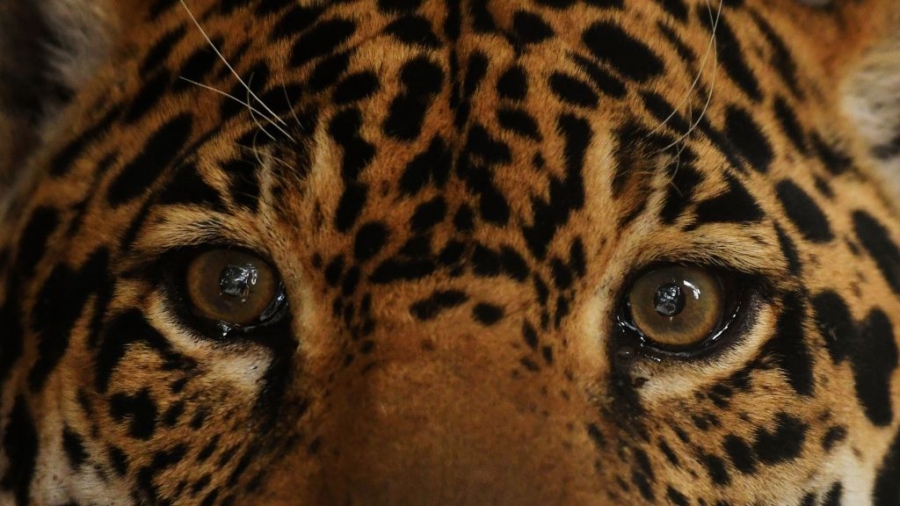
One of an extremely limited number of jaguars known to exist in the wild in the United States was shown dead in a photo.
Yo’oko was a young male jaguar who roamed the Huachuca Mountains just north of the border with Mexico. Trail cameras captured images of Yo’oko alive in 2016 and 2017.
“This tragedy is piercing,” said Randy Serraglio, conservation advocate with the Center for Biological Diversity. “It highlights the urgency to protect jaguar habitat on both sides of the border and ensure that these rare, beautiful cats have safe places to live.”
Jaguars used to live throughout the southwest U.S. Habitat destruction and aggressive government programs to protect livestock and are the main reasons so few are found in the wild today.
“We must continue working to overcome the cultural prejudice that jaguars are somehow enemies of people,” said Serraglio. “Indigenous people of the Americas have revered jaguars as majestic, powerful spirits of the wild for thousands of years. Whoever killed Yo’oko could learn a lot from them.”
U.S. Fish and Wildlife Service can legally enforce measures designed to protect endangered species. It is illegal to kill Jaguars in the U.S. and Mexico. Officials said they would need to corroborate more information before they could “look into the matter some more,” according to a spokesman, via the Star.
Since 1996, seven male jaguars have been seen in the United States, according to the Star. Jaguars are more common in Mexico, and that's where those observed in the United States in recent decades are believed to have traveled from.