


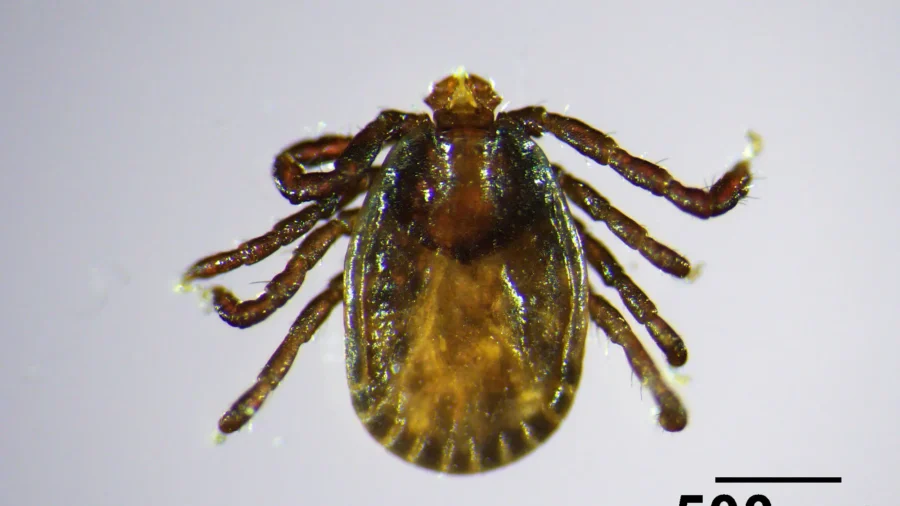
An airline pilot who died four hours after eating beef is the first Alpha-Gal Syndrome (AGS) fatality from a tick bite that is believed to create allergies to meat and dairy in its host victims.
An abstract called “Implications of a Fatal Anaphylactic Reaction Occurring 4 Hours After Eating Beef in a Young Man With Immunoglobulin E (IgE)” was published by University of Virginia (UVA) Health System researchers who said that the 47-year-old had 12 or 13 chigger bites around his ankles earlier in the summer before he passed away. Chiggers are the maggots of Amblyomma americanum, which are also known as Lone Star ticks.
The deceased pilot's symptoms included progressive abdominal discomfort, diarrhea, vomiting, collapse, and unconsciousness.
UVA Health scientists further disclosed that the deer population of many southeastern states are the primary breeding host of Lone Star ticks, which are believed to be migrating North.
The Centers for Disease Control and Prevention estimates that up to 450,000 Americans may have AGS and that multiple tick species carry it.
“When a tick bites, it can transfer Alpha-Gal from its saliva into a person's blood,” the CDC states. “The body's natural defenses, or immune system, can identify Alpha-Gal as a threat and trigger an allergic reaction.”
AGS isn’t new but the condition has gone unrecognized until recently because allergic reactions to red meat, dairy, gelatin and other products are delayed, according to Dr. Kara Wada, founder of the Immune Confident Institute who said awareness is finally catching up.
“Reactions occur 3 to 6 hours after eating,” Wada told NTD. “That delay is highly unusual in allergic reactions and is one reason the condition has gone under-recognized for so long.”
Although it sounds similar to Lyme Disease, which is caused by a bacterium carried by ticks, Wada notes that AGS differs in that it is an allergic response.
“The tick bite sensitizes or primes the immune system to create allergy type of memory to the IgE antibody,” Wada said. “Afterwards, ingestion of mammalian meat, dairy or gelatin which contain alpha-gal, can cause reactions that range from hives to anaphylaxis.”
"AGS is prompting clinicians to rethink long-held assumptions about how allergies develop," Wada added. "It highlights that environmental exposures, including arthropod bites, can set off unexpected pathways of sensitization. It also underscores the need for wider testing and awareness, as many patients spend months or years without a diagnosis."