


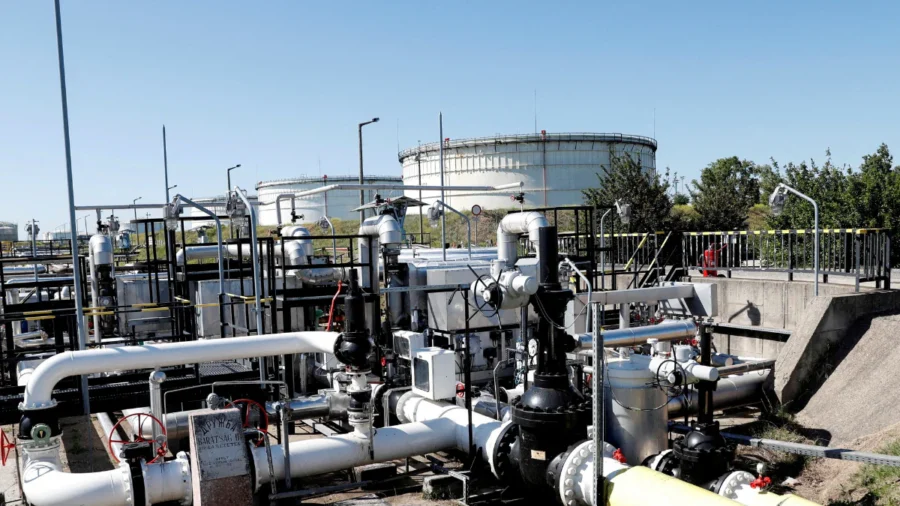
Russian oil once again flowed through the Ukrainian section of the Druzhba pipeline on April 22, after a halt that lasted months, Hungarian officials confirmed.
The Druzhba pipeline is about 2,485 miles long and carries Russian oil into the landlocked heart of Europe. It became one of the most contentious issues in European politics since it was damaged in western Ukraine, halting deliveries to Hungary and Slovakia.
This resulted in months of acrimony, with Hungary vetoing a 90 billion euro ($105.79 billion) European Union loan to Kyiv, with the government in Budapest accusing Ukraine of deliberately holding up oil supplies.
Kyiv has always denied the allegations, saying it has been working to repair the damage as quickly as possible.
Hungarian oil group MOL said in an April 22 statement that Ukraine had informed it that deliveries of Russian crude had resumed through the Druzhba.
"MOL expects the first crude oil shipments following the restart of the Ukrainian section of the pipeline system to arrive in Hungary and Slovakia by tomorrow at the latest," it said.
MOL's statement followed an April 21 post on X by Ukrainian President Volodymyr Zelenskyy, confirming the pipeline had been repaired.
"It is essential that the €90 billion European support package for Ukraine be unblocked. There can be no grounds for blocking it anymore," he wrote. "The EU asked Ukraine to repair the Druzhba oil pipeline, which had been destroyed by Russia. We have repaired it. We hope the EU will also deliver on the agreed commitments."
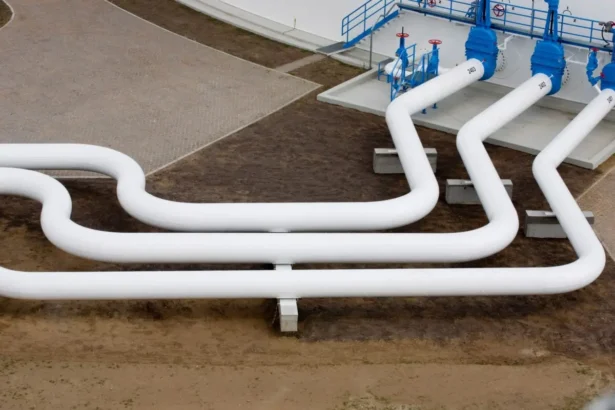
The pipeline has a capacity of 1.2 million to 1.4 million barrels of oil a day, with the potential to transport up to 2 million barrels a day, but those flows fell to a small fraction of that due to Western sanctions and drone attacks.
The EU's 27 member states are now expected to formally sign off on the loan by the afternoon of April 23, the bloc's Cypriot presidency said.
Zelenskyy, in an April 22 post on X, said that the implementation of Ukraine's agreement with the EU to unblock the loan was now "effectively underway," along with a new sanctions package against Moscow.
"The unblocking is the right signal under the current circumstances. Russia must end its war. And the incentives for that can arise only when both support for Ukraine and pressure on Russia are sufficient," he wrote.
The bloc agreed to the loan last year to maintain Ukraine's liquidity through 2026 and 2027; however, Hungary's outgoing prime minister, Viktor Orban, blocked it, and Slovakia also raised concerns.
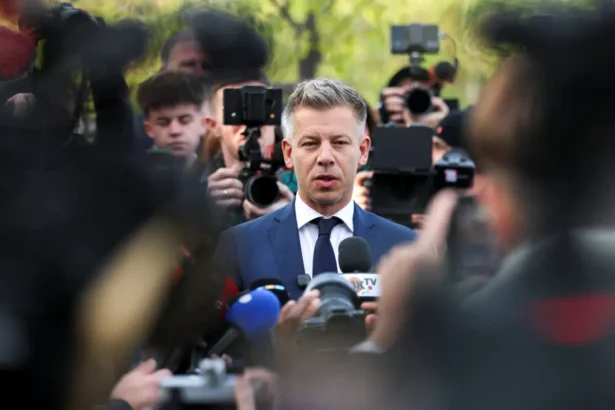
Peter Magyar, who will formally become Hungarian prime minister in May, had previously said he expected Orban to drop the veto before leaving office if oil flows restarted, describing it as a “technical veto,” according to Euro News.
Both Hungary and Slovakia are heavily dependent on Russian oil, but the two countries have been cut off from Russian oil shipments since Jan. 27, when Ukraine said pipeline equipment on the Druzhba line was damaged by a Russian strike in western Ukraine.
Magyar's comments suggest he intends to maintain the Russian oil imports in the immediate future. He has pledged to gradually reduce and eventually eliminate Hungary’s dependence on Russian energy, with a target year of 2035.