


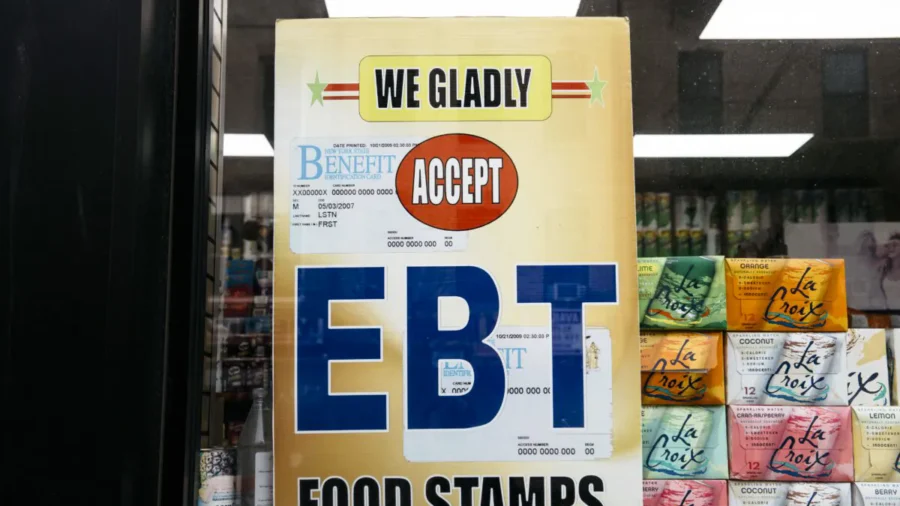
As 2026 approaches, the Supplemental Nutrition Assistance Program (SNAP)—America’s largest food assistance program—is poised for sweeping reforms. These changes are led by the Trump administration’s push to improve public health, reduce obesity and chronic illness, prioritize benefits for U.S. citizens, implement the One Big Beautiful Act (OBBB), and crack down on widespread fraud.
New State Waivers Limit What SNAP Can Buy
In December 2025, Rollins announced the approval of six additional state waivers under the department’s Make America Healthy Again (MAHA) initiative, allowing states to restrict the use of SNAP benefits for certain purchases. Hawaii, Missouri, North Dakota, South Carolina, Virginia, and Tennessee join earlier waivers for Arkansas, Idaho, Indiana, Iowa, and Utah, bringing the total to 12 states with new restrictions.The waivers allow states to redefine “food for purchase” to exclude certain sugary drinks, candy, and highly processed foods. According to the USDA, the waivers aim to “restore SNAP to its true purpose—nutrition.” Governors supporting the changes argue that the restrictions will encourage healthier eating habits.
However, not all states are adopting food purchase restrictions under SNAP. States without an approved USDA waiver will continue to allow recipients to buy any food item permitted under federal SNAP rules.
As of now, 18 states have announced plans to limit the purchase of certain foods and beverages with SNAP benefits beginning in 2026: Arkansas, Colorado, Florida, Hawaii, Idaho, Indiana, Iowa, Louisiana, Missouri, Nebraska, North Dakota, Oklahoma, South Carolina, Tennessee, Texas, Utah, Virginia, and West Virginia.
Start dates and the scope of restrictions differ widely. For example, Arkansas’ waiver takes effect July 1, 2026, and bars the purchase of soda, low-juice fruit drinks, other unhealthy beverages, and candy.
Florida’s restrictions begin April 20, 2026, and prohibit soda, energy drinks, candy, and prepared desserts. Iowa, which begins enforcement on Jan. 1, 2026, will restrict most taxable food items, including candy and soda, while allowing purchases of whole foods, seeds to grow food, and plants that produce food.
Missouri’s restrictions start Oct. 1, 2026, targeting candy, prepared desserts, and certain beverages, while Virginia’s April 1, 2026, waiver limits the purchase of “sweetened beverages.”
Expanded Work Requirements
The One Big Beautiful Bill Act (OBBB) of 2025, signed July 4, 2025, expands SNAP’s work requirements. “Able-Bodied Adults Without Dependents” now includes individuals aged 18–64, up from the previous age limit of 54. Exemptions for veterans, people experiencing homelessness, and former foster youth have been curtailed.Benefit Adjustments and Income Eligibility
SNAP benefit levels and income eligibility were also adjusted for fiscal year 2026 through a cost-of-living update intended to offset higher food and housing costs.The shelter deduction cap, which affects how housing costs are factored into benefit calculations, increased to $744. And income eligibility thresholds were also updated.
States Face Higher Administrative Costs
Under OBBB, beginning Oct. 1, 2026, for the fiscal year 2027, states will have to pay 75 percent of SNAP administrative costs, up from 50 percent previously, shifting a major portion of the program’s operational burden to state budgets. States with high error rates could face additional financial penalties starting in fiscal year 2028.Immigrants and SNAP in 2026
SNAP eligibility for immigrants has narrowed under OBBB. Previously, lawfully present immigrants—including refugees, asylees, parolees, and certain humanitarian groups—could qualify after meeting income requirements and a 5-year waiting period, unless exempt.Following the 2025 law, only a limited group of non-citizens is eligible for SNAP: lawful permanent residents (LPRs), Cuban and Haitian entrants, and citizens of Compact of Free Association nations.
Most LPRs must complete a five-year waiting period unless they qualify for an exemption, such as children under 18, blind or disabled, and having 40 qualifying work quarters.
SNAP Overhauls Expected
Agriculture Secretary Brooke Rollins announced that SNAP will undergo a sweeping overhaul after federal reviews revealed extensive fraud in the program.In a Nov. 13 interview on Newsmax’s “Rob Schmitt Tonight,” Rollins cited data from 29 primarily Republican-led states showing 186,000 deceased individuals still receiving benefits and 500,000 people collecting duplicate payments.
“This is just data from those 29 mostly red states,” she said, adding that further reviews could reveal more problems, as not every state has shared SNAP data with the USDA. Rollins said the findings are driving a fundamental overhaul that would require all SNAP recipients to reapply to ensure benefits go only to those who are truly eligible.