


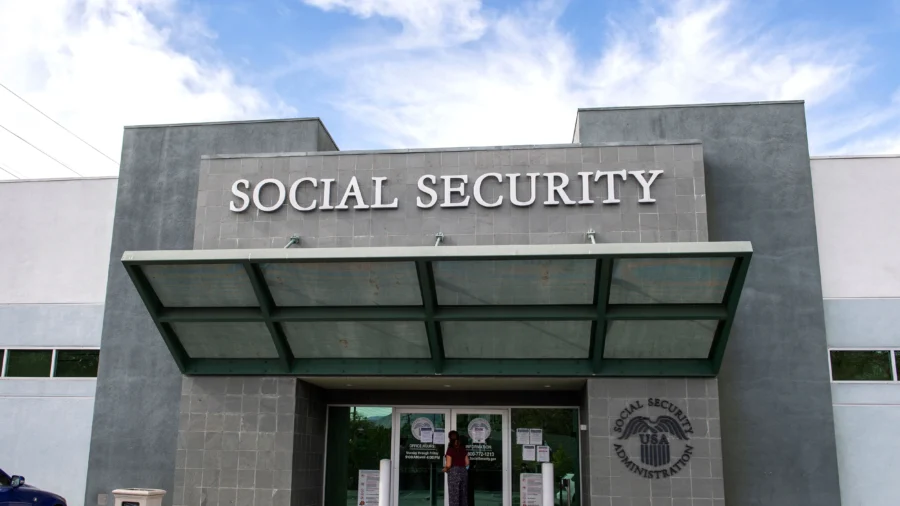
The Social Security Administration (SSA) has renewed a past policy that allows it to more quickly claw back overpayments made to millions of Americans.
"The withholding rate change applies to new overpayments related to Social Security benefits," the SSA said.
"The withholding rate for current beneficiaries with an overpayment before March 27 will not change and no action is required. The withholding rate for Supplemental Security Income overpayments remains 10 percent," it said.
"People who are overpaid after March 27 will automatically be placed in full recovery at a rate of 100 percent of the Social Security payment."
CustomFitFinancial.com owner and CFP Chad Gammon expects the new policy to cause financial hardship for those impacted.
“This will put a strain on local assistance programs like food banks and shelters,” Gammon told NTD.
The policy shift follows President Donald Trump's aim to cut government bureaucracy and boost efficiency. Last month, the SSA dissolved the Office of Civil Rights and Equal Opportunity in February and eliminated the Office of Transformation.
"As we have recently seen in other areas of government, there is a push for efficiencies and trying to recover or cut costs from what some might say was mismanagement by our government," Gannon said.
The Office of the Chief Actuary estimates that activating the policy will result in recovering about $7 billion over the next 10 years.
Overpayments are typically not the fault of beneficiaries, according to Georgia attorney Madeline Summerville.
“Technically, those U.S. citizens receiving social security entered into an agreement with the U.S. government, upon which they reasonably relied,” Summerville told NTD. "That reliance could lend itself to a lawsuit for the resulting damages.”
Gammon recommends contacting the SSA office and requesting a waiver or repayment plan for funds under the stricter guidelines.
"This is going to take some time and so it is essential to look at your finances and see if you can budget differently," Gammon added. "That might be a longshot too, but everything you can do will help. The last portion is to check with legal aid or emergency assistance programs."
Social security income recipients can also appeal an overpayment decision or the amount alleged overpaid and ask SSA to waive collection if they believe it was not their fault and can't afford to pay it back.
The agency said it does not pursue recoveries while an initial appeal or waiver is pending.
“Because some people who were already identified as having been overpaid in the last administration were promised that they would only be docked 10 percent at a time but folks who were just now identified as having been overpaid were not made such a promise, it is easier for the government to get away with a 100 percnt reduction without backlash,” Summerville added.
The older policy dates back to the Obama administration and first Trump administration, according to Social Security Acting Commissioner of Social Security Lee Dudek.
“We have the significant responsibility to be good stewards of the trust funds for the American people,” Dudek said in the March 7 press release. “It is our duty to revise the overpayment repayment policy back to full withholding.”