


Regulatory compliance software company Trace One found that California and Ohio lead by total counts because they are large in size.
“Both states have large restaurant industries and strong public health programs, meaning more meals served, more opportunities for detection, and more resources to investigate and report outbreaks once they occur,” Trace One company leaders told NTD.
Foodborne disease outbreaks are generally defined by Trace One as confined to a single venue or household as the primary settings for outbreaks.
As a result, recall status was missing for 41 percent of reports in the analysis.
“Because outbreaks linked to widely distributed, branded products are more likely to prompt recalls versus those confined to a single venue or household, only a small minority lead to recalls,” company leaders said in an email.
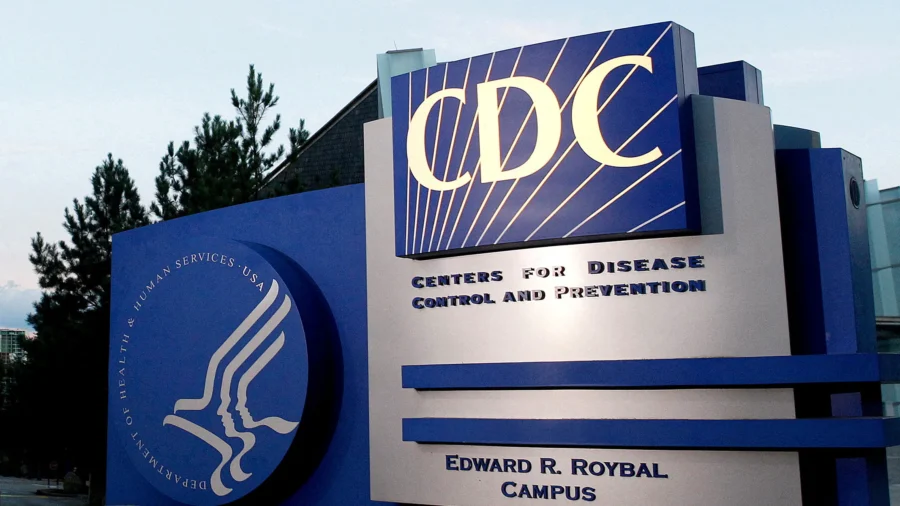
The Trace One study is based on an analysis of the Centers for Disease Control and Prevention (CDC)’s National Outbreak Reporting System.
At 13.4 percent, chicken was the most frequently implicated in foodborne illnesses, followed by 13.1 percent for fish, 10.6 percent for dairy products, 10.4 percent for row crop vegetables, 7.4 percent for beef, and 5.4 percent for pork.
"Consumers can significantly lower their risk of foodborne illness by keeping cold foods at or below 40°F, preventing cross-contamination by not reusing cutting boards without washing them, for example, and cooking food to their respective recommended safe temperatures using a kitchen thermometer rather than going by sight or following recipe timelines alone," company leaders said.
The study further found that Rhode Island, Minnesota, Colorado, Wyoming, and Utah had the highest rate, not total count, of foodborne disease outbreaks, which isn't necessarily negative.
“High per-capita rates usually reflect strong detection and reporting, not necessarily worse food safety,” they said. “Because of this, it's hard to pinpoint which areas have more true risk; they might just have stronger surveillance systems in place.”
Norovirus causes the largest share nationwide of outbreaks due to high contagiousness and its persistence on surfaces, while full-service restaurants are the single most common outbreak setting, according to the study.
Contamination by sick workers is a top contributing factor in retail outbreaks.
“Restaurants handle many ready-to-eat items, involve multiple handoffs, and depend heavily on employee health practices,” company leaders added. “Besides enforcing hand-washing, glove use, and other safe food handling practices, restaurants can reduce contamination risks significantly by adopting and enforcing strict ‘don't work while sick’ policies for their employees.”