


The recall was initiated on March 12 by the manufacturer, Fruselva USA, based in Miami, Florida. According to the recall, the baby food is packaged in 4-ounce containers and intended for children aged six months and older.
The product’s UPC code is 1 91907-99314 1, and the lot numbers involved are 4169, with a "Best by" date of Dec. 9, 2025, and 4167, with a "Best by" date of Dec. 7, 2025. The product was made in Colombia and distributed across the country.
The FDA released final guidance estimating that these new standards could lower lead exposure from processed baby foods by roughly 20 to 30 percent. While the guidelines are not mandatory for food manufacturers, they do give the FDA the authority to take enforcement measures if products are found to exceed the recommended levels.
This action is part of the FDA’s ongoing work to “reduce dietary exposure to contaminants, including lead, in foods to as low as possible over time, while maintaining access to nutritious foods,” the agency said in a statement.
The CDC recommends evaluation and intervention for blood lead levels as low as 5 micrograms per deciliter, according to the academy.
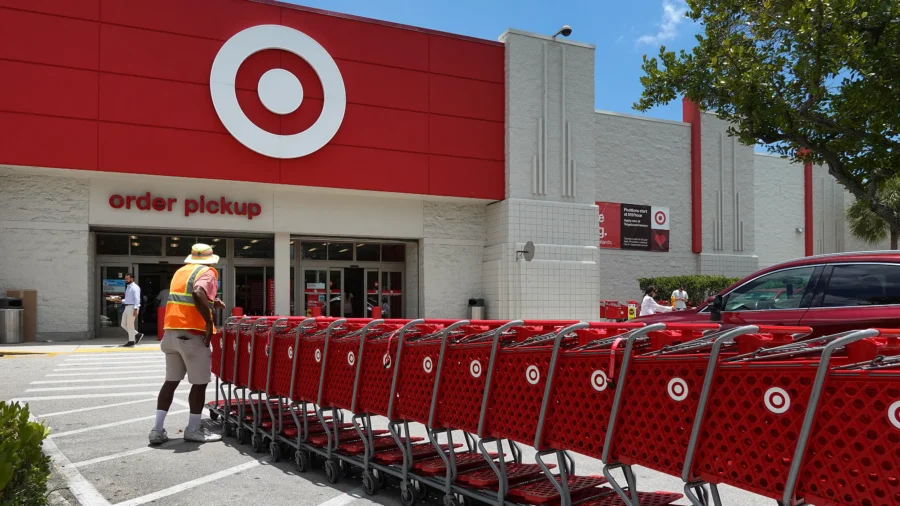
Target said in a statement to media outlets that it is committed to food product safety, and the recall involves a limited amount of the baby food.
“At Target, we’re committed to providing safe, high-quality products for our guests. We require our suppliers to comply with all applicable food safety standards and federal, state, and local regulations … This recall involved a limited amount of product, which we took immediate action to remove from our shelves,” the company said.
A Target spokesperson did not immediately return a request for comment made by NTD.
The latest recall follows a series of recent product safety issues in the United States, including recalls of blender bottles and steam espresso machines over safety concerns. The Consumer Product Safety Commission (CPSC) has reported an increase in recalls and safety warnings, many linked to imported products from China, which often evade U.S. safety standards.