


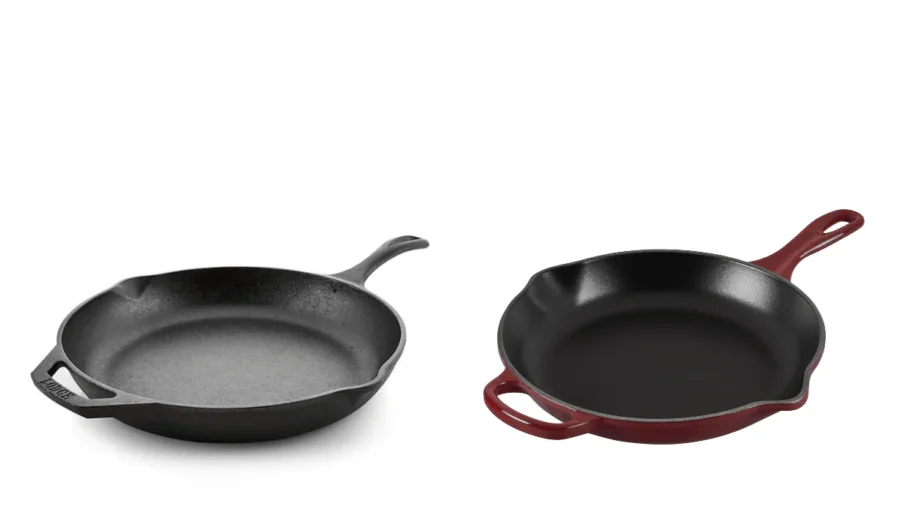
Whether you want to sear a steak, bake cornbread, or fry an egg, a cast-iron skillet can handle it all with ease and style. It’s more than just a cooking utensil—cast-iron skillets are favored by top chefs and home cooks alike.
But what makes them different from other pans, and how do you choose the best one for your kitchen? In this article, we’ll answer those questions and share tips and tricks for using and caring for your skillet, since cast iron needs proper care to avoid rusting, sticking, or cracking.
The Breakdown:Cooklife Lightweight Pre-Seasoned Skillet
Stargazer Cast-Iron Skillet
Finex Cast-Iron Skillet
Lodge Cast-Iron Skillet
Victoria Cast-Iron Skillet
Le Creuset Enameled Cast-Iron Skillet
Staub Cast-Iron Fry Pan
Utopia Kitchen Cast-Iron Skillet
Dash Cast-Iron Skillet
Commercial Chef Cast-Iron Skillet
Cooklife Lightweight Pre-Seasoned Skillet
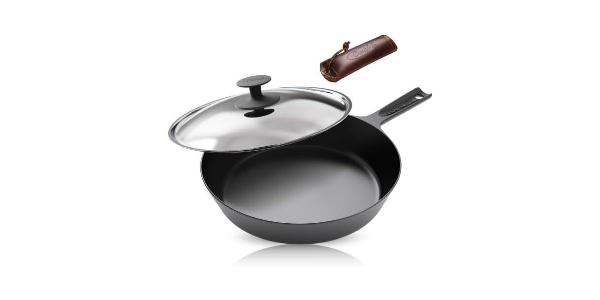 Cooklife Lightweight Pre-Seasoned Skillet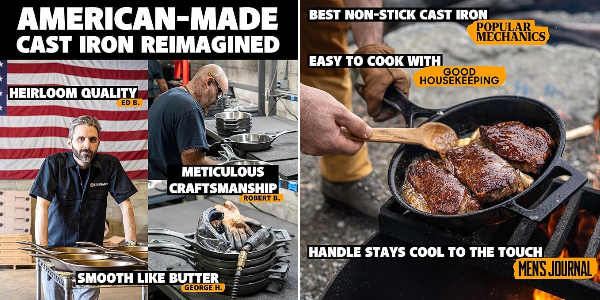
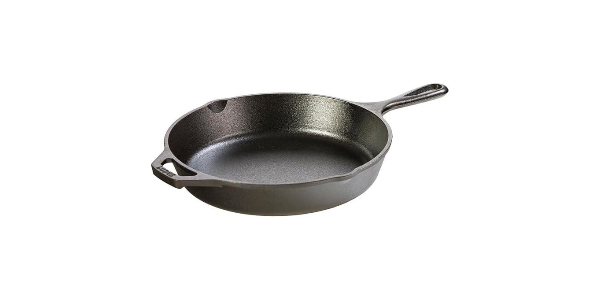
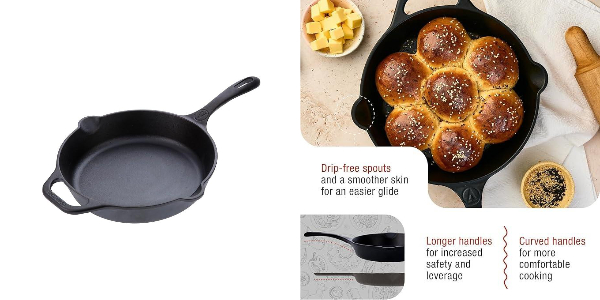
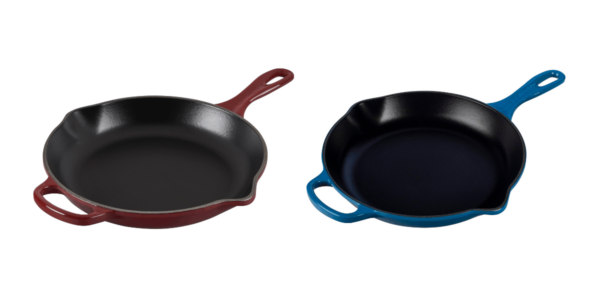
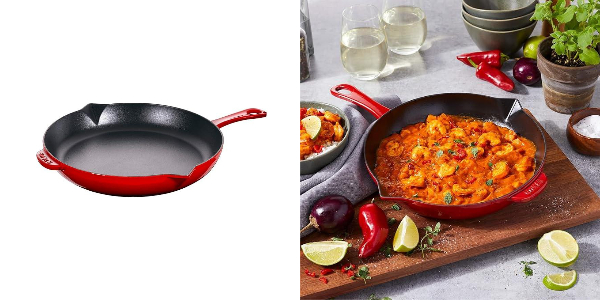
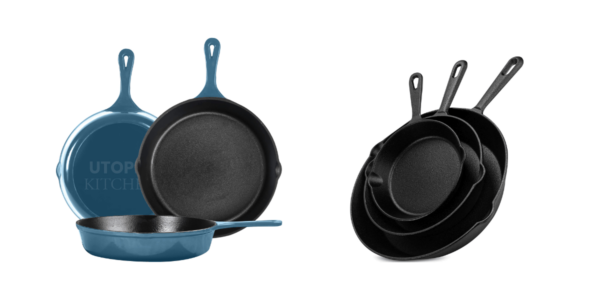
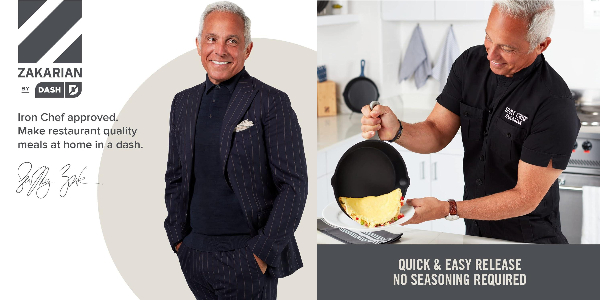
Commercial Chef Cast-Iron Skillet
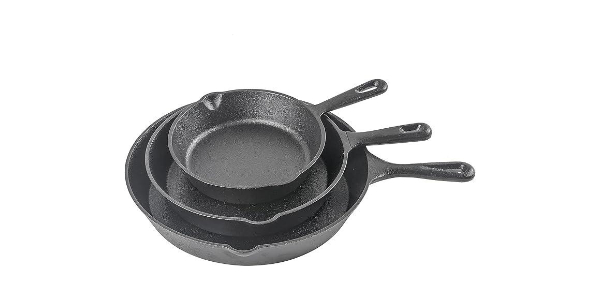 Commercial Chef Cast-Iron Skillet
The Commercial CHEF 3-Piece Cast Iron Skillet Set is built tough for home cooks who want heavy-duty, reliable cookware that can handle everything. This set includes 8", 10", and 12" skillets crafted from thick, durable cast iron that delivers excellent heat retention and even cooking. Each pan is pre-seasoned and ready to use, but they’re designed to develop a naturally nonstick surface with regular seasoning and use. The sturdy handles include hanging holes for easy storage. If you want cast iron that feels rugged and commercial-grade without the commercial price, this set delivers long-lasting performance for searing, frying, baking, and more.
$32.05 at Amazon (Price at Time of Publishing)FAQ
Is It Healthy to Cook In A Cast Iron Skillet?
Using a cast iron skillet can actually boost the iron content in your food, especially when cooking acidic or moist dishes. This is a plus for anyone dealing with iron deficiency or anemia.
Because cast iron skillets develop a natural nonstick surface, you often need less oil, helping to cut down on calories and saturated fat.
Unlike some other cookware like Teflon or aluminum, cast iron doesn’t release harmful chemicals, lowering your risk of exposure to toxins or cancer-causing substances.
Plus, cast iron pans are extremely durable and versatile, letting you experiment with a wide range of cooking styles and recipes for more enjoyable meals.
What Do You Cook In A Cast-Iron Skillet?
Some of the best dishes you can cook in a cast iron skillet are:- Steak: Cast iron skillets can create a perfect sear and crust on steaks and retain the heat and juices.
- Cornbread: Cast iron skillets can make a crisp, golden crust on cornbread. They keep it moist and tender inside. Add cheese, jalapeños, bacon, or other ingredients to your cornbread batter. They will add flavor and texture.
- Baking bread, cakes, pies, and other baked goods, giving them a golden and crispy crust.
- Breakfast: Frying eggs, bacon, potatoes, and other breakfast foods make them crispy and tender.
- Roasting meat: Chicken, turkey, pork, and other meats will get a juicy and tender texture.
- One-pot meals: Making soups, stews, chili, and other hearty one-pot meals has never been easier.
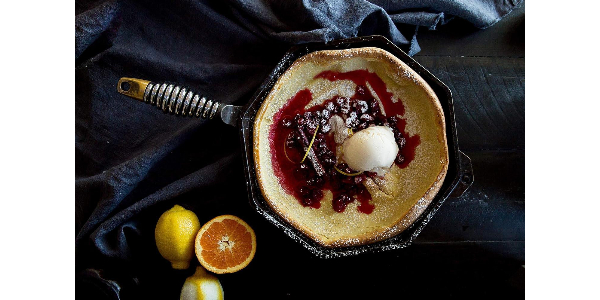
- Dutch baby: Cast iron skillets can bake a Dutch baby, which is a large and fluffy pancake that puffs up in the oven.
What Is The Best Oil to Season Cast Iron Skillets?
Seasoning a cast iron skillet means applying oil to its surface and heating it at a high temperature to create a protective, nonstick layer.
The best oils for seasoning have a high smoke point, meaning they can withstand high heat without burning or breaking down. Here are some popular options:
- Flaxseed oil is known for forming a hard, durable coating on cast iron. Its smoke point is around 225°F, which makes the seasoning process fast but may require careful temperature control.
- Canola oil is affordable and widely available, with a high smoke point of about 400°F—great for general seasoning.
- Vegetable oil is another common, budget-friendly option with a smoke point around 400°F, making it suitable for cast iron.
- Avocado oil is a premium choice with a very high smoke point of around 500°F. It’s ideal if you want a healthy oil with excellent heat tolerance.
Should I Oil My Cast Iron After Every Use?
Yes, it’s a good idea to oil your cast iron skillet after every use. This helps maintain the seasoning, prevents rust, and keeps the surface nonstick and easy to clean.
Here’s how to do it:
- Wash your cast iron with hot water and a sponge or stiff brush. Avoid using soap, steel wool, or the dishwasher, as they can strip the seasoning. For stuck-on food, scrub with coarse salt and hot water.
- Dry it thoroughly using a paper towel or lint-free cloth. You can also heat the pan on the stove for a few minutes to make sure it’s completely dry.
- Oil the skillet with a thin layer of high-smoke-point cooking oil (any from the list above works). Use a paper towel or cloth to rub oil over the entire surface, including the handle and bottom. Wipe off any excess.
- Store in a dry, cool place. Avoid stacking it with other cookware unless you place a towel or cloth between items to protect the seasoning.
What Happens If You Don't Oil Your Cast Iron?
If you skip oiling, the seasoning can wear down over time, making the skillet more prone to rust and food sticking. Rust also weakens the pan’s durability and cooking performance.Do You Wash a Cast Iron Skillet?
Yes, you should wash your cast iron skillet—but differently from other pans. Use hot water and a sponge or stiff brush. A little gentle soap is okay if needed, but avoid harsh detergents or scrubbing pads that can strip the seasoning.How Do You Clean a Rusty Cast Iron Skillet?
If your skillet develops rust, don’t worry—it’s fixable.
- Scrub with hot water and a bit of soap. Avoid vinegar or acids, as they can damage the metal.
- Rinse and dry thoroughly.
- Re-season the pan by applying oil and baking it at high heat. You may need to repeat this a few times to rebuild a solid coating.
- Maintain it by following proper washing, drying, and oiling steps after each use.
How Do You Cook a Steak In a Cast-Iron Skillet?
Cooking a steak in cast iron is simple and produces great results:
- Preheat your oven and heat the skillet on the stove over high heat until it’s very hot and slightly smoking.
- Season the steak with oil, salt, pepper, and any preferred herbs or spices.
- Sear the steak in the skillet for about 3 minutes per side until a brown crust forms. Use tongs to sear the edges if needed.
- Transfer to the oven and cook for 5–10 minutes, depending on your preferred doneness.
- Rest the steak for 10 minutes before slicing and serving.