

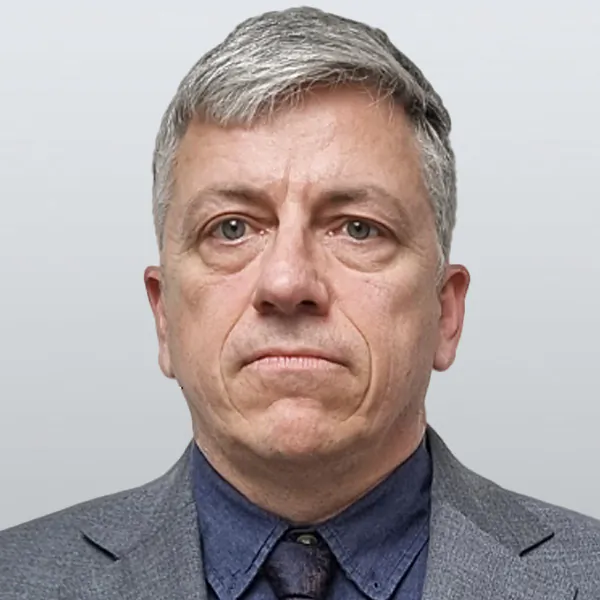
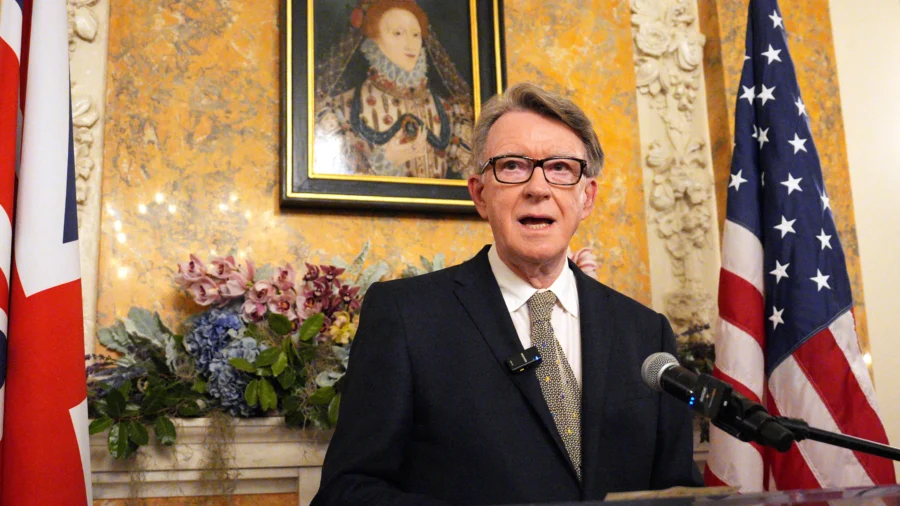
Starmer acknowledged in parliament on April 20 that he had made the wrong judgment in appointing Mandelson as the British ambassador, but refused to resign over the issue when some called for him to step down.
In a post on Truth Social on April 20, Trump wrote: "Prime Minister Keir Starmer of the United Kingdom acknowledged that he 'exercised wrong judgement' when he chose his Ambassador to Washington. I agree, he was a really bad pick. Plenty of time to recover, however!"
Starmer told the House of Commons on Monday that he would have withdrawn the appointment if he had known Mandelson had failed security checks, something he says he has only learned recently.
He criticized Foreign Office officials who, he says, failed to inform him of the concerns raised during the vetting process. Starmer told lawmakers in the House of Commons that he would not have gone ahead with the appointment had he known about these concerns.
He called it “frankly staggering” that officials did not tell him about the outcome of the vetting process.
“At the heart of this, there is also a judgment I made that was wrong,” Starmer said. “I should not have appointed Peter Mandelson. I take responsibility for that decision, and I apologize again to the victims of the pedophile Jeffrey Epstein, who were clearly failed by my decision.”
Kemi Badenoch, leader of the opposition Conservative Party, said she found it difficult to believe his lack of curiosity surrounding the vetting process.
“It doesn’t appear that he asked any questions at all. Why? Because he didn’t want to know," she said.
'Borderline Case'
Sir Oliver Robbins, a senior Foreign Office official, was fired from his post last week by Starmer after it emerged that Mandelson had been approved for the ambassador role despite the government's security vetting agency recommending he be rejected.Robbins gave evidence to the House of Commons Foreign Affairs Select Committee on April 21.
"I was briefed that [United Kingdom Security Vetting] considered Mandelson a borderline case and that they were leaning towards recommending the clearance be denied," he told the committee.
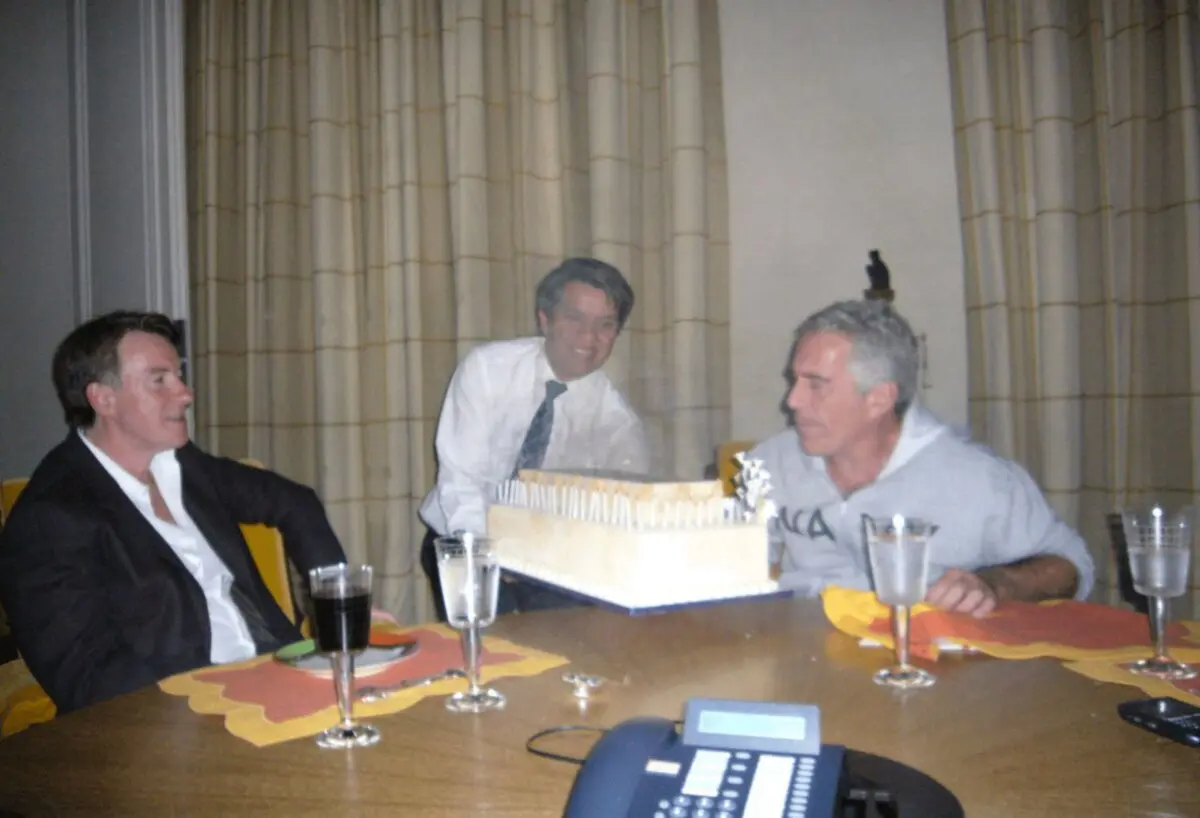
He said the Foreign Office security department was "leaning towards recommending the clearance be denied," but assessed that the risks identified as most concerning could be managed or mitigated.
Robbins said he was also told that the risks did not relate to Mandelson's relationship with Epstein.
"I was told that UKSV acknowledged ... that the Foreign Office might wish to grant clearance with appropriate risk management," he said.
'Political Pressure'
Robbins said he was under political pressure to approve Mandelson, but he insisted Foreign Office officials did not buckle and followed the correct process. He said there was “a generally dismissive attitude” to the security vetting in January 2025, before Mandelson went to Washington.Robbins said security clearance should have been approved before the appointment was announced.
"In the American context ... it's a particularly sensitive issue," Robbins told the committee. "Because the United States government is very hot on the clearances people hold."
Robbins also told the committee that the incoming Labour government was keen to appoint non-diplomats, such as Mandelson, to diplomatic roles, which carried with it a risk of reputational damage.
In February, Starmer's chief of staff, Morgan McSweeney, stepped down amid the Mandelson controversy. McSweeney admitted he had advised Starmer to make the appointment.
Starmer could face a leadership challenge following local and regional elections on May 7, which will be seen as a midterm verdict on him and his government.