


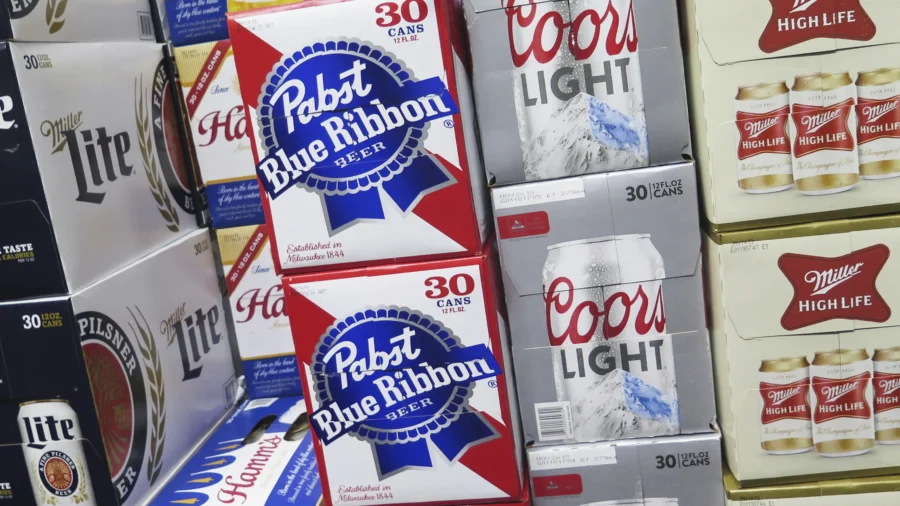
Alcohol consumption in the United States has dropped to a record 54 percent, the lowest—by one percentage point—in Gallup's 90-year coverage of this subject.
However, death from alcohol consumption has also dramatically increased, following a report from early 2020 showing that increasing numbers of Americans are drinking themselves to death among people over the age of 16.
It appears that while fewer are drinking alcohol, deaths from liver disease, alcohol poisoning, and death from alcohol-related mental and behavioral conditions are alarmingly high, with 25 percent higher in 2024 than in 2019. Of those years, 2021 saw the most alcohol-related deaths, totaling 54,258.
Wong and his team reported that these results also coincide with more and more Americans believing that moderate alcohol consumption is unhealthy. This is the first time there is a majority that believe this.
Alcohol-induced deaths, via crude rates, increased by 89 percent from 1999 to 2024. The findings revealed that the largest increase occurred among females—a 255 percent increase—of those between the ages of 25 and 24.
Males between 25 and 34 saw a 188 percent increase.
When broken down into racial groups, American Indian and Alaska Native populations were hardest hit by alcohol-induced deaths.
And females in all demographic groups saw a concerning rise in deaths from alcohol use. In fact, females were more impacted by alcohol-related liver disease than males; alcohol-related mental and behavioral disorders affected both genders.
The study noted that alcohol consumption saw a sharp increase during the peak of COVID-19 in 2021.
Crude rates remained abnormally high throughout 2023, with decreases occurring in 2024.
That is leading to drinkers of alcohol drinking less, creating a challenge for beer and liquor producers. Along with that, the Gallup polling showed that young adults were more open than older Americans to take the "no amount of alcohol is safe" message to heart.
That message is on par with efforts 60-plus years ago to warn people about the dangers of smoking, a message that led to a decline in smoking in subsequent decades.
The trajectory of U.S. drinking could also depend on how much doctors, health authorities, and policymakers reinforce the message that no amount of alcohol is risk-free.