


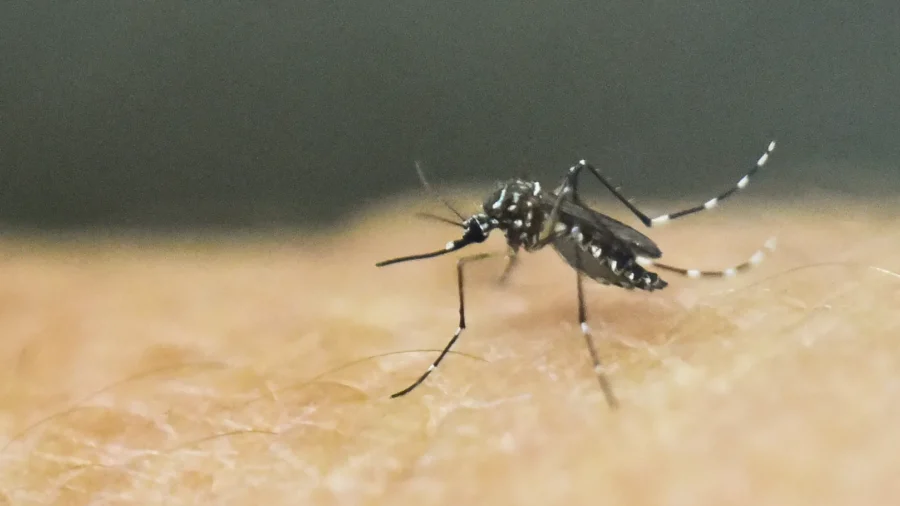
A quiet beach community popular with American tourists has emerged as the center of a tropical viral outbreak.
So far in 2026, Costa Rica has reported a total of 16 cases, including this outbreak.
The people impacted involve both locals and foreign tourists, according to the health alert.
Symptoms can include fever, joint pain, headaches, muscle pain, joint swelling, and rash. Of 45 suspected cases investigated, 4 have been confirmed and 17 have been classified as probable, according to the CDC.
“Local transmission means the virus is now circulating in the local mosquito population in that area, not just arriving via travelers,” the U.S. Embassy alert states. “Playa Langosta and the surrounding Guanacaste coast are common destinations for U.S. citizens.”
Transmission of Chikungunya Virus
Chikungunya is transmitted by two species of mosquitoes that belong to the Aedes subgroup. Outbreaks of chikungunya virus have occurred in Africa, the Americas, Asia, Europe, and islands in the Indian and Pacific Oceans, according to the CDC.There is a risk that the virus can spread to unaffected areas via infected tourists, because they act as mobile hosts.
A single infected vacationer returning home to a region with active Aedes mosquitoes can cause a new local outbreak.
There is no widely available vaccine for travelers. As a result, health officials are urging visitors to the Guanacaste coast to practice strict mosquito-bite prevention.
Prevention protocols include using EPA-registered repellents, such as DEET, picaridin, or IR3535; wearing protective clothing, such as long sleeves and pants; and eliminating standing water around rental properties.
The U.S. Embassy in Costa Rica is urging anyone experiencing a fever above 102° F or severe joint pain during or after their stay to seek immediate medical attention.
Rest, fluids, and over-the-counter pain medicines, such as acetaminophen or paracetamol, can reduce some symptoms, including fever and pain.
If dengue fever is present, however, officials advise against taking aspirin or other non-steroidal anti-inflammatory drugs (NSAIDS), such as ibuprofen.
Dengue, chikungunya, and Zika are transmitted by the same genus of mosquitoes, and may cause identical initial symptoms.
Drugs like aspirin and ibuprofen further prevent platelets from sticking together.