


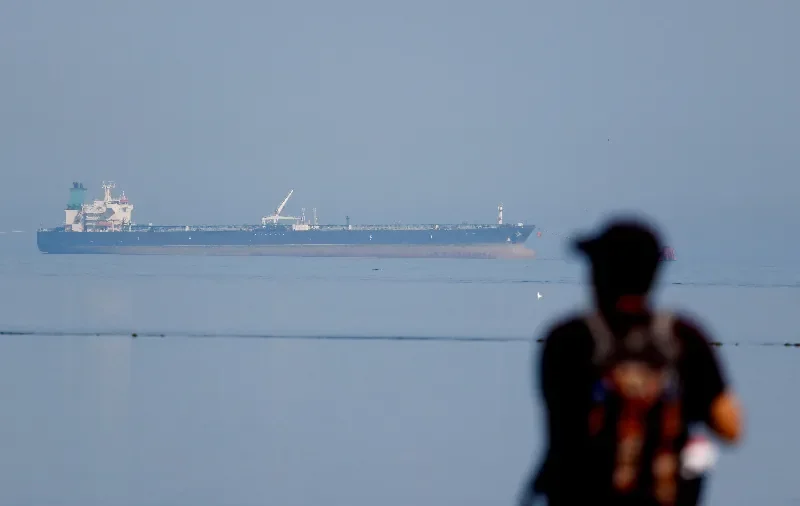
Treasury Secretary Scott Bessent on Monday announced a 30-day extension to a U.S. sanctions waiver for Russian oil cargoes at sea, a move aimed at easing pressure on surging global energy prices due to the Iran war.
Bessent said that the waiver, often referred to as a general license, would allow the most vulnerable nations the ability to temporarily access Russian oil currently stranded at sea without violating U.S. sanctions.
The waiver expired on May 16.
The waiver, which only applies to Russian oil already in transit and not to new exports or future purchases, was designed to manage market energy disruptions following instability in the Middle East.
Bessent said the extension would help poorer nations in need of oil because China would no longer have the same ability to “stockpile discounted oil” from Russia.
This marks the second extension of the Russian at-sea oil waiver.
The initial waiver was issued in March 2026 and expired on April 11, 2026, despite initial plans to let it lapse, following requests from energy-vulnerable nations.
Critics have pointed out the risks of temporarily lifting sanctions, notably that it would indirectly help Russia finance its war against Ukraine. Such an extension demonstrates how the fallout from the Iran war has strengthened Moscow’s ability to profit from its energy exports, which had been restrained since the invasion of Ukraine.
Supporters, on the other hand, argue the waiver is narrowly targeted and designed to prevent a broader global oil shock amid rising crude prices.
The waivers have also done little to reduce oil prices, but have aided India, one of the largest buyers of Russian oil. On Monday, benchmark Brent oil futures prices rose about 1.5 percent to about $111 a barrel amid growing concerns over the shipping situation in the Strait of Hormuz.
The shipping route for 20 percent of the world's oil supply has been heavily disrupted and tightly controlled since the conflict erupted on Feb. 28.