


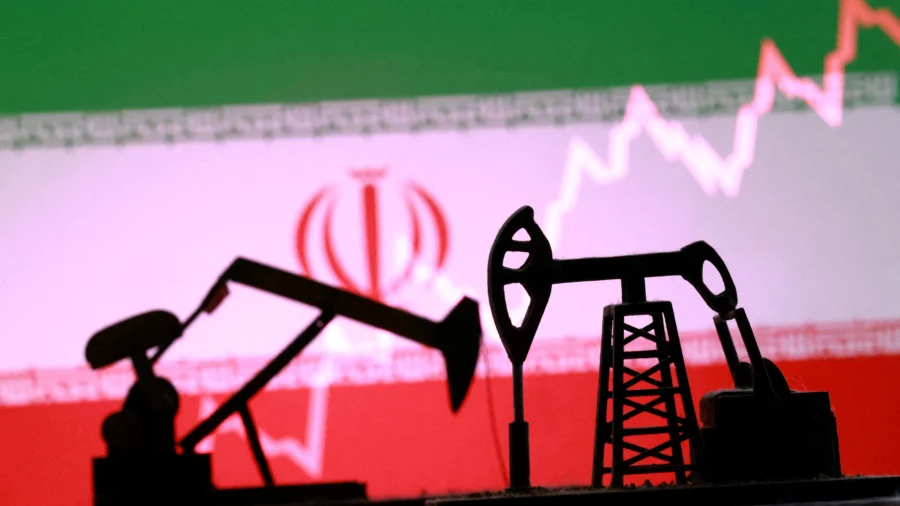
The United States has issued a 30-day sanctions waiver to allow the sale of Iranian crude oil and petroleum products that are currently stranded at sea, U.S. Treasury Secretary Scott Bessent said on March 20.
Bessent wrote on X that the United States issued the license “to maximize the flow of energy to the world” and keep oil prices down amid the ongoing conflict with Iran.
“By temporarily unlocking this existing supply for the world, the United States will quickly bring approximately 140 million barrels of oil to global markets, expanding the amount of worldwide energy and helping to relieve the temporary pressures on supply caused by Iran,” he stated.
“In essence, we will be using the Iranian barrels against Tehran to keep the price down as we continue Operation Epic Fury.”
Bessent said the 30-day sanctions waiver is strictly limited to Iranian oil that is already in transit and does not allow new purchases or production, noting that U.S. pressure on Iran remains unchanged.
He said “Iran will have difficulty accessing any revenue generated and the United States will continue to maintain maximum pressure on Iran and its ability to access the international financial system.”
Bessent added that Washington sought to bring around 440 million extra barrels of oil into the global market amid the shipping disruptions caused by the ongoing war with Iran.
Shipping through the Strait of Hormuz, one of the world’s most critical energy chokepoints, has been disrupted since the United States and Israel began military operations against Iran at the end of February.
Iran has retaliated by firing missiles and drones at Israel and U.S. military assets and targets across Gulf nations.
The president also said that assistance from other countries is necessary to ensure safe passage in the Strait of Hormuz after the United States departs.
“The Hormuz Strait will have to be guarded and policed, as necessary, by other Nations who use it—The United States does not!” Trump wrote. “If asked, we will help these Countries in their Hormuz efforts, but it shouldn’t be necessary once Iran’s threat is eradicated.”