


The short-term measure will not offer a “significant financial benefit” to Moscow, as the license only “authorizes transactions involving oil already standardized at sea.”
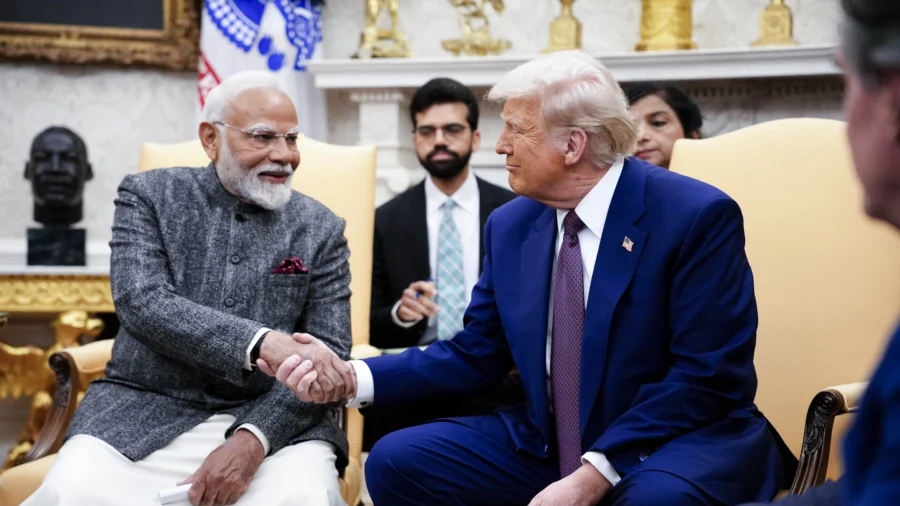
“India is an essential partner of the United States, and we fully anticipate that New Delhi will ramp up purchases of U.S. oil. This stop-gap measure will alleviate pressure caused by Iran’s attempt to take global energy hostage,” Treasury Secretary Scott Bessent said in a March 5 statement.
The shift comes as global energy markets have been riled due to the conflict in Iran, sending oil prices to their highest levels in about a year.
A barrel of West Texas Intermediate—a benchmark for U.S. oil prices—surged more than 8 percent to settle at $81 on the New York Mercantile Exchange. Brent, the international measure, also advanced 8 percent to more than $85 per barrel.
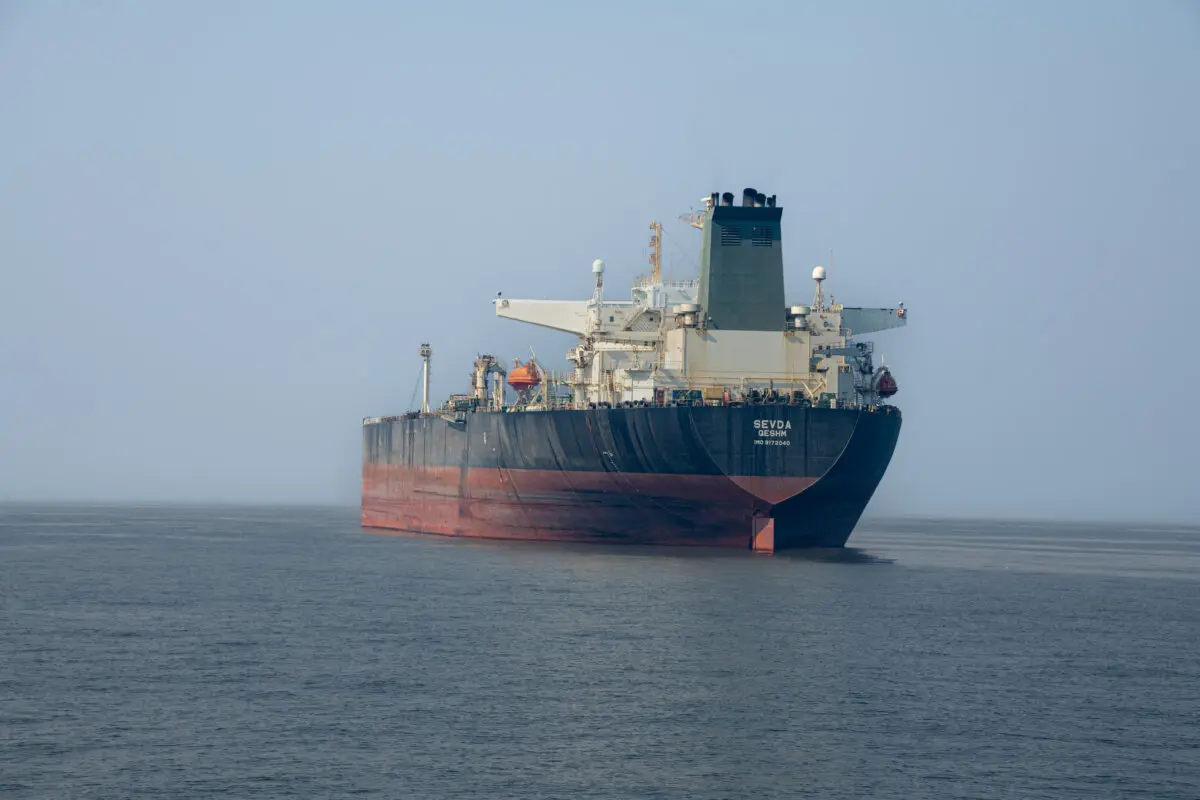
Investors fear that a prolonged conflict in the Middle East could continue to impact the Strait of Hormuz, a key global chokepoint for oil and gas trade. An estimated 20 million barrels of crude and petroleum products traverse the narrow waterway each day.
Stabilizing Global Oil Markets
To mitigate the sharp increase in crude prices, the administration has unveiled various strategies.“No matter what, the United States will ensure the free flow of energy to the world. The United States’ economic and military might is the greatest on Earth," Trump said.
The administration did not present a timeline as to when the strait would be safe for commercial shipping again.
“I don’t want to commit to a timeline, but certainly it’s something that is being calculated actively by both the Department of War and the Department of Energy,” White House press secretary Karoline Leavitt told reporters during a press briefing on March 4.
When asked about reports speculating the administration could intervene in the oil futures market, Interior Secretary Doug Burgum was coy about what other actions U.S. officials could take.
During the Inter Miami CF event, Trump teased that additional measures would be coming.
“Further action to reduce pressure on oil is imminent, and the oil seems to have pretty much stabilized,” the president said. “We had it very low, but I had to take this little detour if it’s OK with everybody.”
After the latest announcement, U.S. crude prices fell almost 3 percent to below $79 a barrel, while Brent declined more than 2 percent to around $83 per barrel during after-hours trading.