


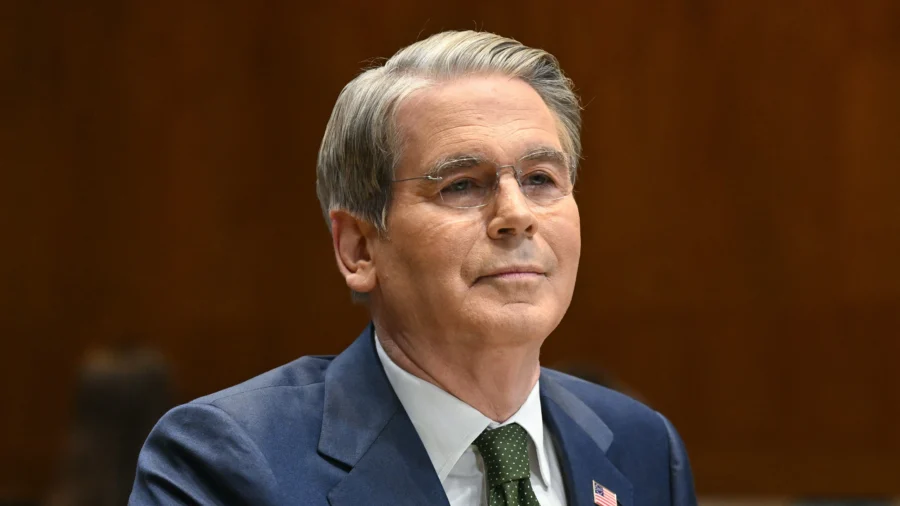
Treasury Secretary Scott Bessent announced the measure on Monday as part of a broader framework aimed at advancing peace.
Under the memorandum of understanding signed last week between Washington and Tehran, the United States agreed to grant waivers allowing the export of Iranian crude oil, petroleum products, derivatives, and related services, including banking, insurance, and transportation activities.
Transactions authorized in the general license include importation of Iranian-origin crude oil, petrochemical and petroleum products to the United States.
The authorization, however, does not cover transactions involving North Korea or Cuba, two countries subject to extensive U.S. sanctions.
The license was issued Monday after Vice President JD Vance touted the latest talks.
He also said the discussions created a “good foundation” for a final deal. Negotiators continue to work toward securing a permanent end to the conflict.
According to Vance, talks also addressed security issues including the Strait of Hormuz. Iran effectively shut down the strait after U.S. and Israeli strikes on Feb. 28, sending fuel prices soaring well beyond the region.
According to data and analytics firm Kpler, there were 71 confirmed transits through the strait over the weekend, with a peak of 35 crossings on Saturday. 100 to 130 vessels passed through the strait each day before the war.
Negotiators in Switzerland also addressed a deconfliction arrangement connected to the Lebanon conflict.
Meanwhile, Secretary of State Marco Rubio will travel this week to the United Arab Emirates, Kuwait, and Bahrain to discuss the latest developments in Iran, according to the State Department on Monday.