


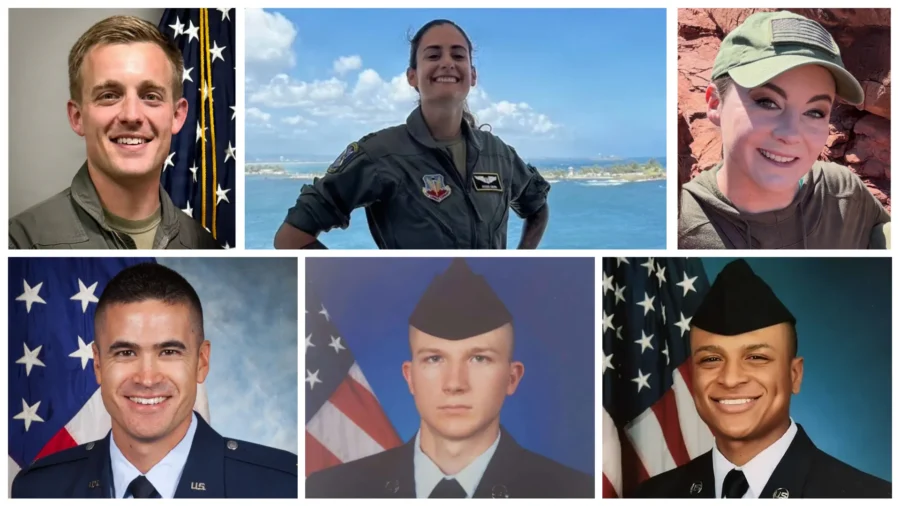
They were a pilot who had just pinned on his major's rank, a boom operator who had nearly 900 combat flight hours, a captain who had only recently earned her wings, and three Ohio National Guardsmen who answered their state and country's call from a base in Columbus.
New Father a Week Into Deployment
Klinner had been promoted just two months before the crash, on Jan. 1, according to his official Air Force biography. He had been deployed for less than a week when the aircraft went down, said his brother-in-law, James Harrill of Atlanta.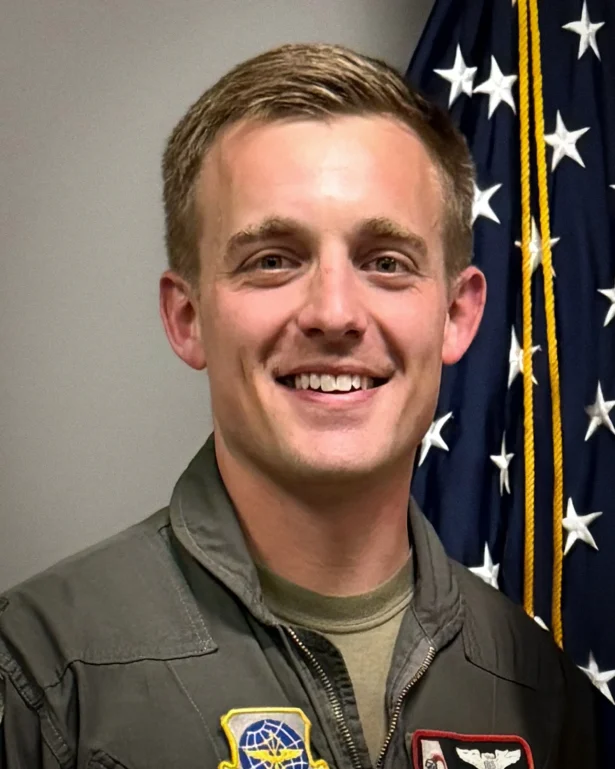
Klinner came up through Auburn University's ROTC program and completed pilot training in November 2018. He flew 2,085 hours across a career that included four deployments in support of operations in Europe, the Middle East, and Latin America. As chief of squadron standardizations and evaluations at the 99th Air Refueling Squadron at Sumpter Smith Joint National Guard Base in Birmingham, Alabama, he was responsible for ensuring 34 aircrew members maintained required proficiency and safety standards.
He left behind his wife, Libby, and three young children—7-month-old twins and a 2-year-old son.
"He was literally one of the most kindest, giving people," Harrill said. The last time he saw Alex, at a family wedding in January, Klinner had quietly shoveled Harrill's car out of the snow without being asked. "Alex was one of those guys that had this steady command about him."
Libby Klinner, in an Instagram post, wrote that her heart was broken for their children, who will grow up without their father.
"They won't get to see firsthand the way he would jump up to help in any way he could," she wrote. "They won't see how goofy and funny he was. They won't witness his selflessness, the way he thought about everyone else before himself. They won't get to feel the deep love he had for them."
A Light in the Room
Tech. Sgt. Ashley Pruitt entered the Air Force in May 2017 and built nearly a decade of service into a career defined by skill and leadership. By the time of her death, she had logged 2,749 flight hours and 888 combat flight hours across four deployments, according to her Air Force biography.She was a boom operator instructor and assistant flight chief of operations at the 99th Air Refueling Squadron—a role in which she trained other aircrew on air refueling procedures while overseeing readiness and flight operations.

Her husband, Gregory Pruitt, described her in a single word.
"In a word, radiant," he said in an interview. "If there was a light in the room, she was it."
A Pilot Who Earned Her Wings Just Months Before Deployment
Capt. Ariana Savino's path to the KC-135 cockpit began when she initially commissioned in the Air Force in 2017 through ROTC at Central Washington University as a Combat Systems Officer, flying on the E-8C Joint Surveillance Target Attack Radar System before later attending undergraduate pilot training. She only earned her wings in May 2025, according to her own biography, making her deployment under Operation Epic Fury one of her first as a KC-135 pilot.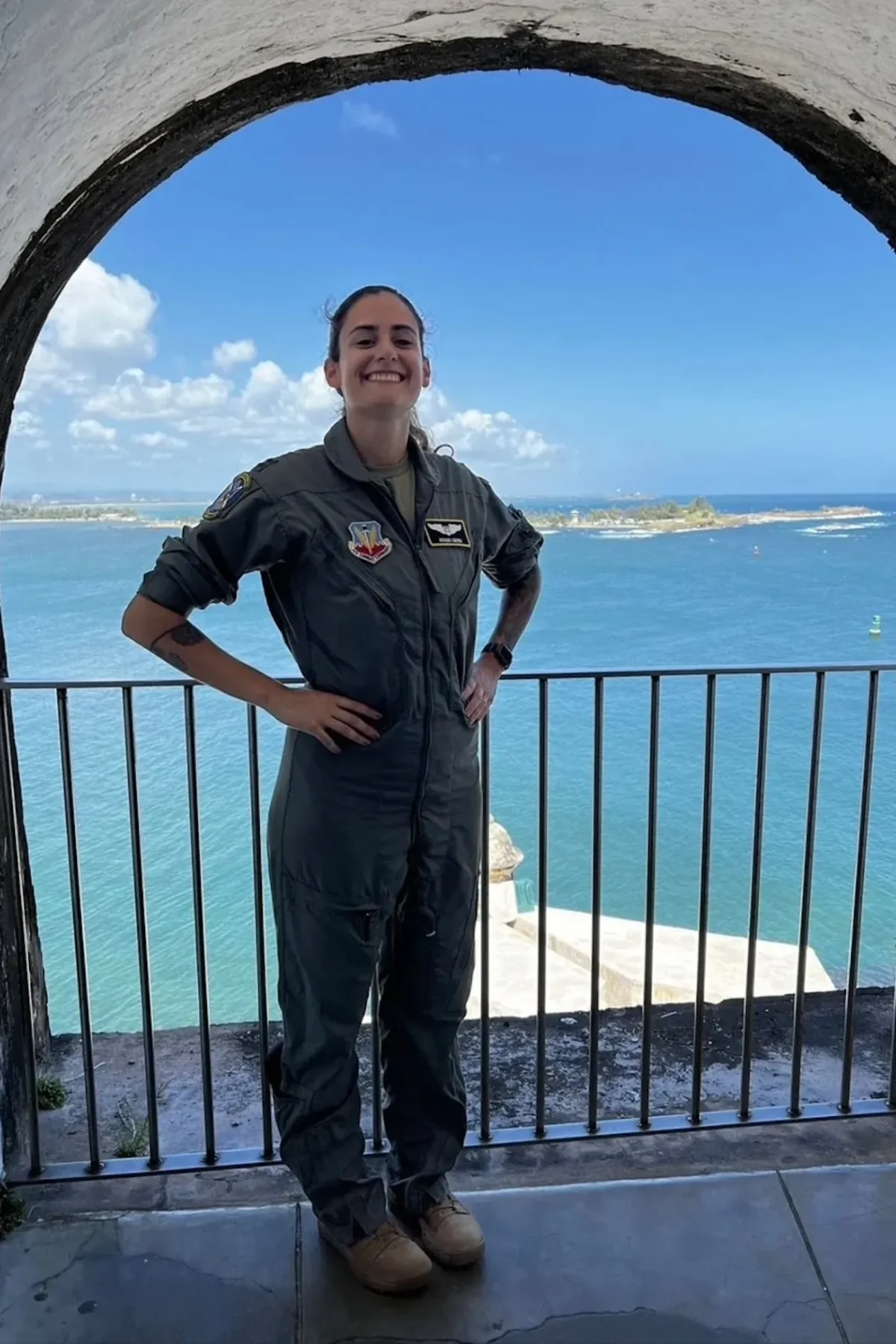
By the time of her death, she had accumulated 1,296 hours as a combat systems operator and 122 hours as a pilot, flying 348 total combat hours across two deployments. She served as the chief of current operations for the 99th Air Refueling Squadron, managing the unit's $21 million flying hour program and daily flight scheduling.
Community in Grief
Maj. Gen. Matthew S. Woodruff, the Ohio adjutant general, called the three fallen Columbus-based airmen "remarkable Airmen whose service and commitment embodied the very best of our Ohio National Guard. Their impact on their teammates and our mission will not be forgotten."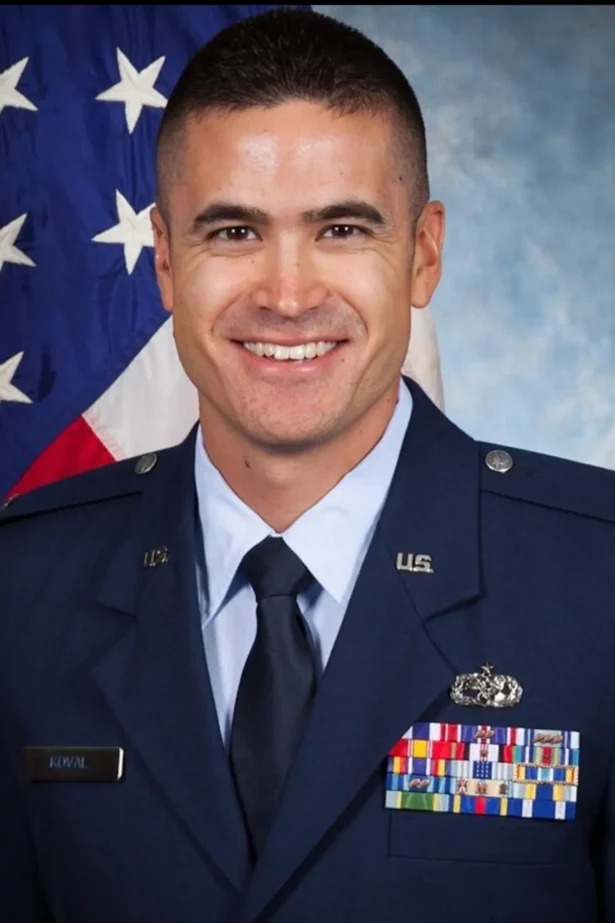
Capt. Curtis Angst, 30, brought an aerospace engineering degree from the University of Cincinnati into a decade of military service. He flew 880 total hours, including 67 combat hours, as a KC-135 pilot with the 166th Air Refueling Squadron and was promoted to captain in November 2025.
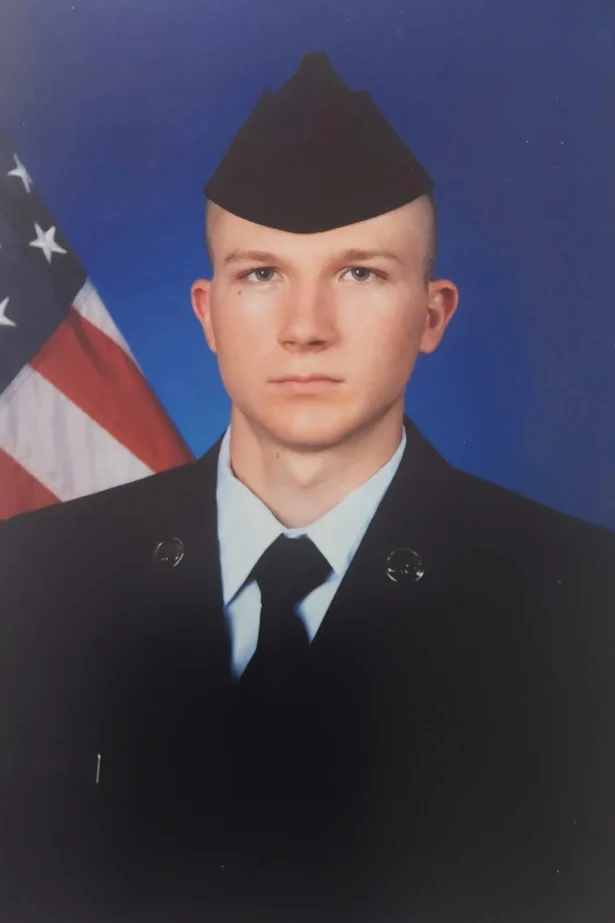
Tech. Sgt. Tyler Simmons, 28, grew up in Columbus, where he was a standout football player and track athlete at Eastmoor Academy High School. His former track coach, Ty Erskine, remembered him as a magnetic presence. "He was always the energy of the room, the energy on the bus," Erskine said.
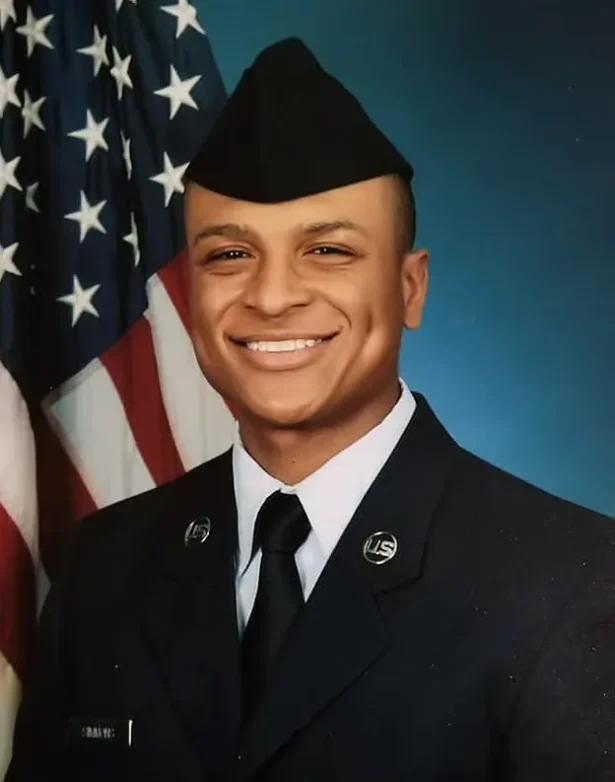
"Tyler's smile could light up any room, his strong presence would fill it," his family said in a statement. "His parents, grandparents, family and friends are grief stricken for the loss of life."
The KC-135 Stratotanker, which has been in service for more than six decades, is primarily used to refuel other aircraft in midair, extending their operational range. It can also be used to evacuate wounded personnel and conduct surveillance. As of 2025, the Air Force operated 376 KC-135s—151 on active duty, 163 in the Air National Guard, and 62 in the Air Force Reserve, according to the Congressional Research Service.
MacDill Air Force Base said in its statement that it would honor the fallen every day. "Team MacDill will ensure their sacrifices and service to our nation are never forgotten," Szczepanik wrote.