


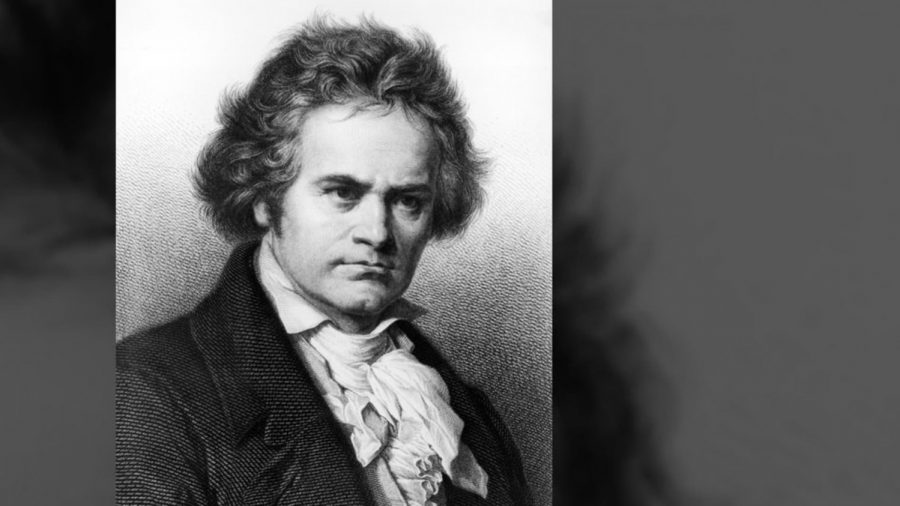
Ludwig van Beethoven is widely regarded for his musical compositions, but he's also known for his signature gray waves.
And you could soon be the proud owner of a lock of the legendary German composer's hair.
The collectible is going up for auction on June 11, with its worth estimated at between about $15,000 and $19,000. The hair is part of Sotheby's Important Manuscripts, Continental Books and Music sale.
The lock of hair, which Sotheby's says is "indisputably human," is secured with a silk thread and comes in a 19th-century glazed oval frame.

The Backstory
Snipping off a few strands of hair to give to someone was not an unusual practice during the 18th and 19th centuries.However, when Beethoven's contemporary Anton Halm requested some of the composer's hair in 1826 to give as a gift to his wife, he didn't get the real deal at first, according to Sotheby's.
Halm had asked a mutual friend, violinist Karl Holz, to retrieve Beethoven's hair. But Holz came back with some goat hair instead.
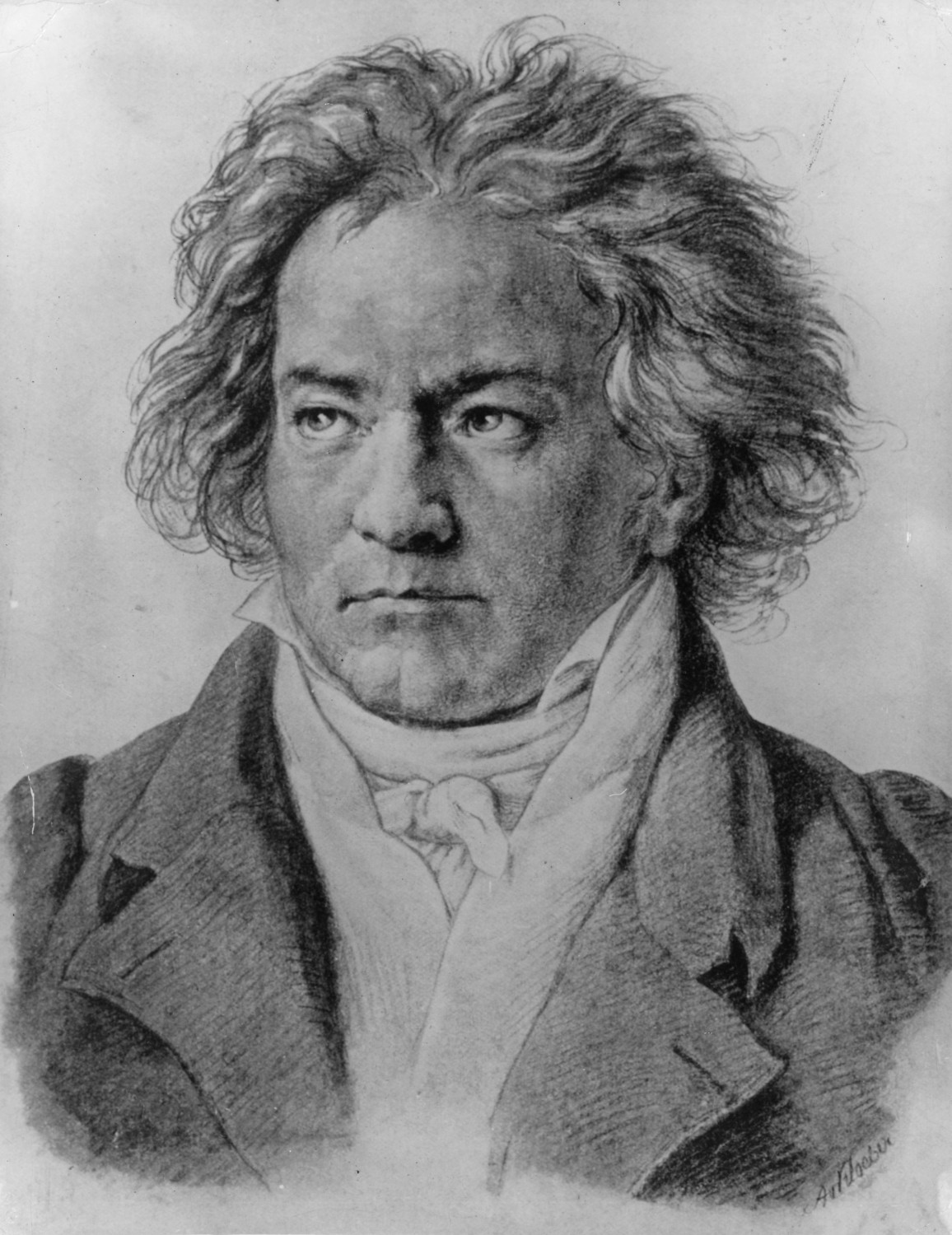
When Beethoven learned of this, he chopped off some of his luscious locks and gave them to Halm himself. The strands were kept in the Halm family for years and eventually given to a pupil of Halm, a pianist and composer who met Beethoven in 1815 and played for him frequently, Sotheby's said.
This isn't the first time Beethoven's hair has been up for sale.
Another Lock of Hair of Beethoven Auctioned in 1994
The lock of hair auctioned in 1994, according to Beethoven Center of San Jose State University, was originally cut off on the day when Beethoven died in 1827:"The original provenance of the lock of hair is clear from an inscription written on the back of the frame of the locket: 'This hair was cut off of Beethoven's corpse by my father, Dr. Ferdinand v. Hiller, on the day after Ludwig van Beethoven's death, that is, on March 27, 1827, and was given to me as a birthday present in Cologne on May 1, 1883. Paul Hiller [English translation].'
"Ferdinand Hiller was a German conductor and teacher who traveled to Vienna in 1827 at the age of 15 to visit the dying Beethoven. Hiller later wrote down details of two of his visits (March 13 and 20), including the fact that during the March 20 visit Beethoven whispered, 'I rather think I shall soon be setting out on the upward journey.'
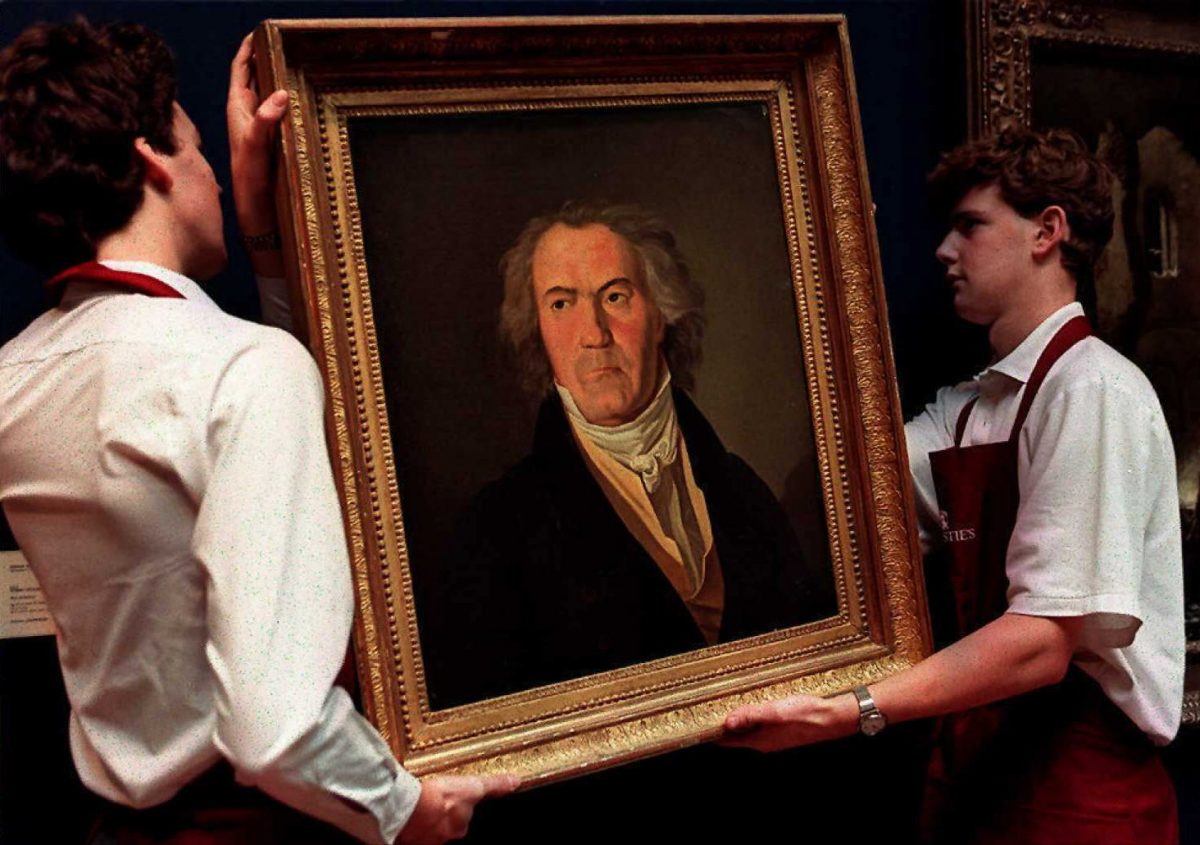
"The lock of hair stayed in the Hiller family until sometime in the 20th century. It next surfaced in 1943 when it was given to a Danish doctor named Kay Alexander Fremming as payment for providing medical treatment for Jews trying to escape from the Nazis.
Film About Beethoven's Hair
There is a film in 2005 about Beethoven's hair, produced for Canadian television by Rhombus Media.