


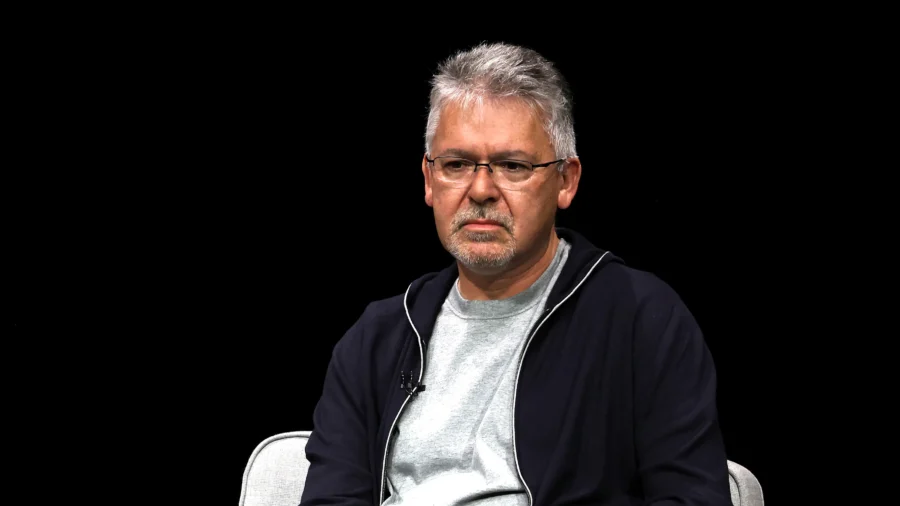
Giannandrea was with the Cupertino, California-based tech giant for nearly eight years and played a key role in its AI and machine learning strategy, but recently endured criticism over delayed AI development.
Apple failed to deliver on its promise of an improved intelligent assistant Siri, resulting in multiple delays and lawsuits, and led to an internal reorganization earlier this year.
AI researcher Amar Subramanya has been named to replace the outgoing senior vice president for machine learning and AI strategy at the company. He will report to Craig Federighi, Apple’s senior vice president of software engineering.
Subramanya was hired as vice president of AI and will lead the company’s Apple Foundation Models, machine learning research, and AI safety and evaluation, according to Apple.
Other projects now headed by Giannandrea will shift to Chief Operating Officer Sabih Khan and Senior Vice President of Services Eddy Cue.
Before Apple, Subramanya served as corporate vice president of AI at Microsoft. He also spent 16 years at Google, where he was head of engineering for Google’s Gemini Assistant.
Apple believes his expertise in AI and machine learning research, and in integrating the research into products and features, will be important to its ongoing innovation and future Apple Intelligence features.
Cook noted Federighi’s team is leading an effort to bring a more personalized Siri to users by next year.
“This moment marks an exciting new chapter as Apple strengthens its commitment to shaping the future of AI for users everywhere,” the company stated.
Apple’s leadership changes come at a time when AI talent wars are heating up. Tech companies are competing to retain and poach top engineers and researchers with multimillion-dollar incentives.
The PC and printer maker said in its November earnings report that it planned to cut its workforce by 4,000 to 6,000 over the next three years. The reductions will save the company an estimated $1 billion by the end of fiscal year 2028.
HP CEO Enrique Lores said the job cuts were part of the company’s move toward an AI-driven focus to improve customer satisfaction and boost productivity.