


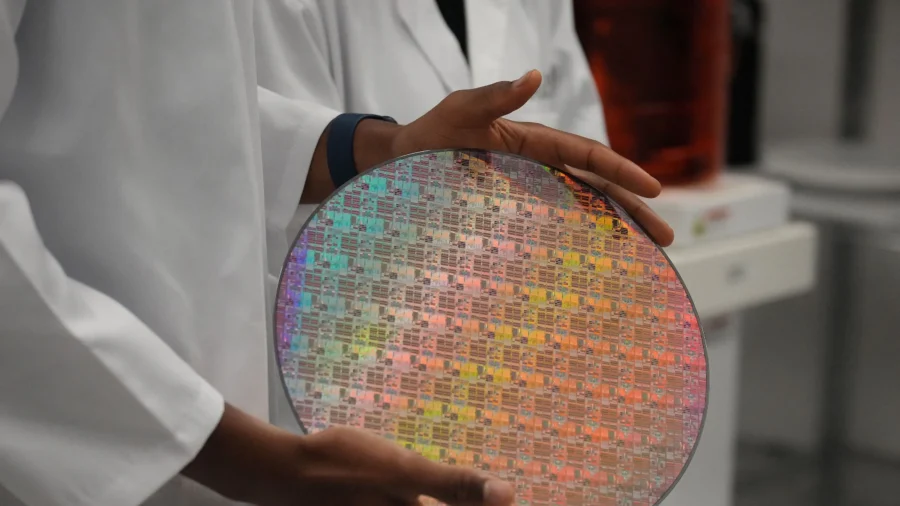
Applied Materials, one of the nation’s largest producers of semiconductor-manufacturing equipment, gave the green light this week to a plan to reduce its global workforce by about 4 percent, affecting some 1,400 employees.
As a result of the layoffs, Applied Materials expects to incur expenses of $160 million–$180 million for payment of severance and other employee termination benefits. Most of these charges will be handled during the fourth quarter of fiscal 2025 and the first quarter of fiscal 2026.
“With this in mind, we have been focused for some time on building high-velocity, high-productivity teams, adopting new technologies and simplifying organizational structures,” CEO Gary Dickerson said in the emailed memo.
“We are making good progress towards an Applied Materials that is better positioned to scale effectively, deliver for our customers, and create rewarding opportunities for employees.”
The company has already started notifying those employees who will be impacted.
“Our goal is to continue to transform how we work, move faster, simplify decision-making, and focus on what matters most as we prepare Applied Materials for significant growth in the coming years,” Dickerson said.
These two firms are just part of the growing number of corporations investing in automation practices.
That trend, according to Federal Reserve board member Christopher Waller, has so far been concentrated among larger firms, which are adopting AI more rapidly than small businesses.
“AI is basically like that kid in college who had access to all the old exams and study guides. Of course they’re going to crush the test compared to someone scrambling with incomplete notes from a few lectures,” the report states. “That’s exactly what’s happening in the job market.”
According to its report, software development is experiencing the biggest impact, as AI tools have the ability to study codes and write programs. About 75 percent of developers now use AI assistants. Customer support is another area ripe for AI takeover, due to a wealth of available data. With its heavy reliance on algorithmic trading, the finance industry is also not immune to automation.
On the other side, sectors where AI is unlikely to have a prevalence include health care, construction, and education, owing to “hands-on” applications.
Founded in 1967, Applied Materials is the second-largest supplier of semiconductor equipment in the world. It produces equipment, services, and software for the manufacture of semiconductor chips for electronics, solar products, and flat panel displays for televisions, computers, and smartphones.