


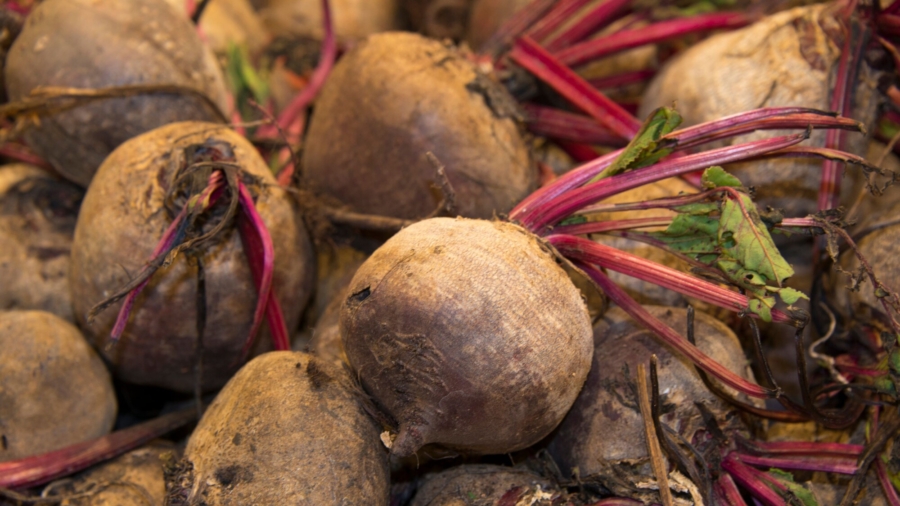
The health benefits of the lowly beetroot prove that, once again, Mother Nature has a natural option in staving off high blood pressure and other maladies.
The author of the British beetroot study, University of Exeter professor Anni Vanhatalo, explained in the magazine article that beetroots offer significant health benefits due to their rich nitrate and betalain content. The presence of these nutrients has been proven to provide antioxidant, anti-inflammatory, and "vascular-positive effects."
"We know that a nitrate-rich diet has health benefits, and older people produce less of their own nitric oxide as they age," Vanhatalo said. "They also tend to have higher blood pressure, which can be linked to cardiovascular complications like heart attack and stroke."
This root vegetable, it should be noted, has been found worldwide, planted everywhere from the ancient Mediterranean to former President George Washington's Virginia home at Mount Vernon.
Vanhatalo noted that people who do not like beetroot can also consume alternative vegetables rich in nitrates, including kale, spinach, fennel, and celery.
The scientific article explained that the older group had higher average blood pressure at the start of the study, which fell after taking the nitrate-rich beetroot juice, but not after taking the placebo supplement.
Good Bacteria Increase
The University of Exeter beetroot study also revealed that the oral microbiome—good bacteria in the mouth—changed significantly for both young and old, but particularly for the older test subjects.The study's findings proved encouraging to study co-author University of Exeter Medical School professor Andy Jones, who said, "This study shows that nitrate-rich foods alter the oral microbiome in a way that could result in less inflammation, as well as a lowering of blood pressure in older people."
Jones concluded that the Exeter study proves that a more expansive study should be conducted in order to determine how lifestyle and gender are impacted by dietary nitrate supplementation like that found in beetroots.