


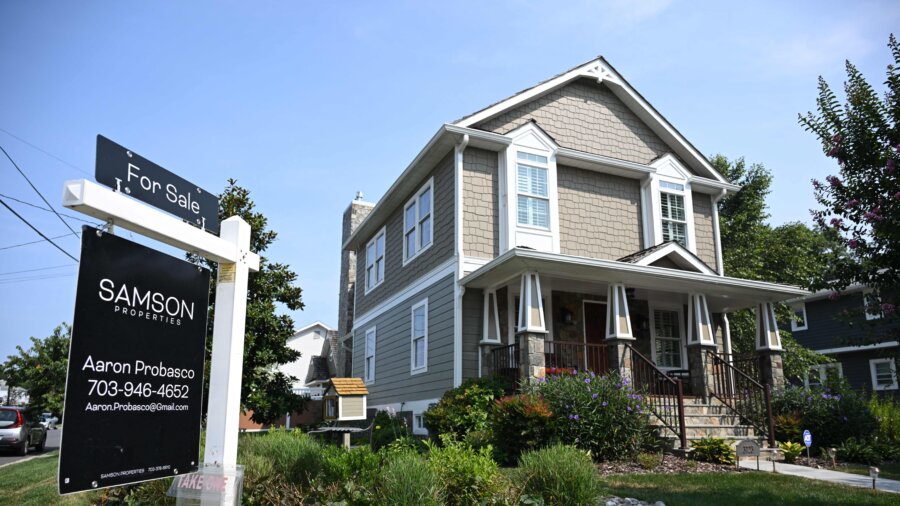
When a consumer who is in their fifth decade buys a home, financial experts say it’s often not about maximizing square footage.
Instead, in many cases, it’s about quality of life, financial stability, generational living, or passing on property to descendants.
“Many over 50 buyers prioritize one-level living, low maintenance, and proximity to healthcare or amenities,” Missouri Valley Homes owner Yancy Forsythe told NTD.
One level living refers to a dwelling space in which no stairs are needed because the kitchen, bathrooms, bedrooms and living room are all on the first floor while generational living is when two generations or more of related adults live under one roof.
That's because home buyers who are over 50 years old have often built equity, saved well, and have strong credit profiles, according to LBC Mortgage founder and CEO Alex Shekhtman.
"With the right lender and guidance, there are plenty of loan options that can work—even well into retirement," Shekhtman told NTD.
Echo Fine Properties broker and CEO Jeff Lichtenstein attributes the rise in older buyers to homes being unaffordable for younger people.
"The rate of appreciation in homes coupled with younger people having more college debt compared to older generations along with younger people not having as much dollars in the stock market means they have missed out in generating wealth," Lichtenstein told NTD. "Young people are concentrating on saving."
There are downsides to the trend of older buyers, according to TurboTenant.com marketing vice president Harrison Stevens.
For one thing, being over the age of 50 years old is close to retirement.
“Potentially, buying a home after 50 years old might mean bringing mortgage debt into retirement,” Stevens told NTD.
"If they are not working and income is not coming through, than a new mortgage could cause hardship," Lichtenstein added.
Another drawback is how lenders view prospective borrowers when their income is not from a monthly salary, according to Florida realtor and Lexawise founder Alexei Morgado.
“I have noticed lenders thinking differently,” Morgado told NTD. “Most older Americans have good savings, investments, or pensions, but they do not all understand how to present this information in a bank-friendly format. This typically makes an approval hard when it should be straightforward.”
Shekhtman advises being prepared to demonstrate to lenders a consistent cash flow whether it's with Social Security benefits, a pension, or investments.
"Lenders care more about fixed income, assets, and retirement account distributions if you're not working anymore," Shekhtman added.