


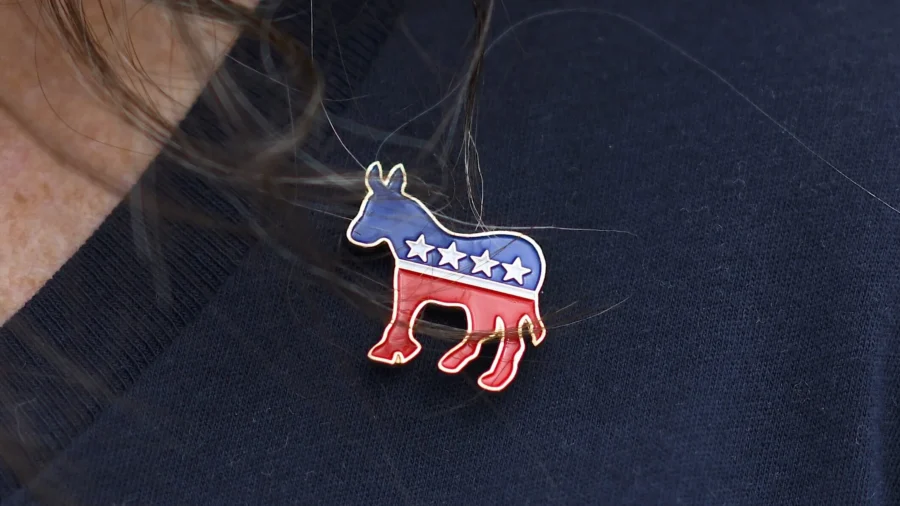
Democratic strategist James Carville is urging his party to base its 2026 midterm message on what he calls “pure economic rage,” arguing that rising costs, not the recent government shutdown, will drive voters next year.
In the essay, he points to victories by Zohran Mamdani, Abigail Spanberger, Mikie Sherrill and down-ballot Georgia Democrats in this month’s elections, saying they “all won with soaring margins because the people are pissed. And the people always point their anger at the party in charge.”
In his essay, Carville tied those results directly to voter frustration over costs. He writes that rent is “out of control,” that young people “can’t afford homes or pay student debt,” and that the country is living through “the greatest economic inequality since the Roaring Twenties.”
He blames the president for failing to deliver on his 2024 affordability message, which helped him defeat then-Vice President Kamala Harris.
“The people are revolting, and they have been for some time,” he said of the economy.
“This offers Democrats the greatest gift you can have in American politics: a second chance,” he wrote.
“I am now an 81-year-old man and I know that in the minds of many, I carry the torch from a so-called centrist political era. Yet it is abundantly clear even to me that the Democratic Party must now run on the most populist economic platform since the Great Depression,” Carville said. “It is time for Democrats to embrace a sweeping, aggressive, unvarnished, unapologetic and altogether unmistakable platform of pure economic rage. This is our only way out of the abyss.”
“Republicans don’t talk about ... the word affordability. And the Democrats lie about it,” he said.
“The thing that I ask from the American people is a little bit of patience,” Vance said, adding that there will be an “economic boom, which we really do believe is coming.”
Carville went on to argue Democrats are likely to continue turning out urban and suburban voters who regularly vote, as they did in the 2018 and 2022 midterms, but said the party must also chip away at Republican strength in rural areas by focusing on costs such as housing, utilities, and groceries for younger rural voters.
Carville also urges Democrats to distance themselves from what he calls “the era of performative woke politics from 2020 to 2024,” which he says “has left a lasting stain on our brand, particularly with rural voters and male voters.”
According to Carville, polling shows “nearly 70 percent of Americans think the Democratic Party is ‘out of touch’ and that it is more interested in social issues than economic ones.”
“We can no longer be a party with a whiff of moral absolutism,” Carville wrote. “We can correct this only by looking toward the future, always, in every situation possible, and pivoting to a form of economic rage as our response.”
He pairs that argument with a set of specific proposals. These include raising the minimum wage to $20 an hour, offering free public college tuition, expanding rural broadband as a public utility, and universal childcare. He noted that the childcare part was a large part of Mamdani’s mayoral campaign.
“If you’re a student of history, the French Revolution is in the American wind,” Carville wrote, warning that “the few are getting vastly richer while a crushing tide drowns the many.”
He closed by urging Democrats to change course as Trump and Republicans remain committed to what he calls a fragile economic model: “This can change. It’s time we as a party do, too.”