

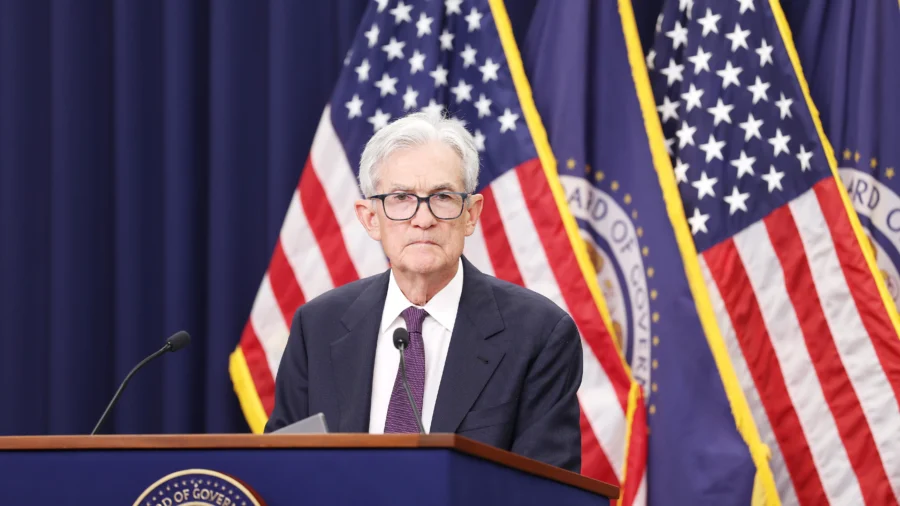
Outgoing Federal Reserve Chair Jerome Powell said on April 29 that he will continue to serve on the Board of Governors “for a period of time to be determined.”
His term as chair expires on May 15, but Powell's tenure as governor does not end until 2028.
Powell, speaking to reporters at the post-meeting press conference, said that he feels he has "no choice" but to remain at the central bank due to the legal actions taken against him this year.
“I had long planned to be retiring,” he said. “The things that have happened really in the last three months have, I think, left me no choice but to stay until I see them through at least that long.”
Jeanine Pirro, the top federal prosecutor in the District of Columbia, stated that she could reopen the criminal probe if the facts warrant it.
This past weekend, the Department of Justice offered assurances that it would not restart the investigation "unless there's a criminal referral from the Fed's Inspector General," Powell said.
"Absent such a referral, if they do appeal the recent court decision, they would not seek as part of that appeal to restart the investigation or send new subpoenas," he told the press.
“I’ve said that I will not leave the board until this investigation is well and truly over with transparency and finality, and I stand by that,” Powell said. “I’m encouraged by recent developments, and I’m watching the remaining steps in this process carefully.”
He also criticized the administration for its “unprecedented” actions taken against the century-old institution, saying that these measures are harming the central bank’s ability to craft monetary policy without political interference.
President Donald Trump recently threatened to fire Powell if he did not step down and stated that the investigation should continue.
Trump described the central bank chief’s handling of the construction project, which is approximately $600 million over budget, as “corrupt” or “incompetent.”
Fed Governor Stephen Miran supported a quarter-point rate cut. The three other dissenting votes—Cleveland Fed President Beth Hammack, Minneapolis Fed President Neel Kashkari, and Dallas Fed President Lorie Logan—agreed to leave rates unchanged, but “did not support the inclusion of an easing bias in the statement at this time.”
Praise for Kevin Warsh
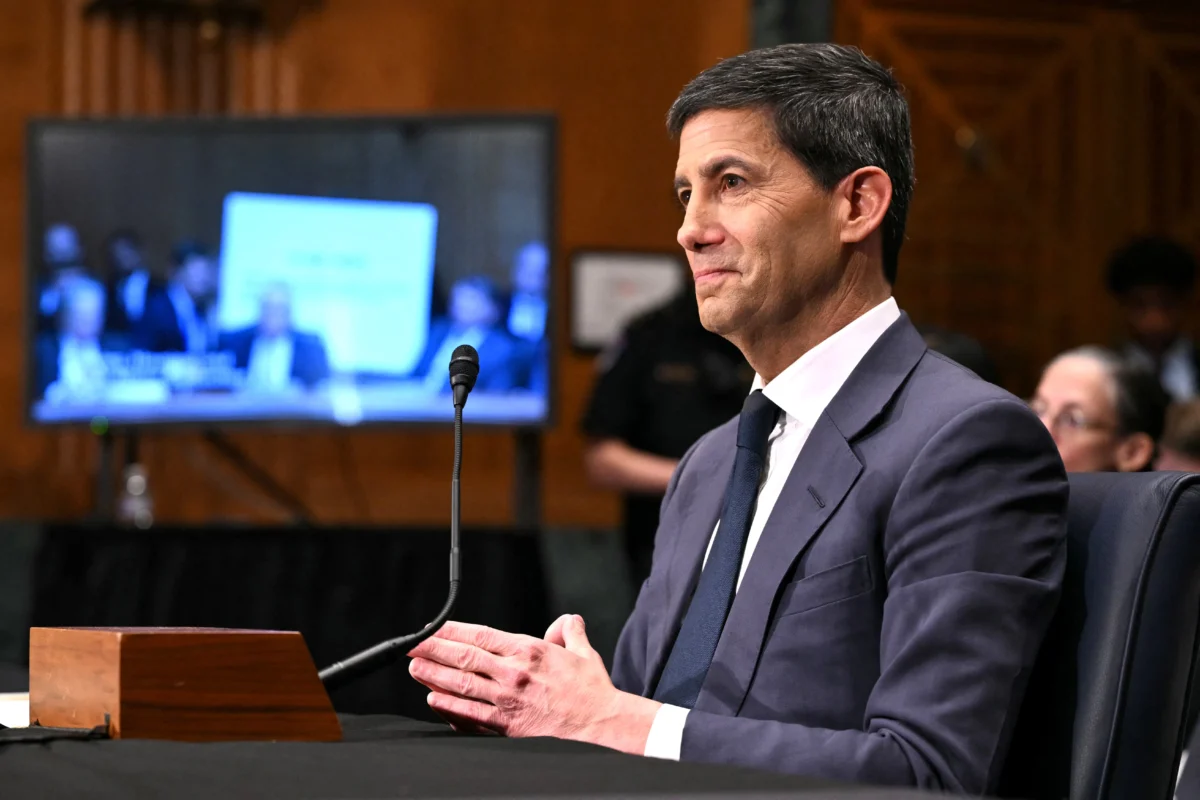
In his opening remarks at his likely final post-meeting press conference as chair, Powell offered praise for Kevin Warsh, the president's nominee to lead the Federal Reserve.Powell stated that he believes Warsh will adhere to the Fed’s main principles and wished him well.
“The Federal Reserve exists for one fundamental purpose, to foster the economic conditions in which American families and businesses can thrive, stable prices, a strong job market and a financial system they can depend on,” Powell said.
“Every decision we make, whether about interest rates or regulatory and supervisory matters or other issues, is made in service of that purpose.”
Warsh’s path to confirmation cleared a key hurdle after the Senate Banking Committee voted along party lines—13 Republicans to 11 Democrats—to send his nomination for a full floor vote.
While a final vote has not been scheduled, it will likely happen before the next two-day Federal Open Market Committee policy meeting on June 16 and 17.
Powell agrees that Warsh will stand up to political pressure and ensure the Fed remains independent.
“He testified very strongly to that effect in his hearing, and I’ll take him at his word,” Powell said.
He also dismissed suggestions that he would be a "shadow chair" long after his term as head of the central bank ends.
“That’s just something I would never do, the shadow chair thing,” he said.
“I’m going back to being a governor. I respect the role of chair," Powell continued. "I have real sympathy for how hard it is to get that group to consensus. And I always felt like, I don’t want to add to that unnecessarily.”