


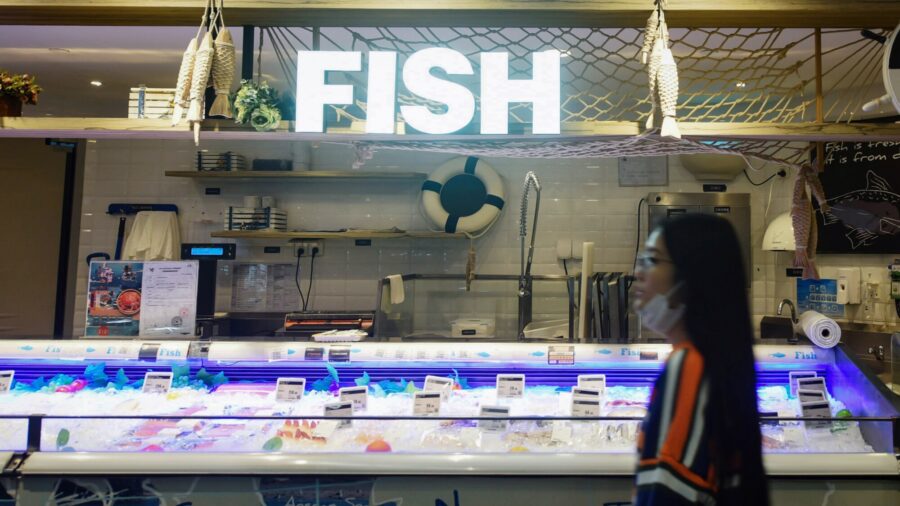
The news of "positive nucleic acid tests on imported food packaging" have appeared on mainland Chinese media frequently this month.
State-approved "experts" quoted by the media have given different opinions on the risk of contracting the virus from imported goods, causing confusion and panic among the people and huge losses for import businesses.
Contradictory Expert Opinions
However, Chinese experts have contradictory opinions as to whether people can be infected by any virus particles on imported products.Last week, Zhang Wenhong, director of the Department of Infectious Diseases at Huashan Hospital, which is affiliated to Fudan University, said in an interview with state-run CCTV that, in terms of probability, "If someone bought something imported from abroad and became infected by it, so far, no such case has occurred.
He added that the CCP virus does not spread through the digestive tract, and that human stomach acid is strong enough to kill it. So far, no diseases that cause respiratory infections through the digestive tract have been identified.
But last December, Zhong Nanshan, China’s top virologist, kept suggesting the CCP virus might have been transmitted from imported goods.
Businesses Suffer Losses
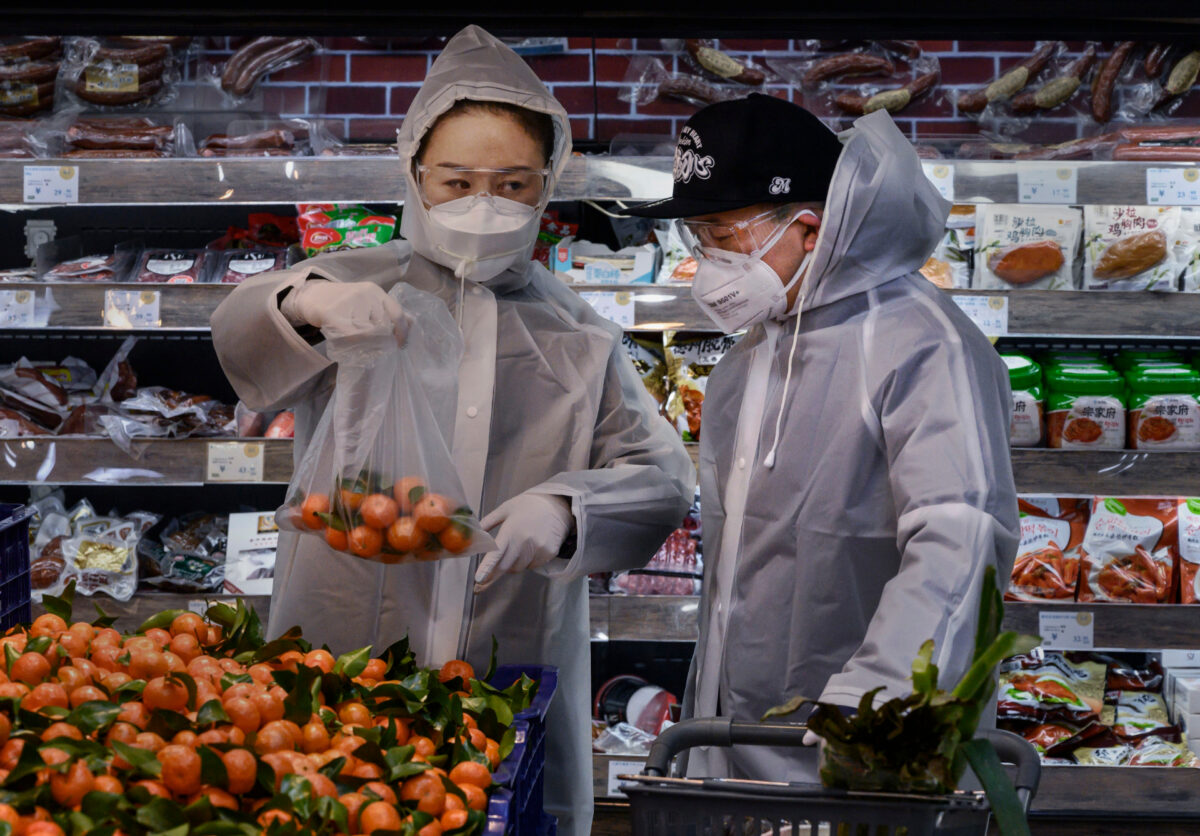
Given contradicting expert opinions coupled with repeated headlines in mainland media that imported products have tested positive for the CCP virus, many Chinese people are now refusing to buy imported products to avoid any risk of contracting the virus, causing huge losses to import businesses.The fruit wholesale market in Jiaxing usually sells cherries for 60 to 160 yuan ($9 to $ 24) per kilo. Now, the cherries earn shop owners no more than 16 yuan ($2.4) per kilo. Kunming merchants have also said that the price for cherries for them has dropped to 20 yuan ($3) per kilo and they're still hard to sell.
The public caution has put pressure on businesses who had already stocked up with imported goods for the upcoming Chinese New Year.
Virus Testing Disrupting Global Cold Chain Operations
The CCP’s practice of testing imported foods and other commodities has not only affected Chinese businesses but also disrupted global cold chain operations, with cargo ships waiting in long queues at major Chinese ports for testing.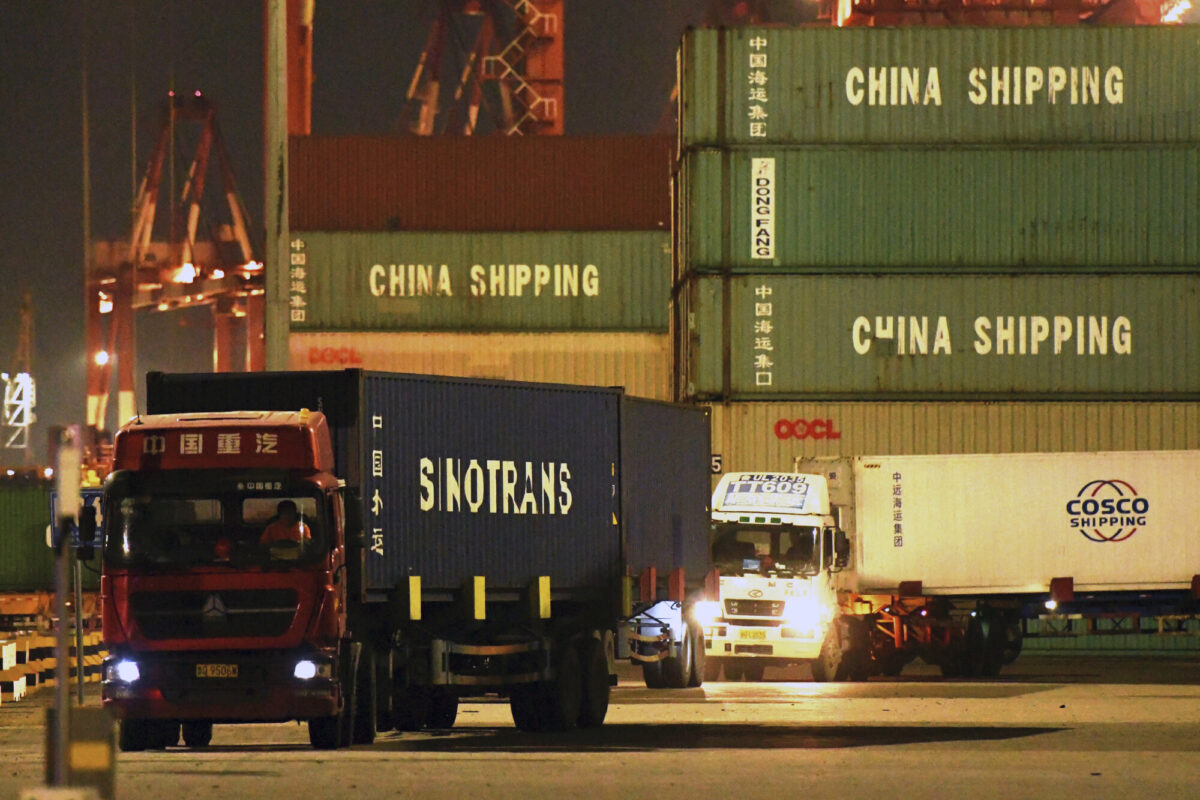
And it’s not just within China that shipping movements have been affected.
According to Philip Gray, an analyst at maritime consultant Drewry, Russian vessels filled with seafood heading to Dalian and Qingdao have had to be re-directed to South Korea’s Busan, raising the risk that more ports may become congested.
Impacts have been seen in the United States as well, where companies have been left waiting for empty containers to ship their frozen goods over to China and across the Pacific, according to the Bloomberg report.
The report warned U.S. exporters that there may be further increases in supply chain costs in the near future as a result of the disruptions.