


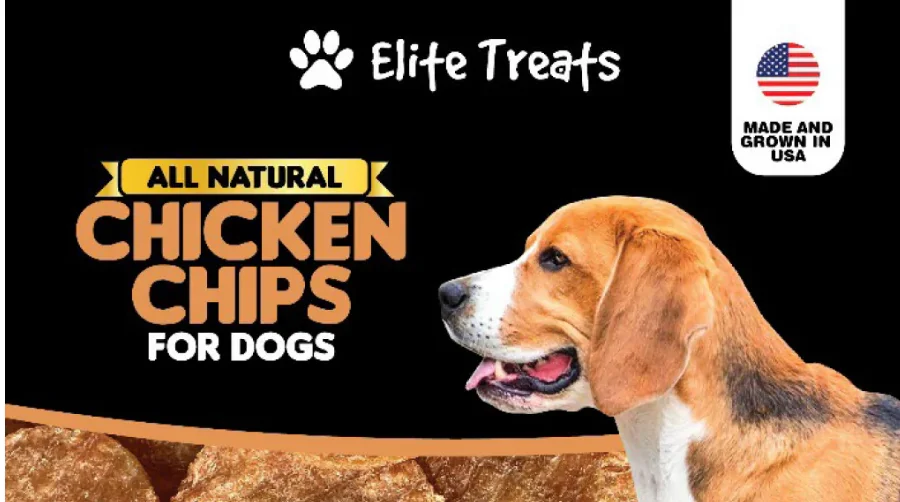
The U.S. Food and Drug Administration (FDA) announced the voluntary recall of pet treats sold in five states this week.
The snack is packaged in 6-ounce black and gold bags with lot number 24045 and an April 2027 expiration date printed on the back.
“The contamination was noted after testing performed by a third-party laboratory identified contamination in a related yet commercially unreleased lot of the same product,” FDA officials said.
The withdrawn product was distributed to Florida Hardware, which sold the impacted product to feed stores in Alabama, Florida, Georgia, North Carolina, and South Carolina.
Elite Treats company leaders did not respond to requests for comment by the time of publication.
While pet food and human food are regulated under different frameworks, Source86 food safety and quality professional Vanessa Balagot said they both require strict preventive controls, sanitation programs, and documented safety systems.
“From a manufacturing and safety standpoint, the expectations around cleanliness, traceability, and monitoring are very similar,” Balagot told NTD. “Recalls don’t automatically mean a company doesn’t care; they mean an issue was detected and action was taken to prevent a bigger risk.”
Salmonella can cause illness in pets eating the treat and people can be exposed as well by handling the contaminated products, having contact with their dogs who have eaten the recalled product, or even contact with surfaces that have touched contaminated food, such as bowls, utensils, or countertops, according to the FDA.
“Risk of human illness from Salmonella contaminated pet food increases if people do not thoroughly wash their hands after handling the food or having contact with their pet, or by not thoroughly cleaning contaminated surfaces,” FDA officials added.
No illnesses have been reported to date.
The FDA urged consumers who purchased packages of Elite Treats Chicken Chips for Dogs to return them for a refund or dispose of them in a way that children, pets, and wildlife cannot access them.
The potential deficiency was brought to the company’s attention after it received a report of illness potentially associated with the product.