


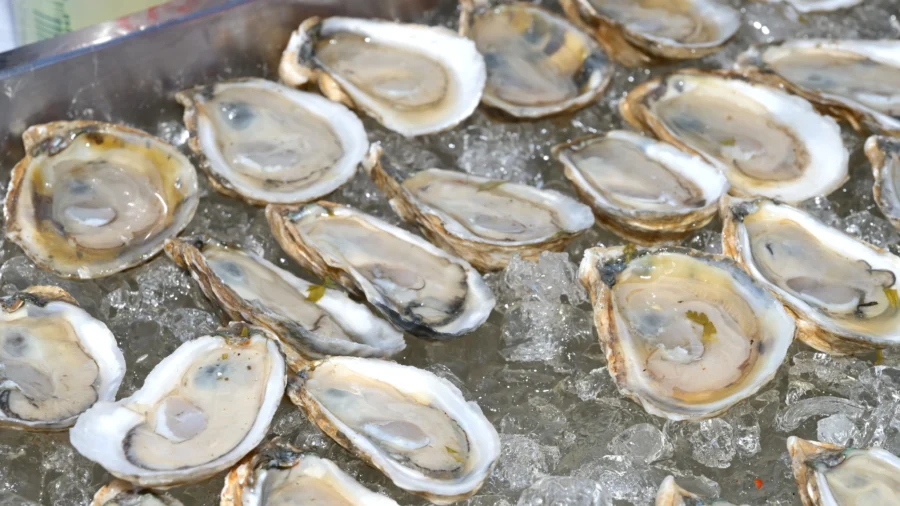
The norovirus can cause serious gastrointestinal illness. However, food contaminated with the virus may look, smell, and taste normal, the FDA said, urging people to take no chances.
The potentially contaminated oysters were harvested between Dec.1 and Dec.9, 2024, and were shipped to distributors and retailers in 15 U.S. states—Arizona, California, Colorado, the District of Columbia, Florida, Georgia, Hawaii, Illinois, Kentucky, Missouri, North Carolina, Nevada, New Jersey, New York and Pennsylvania—the FDA said, adding that these shipments may have been further distributed to other states as well.
- Brand names: Fanny Bay, Buckley Bay, Royal Miyagi Oysters
- Original Harvester/Producer: Pacific Northwest Shellfish and Union Bay Seafood
- Cert. Numbers: BC 740 SP and BC 6001 SP
- Dates of Harvest: 12/01/24 to 12/09/24
- 14-8, Landfile 1413888
- 14-8, Landfile 1402293
- 14-8, Landfile 1402060
- 14-8, Landfile 1402294
- 14-8, Landfile 1409454
- 14-15, Landfile 249854
- 14-8, Landfile 1409240
- 14-8, Landfile 1402193
“Oysters contaminated with norovirus can cause illness if eaten, and potentially severe illness in people with compromised immune systems,” the agency added.
The FDA advisory also includes recommendations for restaurants and retailers to prevent cross-contamination via food processing equipment and the environment.
“Retailers, restaurants, and other food service operators who have processed and packaged any potentially contaminated products need to be concerned about cross-contamination of cutting surfaces and utensils through contact with the potentially contaminated products,” the FDA said.
“Consumers who have symptoms should contact their health care provider to report their symptoms and receive care,” the agency said.
According to the Centers for Disease Control and Prevention (CDC), the norovirus, sometimes called the “stomach flu,” is the leading cause of foodborne illness in the United States.
People of all ages can get infected and sick with norovirus. The most common symptoms of norovirus are diarrhea and vomiting—which may lead to dehydration—nausea, and stomach pain. Other symptoms include fever, headache, and body aches.
A person usually develops symptoms 12 to 48 hours after being exposed to norovirus. Though most people get better within one to three days, they can still spread the virus for a few days after. The CDC therefore recommends to stay home an additional 48 hours after the symptoms have stopped.
Proper handwashing and other simple steps are an efficient way to help prevent the spread of the virus.