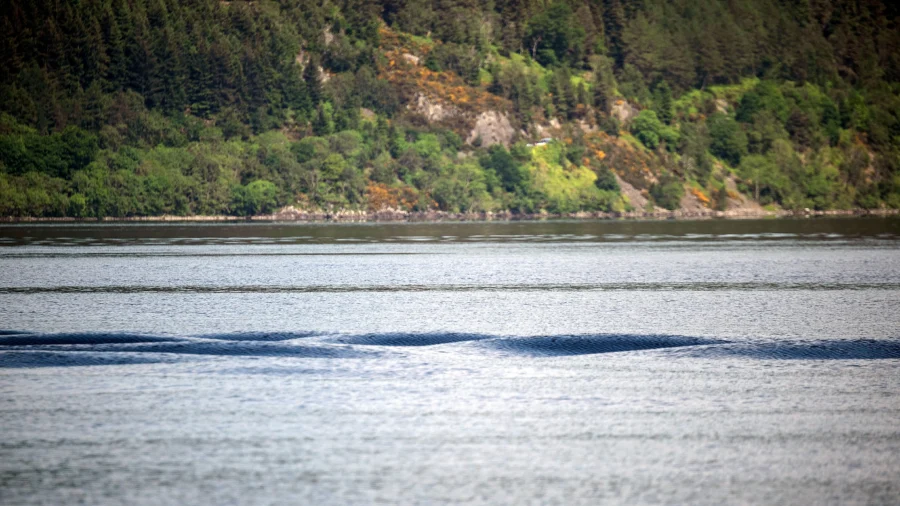
The Loch Ness in the Scottish Highlands on June 1, 2024 (Andy Buchanan/AFP via Getty Images)
On March 5, the Loch Ness Centre in Scotland said the Loch Ness monster was spotted emerging from the depths of the lake near Dores Beach, marking the first sighting of the mysterious creature this year.
“The conditions on the day were ideal for spotting unusual activity, with the water surface perfectly calm and still, offering a clear view of the mysterious occurrence,” the Loch Ness Centre said in a news release.
A witness reported seeing a large, dark mass moving beneath the calm, still waters of the loch. The scene lasted several minutes, according to the unnamed man. After review, the Loch Ness Centre agreed that this was likely the mysterious creature.
Before you chuckle and shrug it off as the imagination of a Scotsman who’s had one too many shots, you should know that the legendary creature has been spotted 1,159 times to date, according to “The Official Loch Ness Monster Sightings Register.”
Though a famous 1934 black-and-white photo of a dinosaur head and neck sticking out of the water—the so-called “surgeon’s photograph”—was revealed to be a hoax by the photographer’s stepson, the mysterious creature had been sighted many times prior, with reports dating back to the 17th and 16th centuries.
In fact, the very first written record of the monster dates back even further—to the Irish monk St. Columba, who is said to have banished a “water beast” to the depths of the River Ness in the 6th century.
“We’ve had numerous observations over the years, but this recent sighting has been particularly captivating,” said Nagina Ishaq, general manager of the Loch Ness Centre. “The conditions on the day of this sighting were absolutely perfect. This could very well be our first significant sighting of the year, further fueling the mystery surrounding Loch Ness and its most famous resident.”
The majority of reportings in recent decades describe similar phenomena: a v-shaped wake appearing in the lake, moving swiftly through the water, while others mentioned seeing a dark hump moving in the water. Some reported seeing a “head and neck” rise from the water, according to the register.
No doubt some people love a good prank, but the enduring nature of the sightings began to draw the attention of more than just tourists and thrill seekers—especially since people kept sending in photos, and more recently webcam footage, showing inexplicable wakes and dark shapes moving just underneath the surface, and the occasional black dot protruding from the middle of the lake.
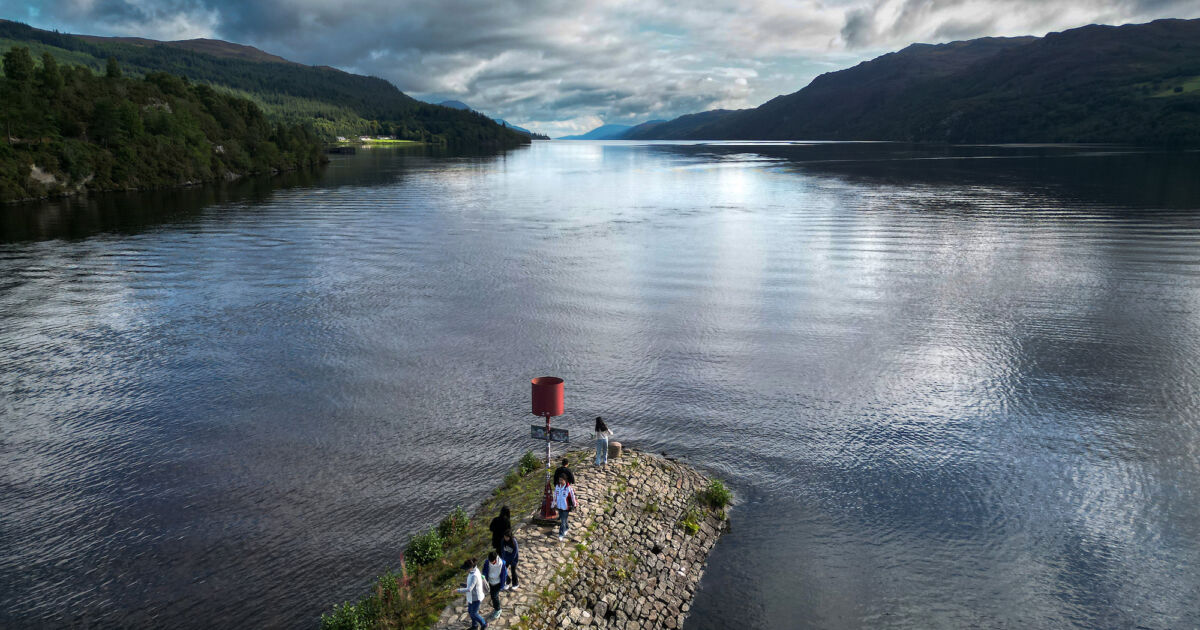
A general view of Loch Ness ahead of what was described as the biggest search for the Loch Ness Monster since the early 1970s, on Aug. 25, 2023. Jeff J Mitchell/Getty Images
In 2018, an international team of scientists descended into the icy depths of Loch Ness to collect DNA samples, hoping to find a clue about the nature of “Nessie,” the name given to the alleged monster. Their investigation ruled out the presence of dinosaurs, but a surprising abundance of eel DNA led the team to conclude that the Loch Ness monster could very well be a giant eel.
Whether this is a satisfactory explanation is up for debate: The European eels (Anguilla anguilla) that live in freshwater typically don’t grow much larger than 5 feet. Most eel species are saltwater creatures, however, with the largest species measuring no greater than ten feet.
While Loch Ness eventually connects to the North Sea via the River Ness and to the Atlantic via the Caledonian Canal, these larger eel species are not adapted to survive for long in freshwater.
Loch Ness, Scotland’s second largest lake is the greatest in volume due to its unusual depth—788 feet at its deepest point. The lake measures about 23 miles long.