


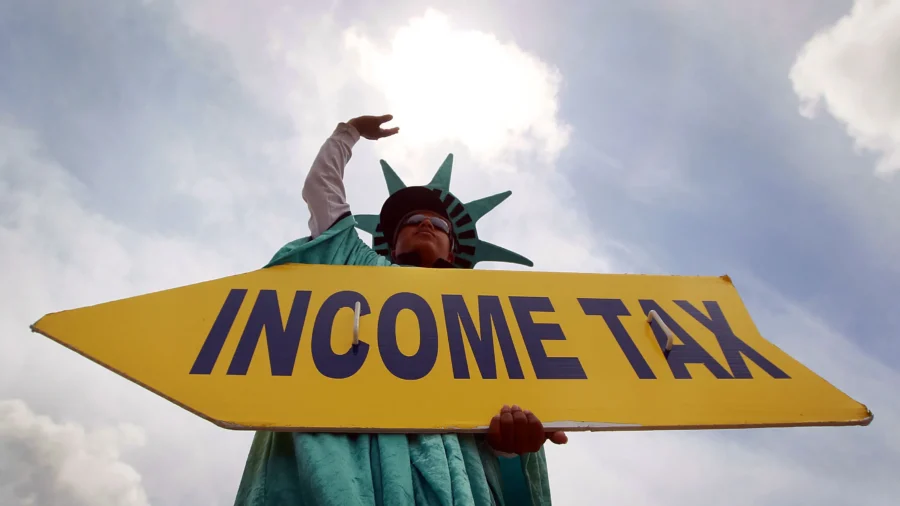
As taxpayers and businesses make decisions about where to live and where to set up shop, state tax codes are often a major consideration. But given the complexity of state laws, comparing those differences isn’t always so easy.
A new ranking of states’ tax competitiveness by the Tax Foundation, a think tank, aims to simplify this task by providing a comprehensive comparison of states’ tax policies and ranking them accordingly.
The right Tax Relief firm makes all the difference, especially if you owe over $10,000 in taxes.
Get the tailored experience that you expect from the tax litigation professionals in your area. Click on your state to get started!
 The states that rank highest in the Tax Foundation’s analysis tend to combine low (or nonexistent) income taxes with relatively low sales taxes and property taxes.
“The absence of a major tax is a common factor among many of the top 10 states,” the Tax Foundation said in a report. “Property taxes and unemployment insurance taxes are levied in every state, but there are several states that do without one or more of the major taxes: the corporate income tax, the individual income tax or the sales tax.”
The three highest-ranking states—Wyoming, South Dakota and Alaska, respectively—all are largely rural and sparsely populated, attributes that contribute to their tax-friendliness. These states have less need for complex infrastructure such as mass transit systems, and lawmakers in these states are motivated to keep taxes low in order to attract economic activity, investment and residents.
In addition to no income taxes, South Dakota and Wyoming have no corporate income taxes, while Alaska has no state sales tax.
The top 10 also includes some more populous states, like Florida (#4) and Texas (#6). In these states, lawmakers have prioritized low taxes, although this comes with certain trade-offs, such as lower spending on government services and benefits.
States higher up the income-tax rankings have low or no income taxes. A state’s sales tax ranking reflects the rates and design; for instance, broad-based sales taxes scores points for neutrality in the Tax Foundation’s formula. Its property tax ranking is calculated based on property taxes paid as a percentage of personal income.
1. Wyoming
- Individual income tax rank: 1st (tie)
- Sales tax rank: 7th
- Property tax rank: 44th
2. South Dakota
- Individual income tax rank: 1st (tie)
- Sales tax rank: 31st
- Property tax rank: 10th
3. Alaska
- Individual income tax rank: 1st (tie)
- Sales tax rank: 5th
- Property tax rank: 30th
4. Florida
- Individual income tax rank: 1st (tie)
- Sales tax rank: 14th
- Property tax rank: 21st
5. Montana
- Individual income tax rank: 10th
- Sales tax rank: 3rd
- Property tax rank: 18th
6. New Hampshire
- Individual income tax rank: 12th
- Sales tax rank: 1st
- Property tax rank: 39th
7. Texas
- Individual income tax rank: 1st (tie)
- Sales tax rank: 36th
- Property tax rank: 40th
8. Tennessee
- Individual income tax rank: 1st (tie)
- Sales tax rank: 47th
- Property tax rank: 33rd
9. North Dakota
- Individual income tax rank: 17th
- Sales tax rank: 15th
- Property tax rank: 4th
10. Indiana
- Individual income tax rank: 16th
- Sales tax rank: 17th
- Property tax rank: 5th
Compare Tax Relief companies today
 |  |  |  |  |
| Rated A+ by the BBB | 12+ years of tax resolution experience | Specialists in tax issues over $20,000 | 21+ years in service | |
| Get Started | Get Started | Get Started | Get Started | Get Started |