


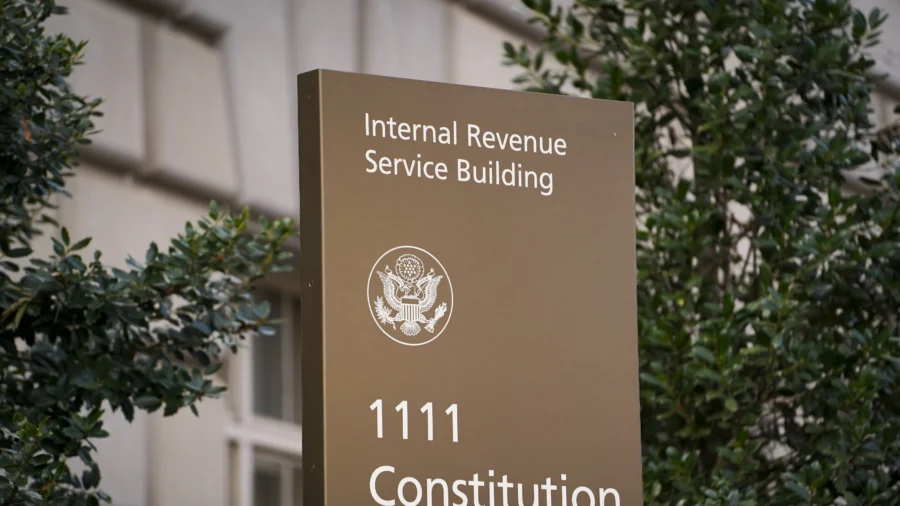
Once the calendar turned to 2025, Americans started receiving tax documents.
Several key dates for taxpayers are approaching as January comes to an end.
First, tax season starts on Monday, Jan. 27, the Internal Revenue Service announced earlier in the month.
Residents of Arizona, California, Florida, Massachusetts, Nevada, New Hampshire, New York, South Dakota, Tennessee, Texas, Washington state, and Wyoming were able to use Direct File in its first year. People living in Alaska, Connecticut, Idaho, Illinois, Kansas, Maine, Maryland, New Jersey, New Mexico, North Carolina, Oregon, Pennsylvania, and Wisconsin will be able to use the program this year.
The tax-filing deadline is, as usual, April 15, for most people. April 15 is a Tuesday this year.
Taxpayers can receive an extension of filing taxes. If they do, taxes do not need to be filed until Oct. 15. The taxes they owe, however, are still due by the April filing deadline.
Americans who paid more in 2024 in taxes than they owe may receive a refund. Most refunds are issued within 21 days, for people who file their taxes electronically. For those who use paper returns, refunds can take more than a month.