


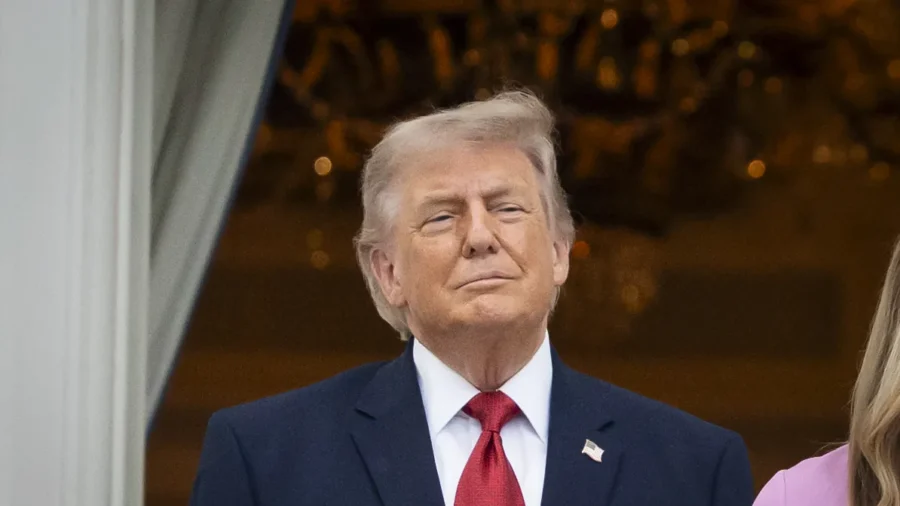
President Donald Trump indicated on May 21 that he planned to intervene in Cuba following the indictment of former communist revolutionary leader Raúl Castro as the United States continues to put economic pressure on the Cuban regime.
Trump said the Caribbean nation was a “failed country” when taking questions during a press conference at the Oval Office.
“Other presidents have looked at this for 50, 60 years doing something, and it looks like I’ll be the one that does it,” Trump said.
The president’s statement comes at a time when the United States has escalated pressure on the communist regime that controls the island of about 10 million people just 90 miles south of the Florida Keys.
Since January, the Trump administration has severely limited oil shipments to Cuba, sparking fuel shortages, power outages, and price increases. The end goal of the policies is to bring about political and economic liberation, including the removal of the current Cuban leader, Miguel Díaz-Canel.
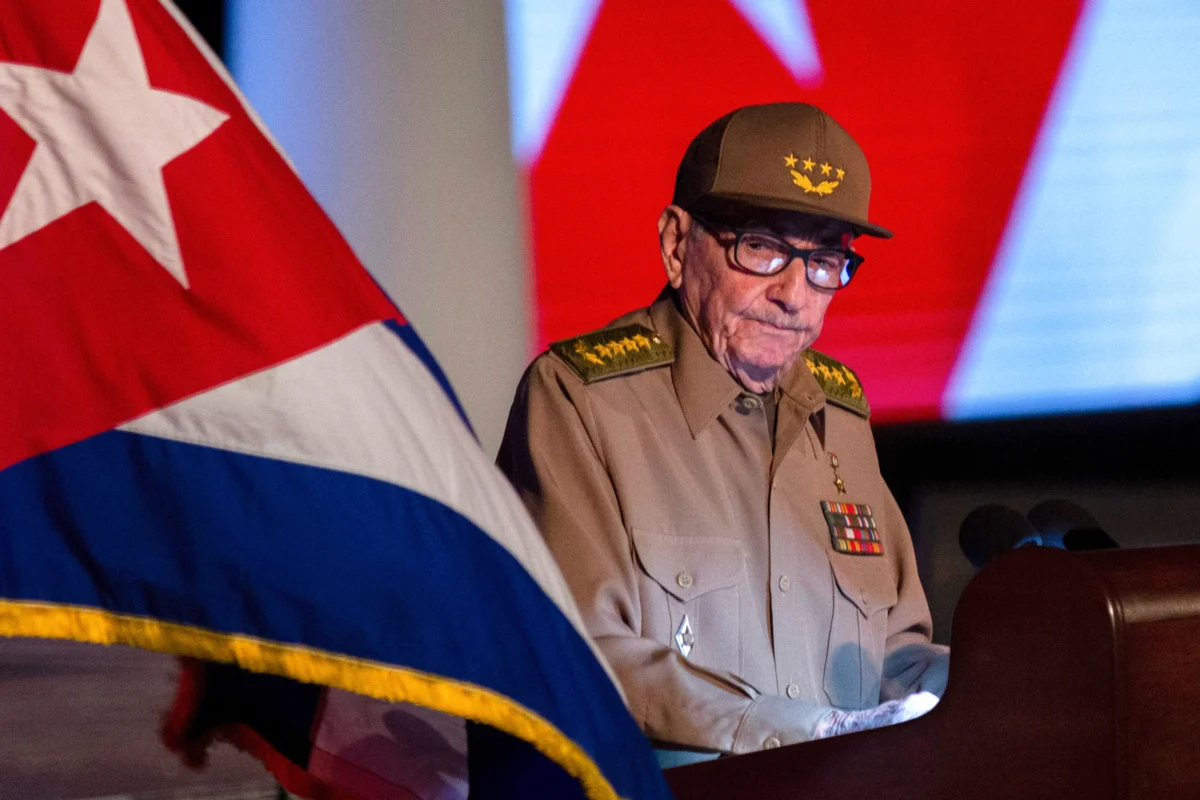
Castro is accused of crimes related to Cuba’s shooting down of two unarmed civilian planes conducting a humanitarian mission rescuing Cubans fleeing the regime in 1996. The shootdown killed three U.S. citizens and one lawful resident.
Cuban military pilots allegedly involved in the incident and Castro’s associates, including Lorenzo Alberto Perez‑Perez, Emilio José Palacio Blanco, José Fidel Gual Barzaga, Raul Simanca Cardenas, and Luis Raul Gonzalez‑Pardo Rodriguez, were also indicted.
If convicted, the defendants face a maximum penalty of death or life imprisonment for the murder and conspiracy to kill U.S. nationals.
U.S. Secretary of State Marco Rubio, whose parents left Cuba before the communist revolution in 1959, left Miami for a NATO foreign ministers meeting in Sweden May 21. He was asked about how the United States planned to arrest Castro and what the administration’s plans were for the country.
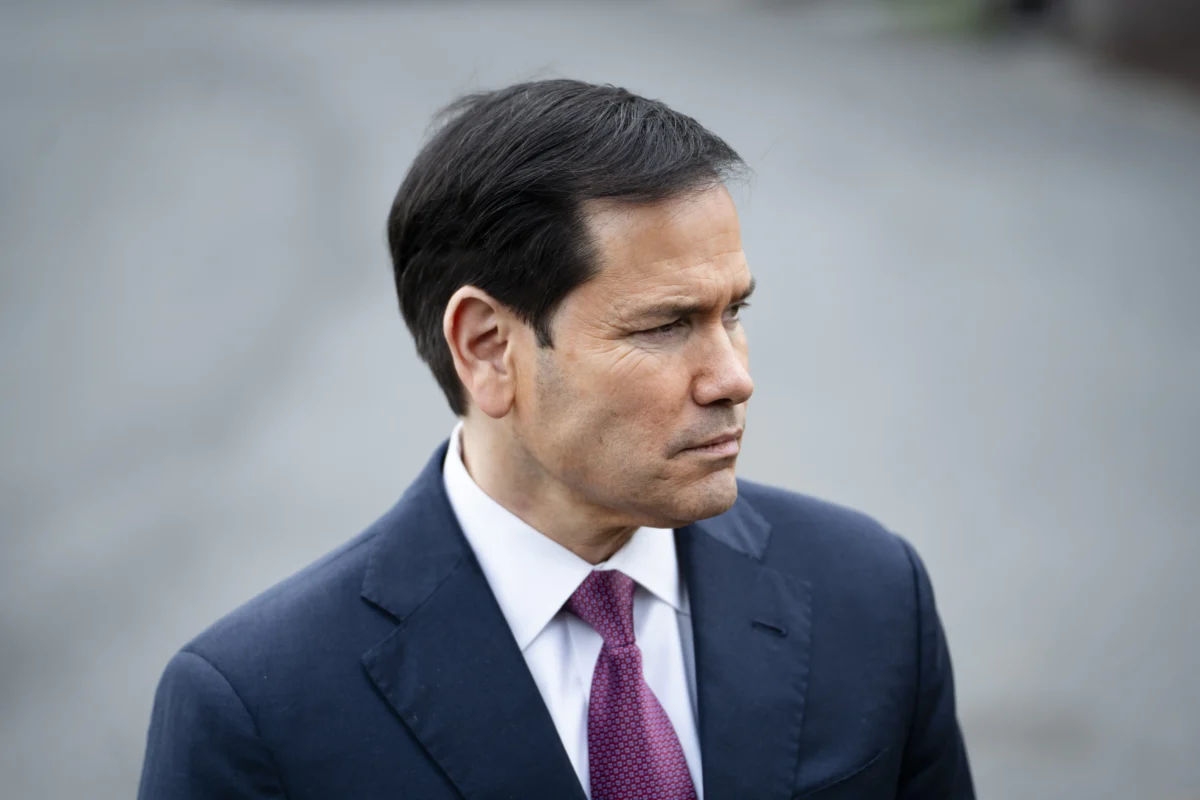
“I’m not going to talk about how we’re going to get him here,” Rubio told reporters on the tarmac. “Our preference in Cuba and anywhere in the world is a negotiated diplomatic settlement. ... That’s always our preference.
“But ... if there’s a threat to the national security of the United States, the president not just has the right, he has the obligation to address that national security threat,” Rubio said.
Rubio also announced the arrest of Adys Lastres Morera, the sister of the executive president of GAESA, a secretive, military-run business megaconglomerate owned by the Cuban Revolutionary Armed Forces. Rubio had terminated her permanent resident status after learning she was managing real estate assets and living in Florida while also aiding Havana's communist regime, he said.
Cuba has always posed a national security threat to the United States and is a leading sponsor of terrorism, Rubio said.
The United States has offered $100 million in humanitarian aid to the people of Cuba while economic sanctions cripple what's left of the nation, but the aid has to be distributed to groups not affiliated with the ruling regime, according to Rubio.