

The world's biggest luxury goods company, LVMH, is buying the 182-year-old U.S.-based Tiffany & Co. for $16.2 billion. It is the biggest acquisition yet for the French luxury goods maker and the third acquisition this year.
The sale has a bid price of $135 per share, which is a 7.5 percent premium over Tiffany’s closing share price on Nov. 22.
Tiffany & Co. was founded by Charles Lewis Tiffany in New York in 1837, a jeweler of fine silver and other luxury goods. Tiffany operates more than 300 stores worldwide and employs more than 13,000 employees.
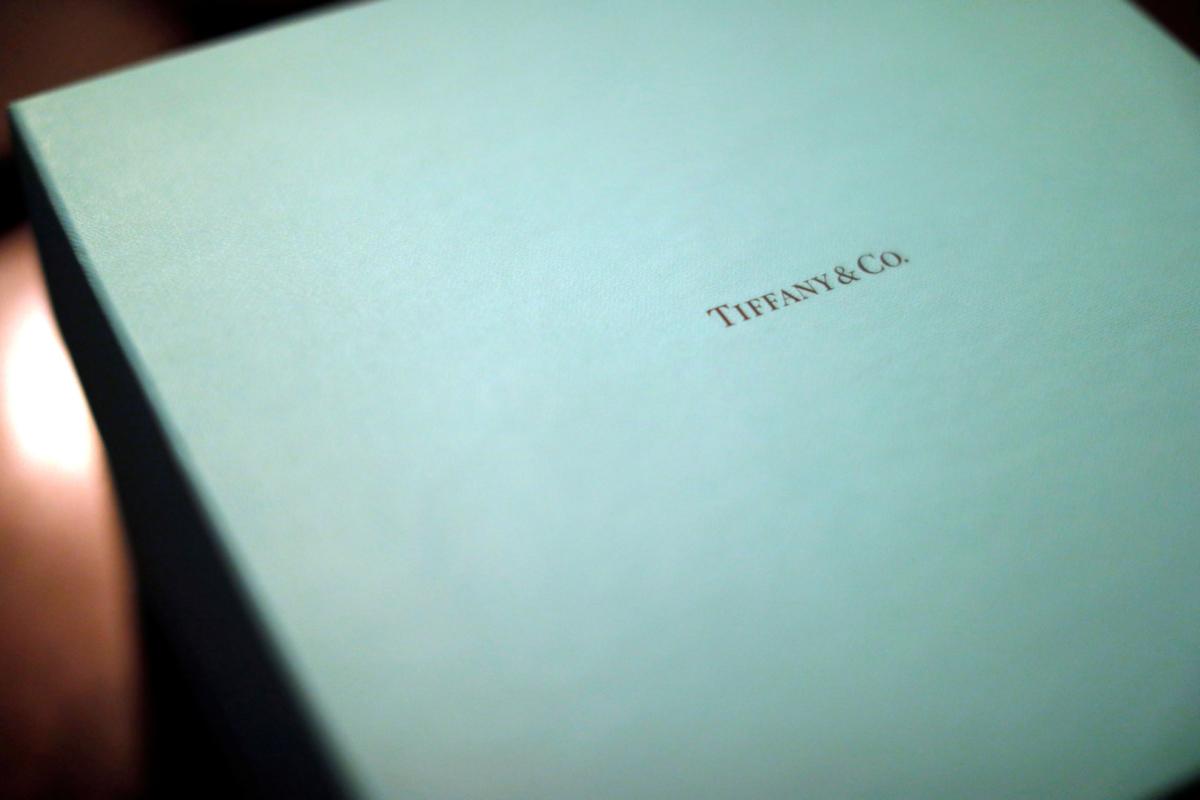
As an American icon, Tiffany is well-known for its signature robin’s egg blue boxes and the company hit global fame after being featured in the 1961 film “Breakfast at Tiffany's” starring Audrey Hepburn.
The brand has resonance as the go-to jeweler of engagement rings, but it has lost its appeal with younger customers in recent years. Tiffany has made attempts to broaden its appeal to younger customers. Last year, actor Elle Fanning was named as the face of their 2018 brand campaign to recreate the ultimate Breakfast At Tiffany’s moment with a modern spin.
LVMH will invest in stores and new collections to rejuvenate the Tiffany brand. “I’m not saying we can do that [with Tiffany], but I think the potential is there.” LVMH's billionaire owner Bernard Arnault told Reuters.
He added that LVMH would build on popular new Tiffany lines such as its more modern “T” jewelry ranges and sees potential for the brand in accessories like scarves.
The purchase tops a series of acquisitions through which Arnault, France’s richest man and the world’s second-richest person, has built up his conglomerate, including fashion brands like Christian Dior, wines and spirits like Hennessy, and beauty retailers like Sephora.
LVMH has 75 brands, 156,000 employees, and more than 4,590 stores worldwide. "We will be proud to have Tiffany sit alongside our iconic brands and look forward to ensuring that Tiffany continues to thrive for centuries to come," Arnault said in a statement.
The jewelry sector was one of the strongest performing areas of the luxury industry in 2018, according to consultancy Bain & Co, which forecasted that comparable sales in the $20 billion global market were expected to grow by 7 percent this year.
The largest luxury goods deal to date gives LVMH a bigger slice of one of the fastest-growing upmarket sectors. LVMH is likely to position the brand at the higher end of the market, which is more profitable.