


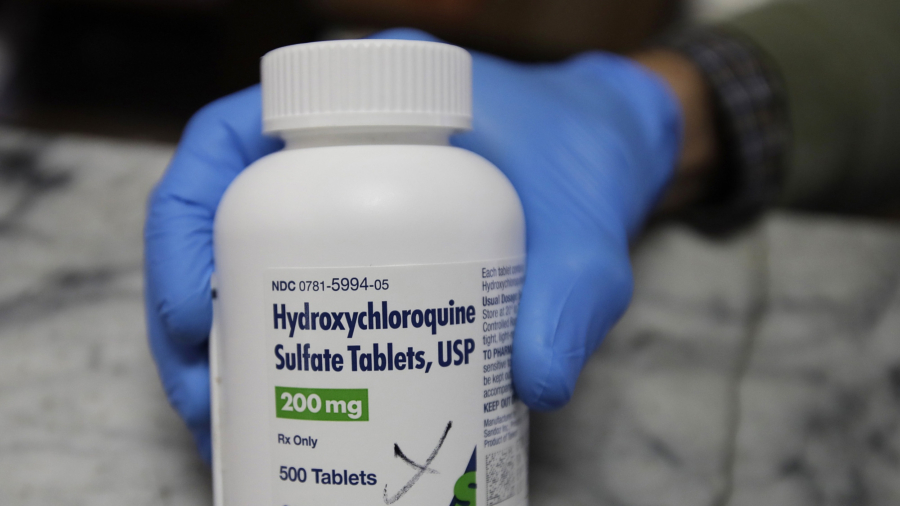
A major journal retracted a study on hydroxychloroquine that attracted worldwide attention, prompting the suspension of multiple trials, after three researchers admitted they couldn't vouch for the data used.
The observational study claimed to include medical records of nearly 100,000 patients who took hydroxychloroquine or the closely related chloroquine. The four researchers said their analysis showed a higher mortality rate in COVID-19 patients who took the drug when compared with those who didn't.
But Surgisphere, a little known Chicago-based company where one of the authors works, refused to share the dataset allegedly containing the records, prompting the other three authors to request a retraction.
"As such, our reviewers were not able to conduct an independent and private peer review and therefore notified us of their withdrawal from the peer-review process."
"Based on this development, we can no longer vouch for the veracity of the primary data sources. Due to this unfortunate development, the authors request that the paper be retracted," they added later.
"We all entered this collaboration to contribute in good faith and at a time of great need during the COVID-19 pandemic. We deeply apologize to you, the editors, and the journal readership for any embarrassment or inconvenience that this may have caused."
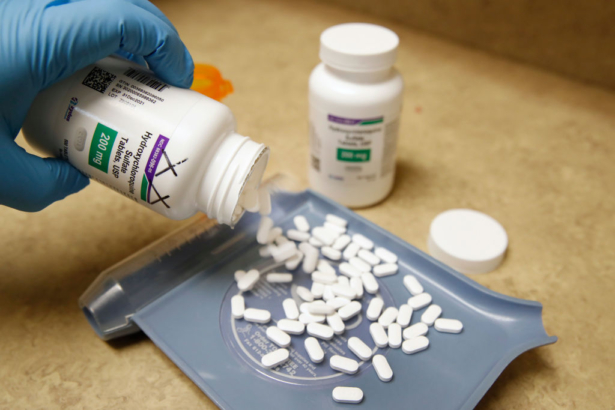
The Lancet said Thursday it "takes issues of scientific integrity extremely seriously, and there are many outstanding questions about Surgisphere and the data that were allegedly included in this study."
It retracted the paper on the request of the researchers: Mandeep Mehra of Harvard Medical School, Frank Ruschitzka of University Heart Center at the University Hospital Zurich, and Amit Patel of the Department of Biomedical Engineering at the University of Utah.
Sapan Desai of the Surgisphere was the fourth author listed in the original paper, which was funded by the Brigham and Women’s Hospital in Boston, Massachusetts.
While some studies have shown COVID-19 patients having heart issues when taking hydroxychloroquine or chloroquine, the drugs were approved decades ago and have been used by hundreds of thousands of people with little concern. The drugs have shown efficacy in some studies, including in India and the United States, and large clinical trials are underway examining their safety and effectiveness.
WHO officials said earlier this week its trial of hydroxychloroquine was restarting based on advice from experts and some groups, including British researchers conducting a large trial analyzing the drug, never paused their work.