


New details have emerged on the U.S. government spying on citizens following the release of a bombshell report showing that intelligence agencies have bought vast troves of sensitive information on Americans from businesses that harvest people’s data.
Over the years, private data collection services have accumulated commercially available information (CAI), which encompasses highly-revealing data on millions of American citizens, including location, smartphone, and web browsing data.
U.S. intelligence agencies have admitted to buying large quantities of this information and are able to tap it for valuable intelligence on unsuspecting Americans, per the report.
The report warned that a lack of standards and procedures around obtaining and handling this data by spy agencies poses risks to people’s privacy and even safety.
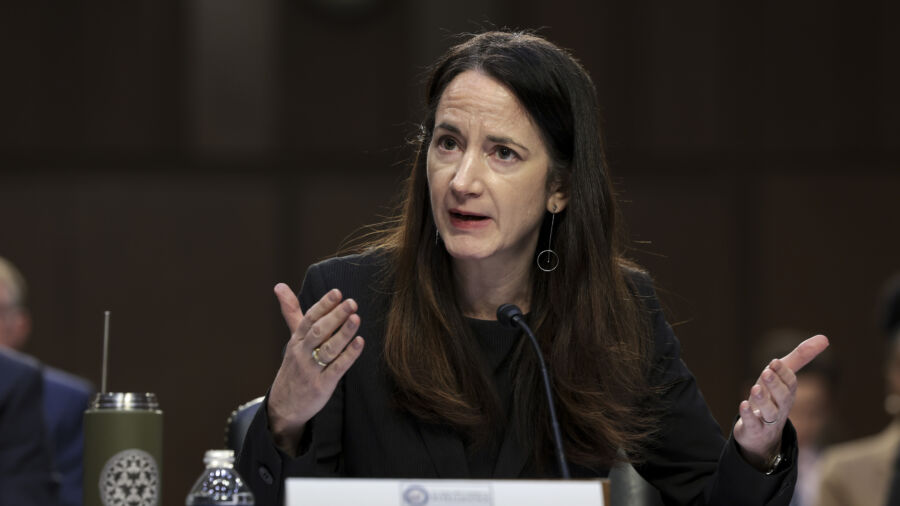
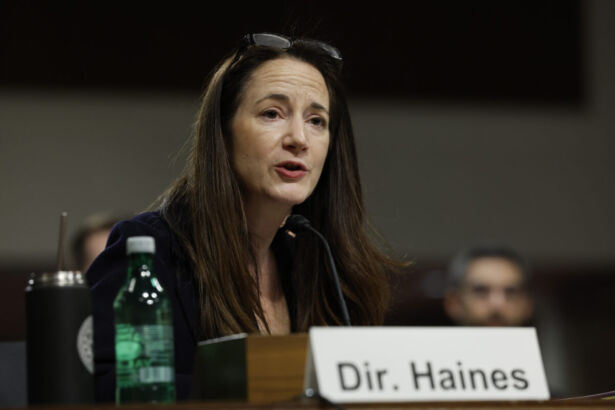
In a new development following the release of the report, Director of National Intelligence Avril Haines said that she has established a panel to make recommendations about how spy agencies can use this information.
Growing Threat
The report represents the first known attempt by the government to carry out a comprehensive assessment of how federal agencies obtain and use commercially available data on Americans, which is often collected without their knowledge.“In a way that far fewer Americans seem to understand, and even fewer of them can avoid, CAI includes information on nearly everyone that is of a type and level of sensitivity that historically could have been obtained” only by targeted intelligence gathering capabilities, such as court-authorized search warrants, wiretaps, and surveillance, the report states.
Its publication follows a request by Sen. Ron Wyden (D-Ore.) for Haines to review all commercial data purchases by intelligence agencies.
The report was authored by an advisory panel, whose identity has been redacted.
The key takeaway from the report is that commercially available information is an increasingly powerful asset for use in intelligence—and that it poses a growing threat to privacy, individual liberties, and even personal safety.
Even though commercially available information may be anonymous, the report warns that it’s often possible to “deanonymize” it and so identify the individuals it pertains to. This information could then be used to “cause harm to an individual’s reputation, emotional well-being, or physical safety.”
If the data falls into the wrong hands, it could easily be used to “facilitate blackmail, stalking, harassment, and public shaming,” the report warns.
U.S. intelligence agencies were urged in the report to develop better policies and guardrails around the use of such data in order to address the growing threat that this practice poses.
Commercially available information “is increasingly powerful for intelligence and increasingly sensitive for individual privacy and civil liberties, and the IC therefore needs to develop more refined policies to govern its acquisition and treatment,” the report states.

“Congress needs to pass legislation to put guardrails around government purchases, to rein in private companies that collect and sell this data, and keep Americans’ personal information out of the hands of our adversaries,” Wyden said.
The Epoch Times has reached out to ODNI with a request for comment and on Wyden’s call for new legal guardrails but did not receive a response by time of publication.