



Seasonal plants are a beloved part of Christmas for many, adding a splash of color and a sweet scent to any holiday decor. But some festive flora may pose major health risks to pets, potentially turning a joyful celebration into a worrisome trip to the vet.
Cahn said toxicity symptoms can vary greatly, depending on the plant type and the amount ingested. Other factors, such as the pet's species, size, age, and overall health, as well as how long it takes to seek veterinary care, can also influence the outcome.
Toxic Holiday Plants to Avoid
Don't kiss pets under the mistletoe. According to the American Society for the Prevention of Cruelty to Animals (ASPCA), the parasitic evergreen contains toxic proteins, including lectins and phoratoxins, that can be quite harmful to dogs and cats, causing vomiting, diarrhea, and difficulty breathing, among other symptoms.Yew is another incredibly toxic plant. The evergreen conifer, which is sometimes used to decorate wreaths and garlands, is full of highly poisonous taxine alkaloids. If ingested, it can trigger muscle tremors, shortness of breath, seizures, and even acute cardiac failure, leading to sudden death.
"Because of the severity of the toxicity, suspected lily ingestion is treated as a true medical emergency, requiring immediate hospitalization, intravenous fluids, and close monitoring of kidney function. Outcomes are highly dependent on how quickly treatment begins," Villanueva explained.
"Cases like these highlight the importance of public awareness and prevention. We strongly advise that lilies not be brought into homes with cats, as avoiding exposure is the only guaranteed way to prevent this life-threatening toxicity."
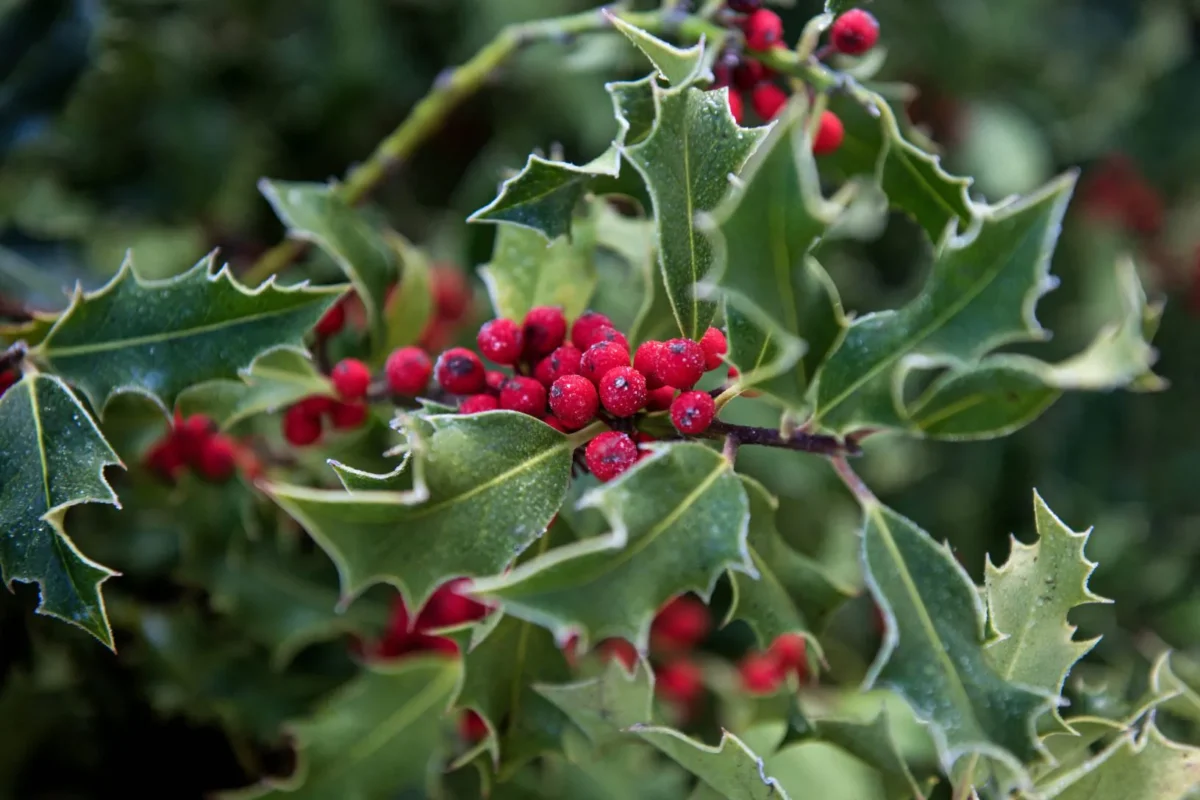
"In some cases, only one part of a plant is toxic, while in others, the entire plant (petals, pollen, leaves, fruit, bulb, etc) is dangerous," Cahn explained.
"Most plants are toxic year-round; however, flowering plants, including lilies, may be more toxic when blooming because the petals are attractive and tempting to nibble on (especially for cats), and pollen is abundant," the veterinarian added. "If a pet brushes against a plant, they could get pollen on their fur, which they may then lick off later during grooming."
Whether opting for fir, spruce, or pine, pet owners should keep an eye on their pets around the Christmas tree, too. "Drinking the tree water or eating needles can lead to upset stomachs or obstructions," Villanueva warned.

Seek Help if Ingested
Symptoms of toxicity may not always be immediately apparent, so Cahn recommends always erring on the side of caution."It is still crucial to seek advice from a vet even if your pet seems to be feeling fine," she said.
"If your pet eats a toxic plant, time is of the essence. Contact your veterinarian, a hotline such as ASPCA or Pet Poison Helpline (expect a fee), or an emergency vet immediately. They will be able to advise you on what type of testing and treatment, if any, is needed."
Treatment to manage symptoms may include inducing vomiting, fluid therapy, activated charcoal, or supportive care. However, Cahn noted that pet owners should never try to make their dog or cat vomit at home unless a veterinarian specifically instructs them to do so.