


For more than 100 years, doctors have treated Alzheimer's disease as a one-way street—a condition that can only be slowed or prevented, never reversed. But researchers at University Hospitals Cleveland Medical Center have just upended that thinking.
The research challenges what experts have long believed about the disease. "The key takeaway is a message of hope—the effects of Alzheimer's disease may not be inevitably permanent," according to Dr. Andrew Pieper, senior author of the study and director of the Brain Health Medicines Center at University Hospitals.
The team, which included researchers from Case Western Reserve University and the Louis Stokes Cleveland VA Medical Center, discovered that a cellular energy molecule called NAD+ plays a critical role in Alzheimer's. When the brain fails to keep NAD+ at healthy levels, Alzheimer's develops and worsens. The natural decline of NAD+ happens as people age, but the researchers found the drop is even more dramatic in Alzheimer's patients.
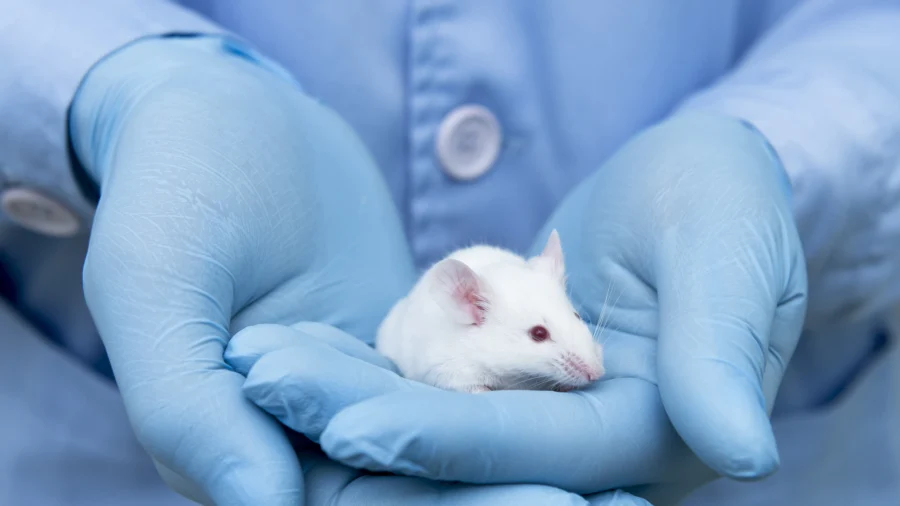
To test their theory, scientists used mice genetically engineered to develop Alzheimer's. One group carried human mutations affecting amyloid proteins, while another carried mutations in the tau protein. Both are major culprits in Alzheimer's development. These mice developed brain damage, thinking problems, and other symptoms that mirror human Alzheimer's disease.
The researchers then treated the mice with a drug called P7C3-A20, designed to restore NAD+ balance in the brain. In mice with advanced disease—animals already suffering significant brain damage—the treatment not only halted the disease's progression but reversed the damage. Both groups of mice fully recovered their ability to think and remember.
"Restoring the brain's energy balance achieved pathological and functional recovery in both lines of mice with advanced Alzheimer's," according to Pieper. "Seeing this effect in two very different animal models, each driven by different genetic causes, strengthens the idea that restoring the brain's NAD+ balance might help patients recover from Alzheimer's."
The findings were confirmed by measuring phosphorylated tau 217 in the mice's blood—a biomarker recently approved by doctors to track Alzheimer's in humans. Normal levels in the treated mice provided solid proof that the disease had actually reversed.
Dr. Kalyani Chaubey, who led the study, explained the significance of identifying how the reversal works. “Through our study, we demonstrated one drug-based way to accomplish this in animal models, and also identified candidate proteins in the human AD brain that may relate to the ability to reverse AD,” Chaubey stated.
However, Pieper cautioned that people should not rush to take over-the-counter NAD+ supplements. "Currently available over-the-counter NAD+-precursors have been shown in animal models to raise cellular NAD+ to dangerously high levels that promote cancer," he warned.
The drug used in the study works differently, helping cells maintain proper NAD+ balance without reaching unsafe levels.
The breakthrough opens new possibilities for treating a disease that affects millions worldwide. "The damaged brain can, under some conditions, repair itself and regain function," Pieper said.
The technology is now being commercialized by Cleveland-based Glengary Brain Health, co-founded by Pieper. The next step is testing whether these results in mice will work in human patients through carefully designed clinical trials.