


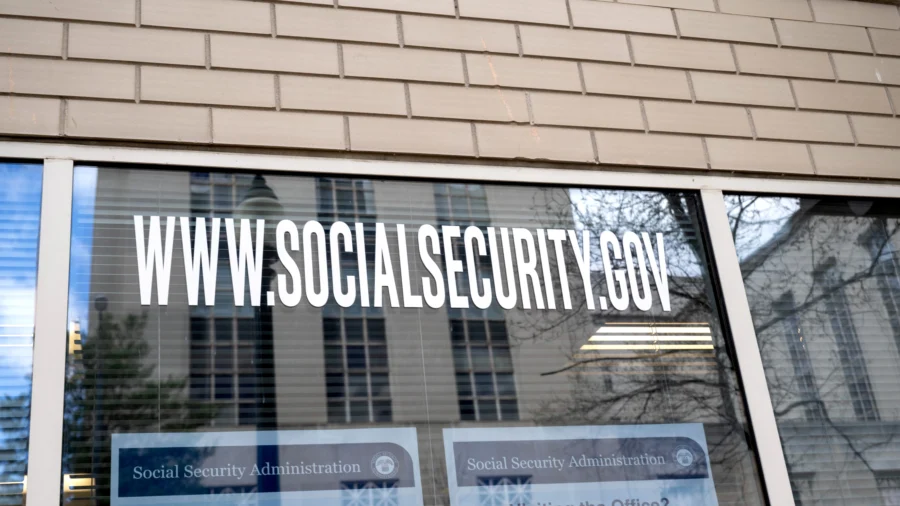
The Social Security Administration (SSA) has revised its plan for recovering errant overpays to U.S. seniors: Instead of withholding 100 percent of payments until the full amount is recouped, it will now only keep back 50 percent.
The new process is now this. When the agency finds that a Title II recipient is overpaid, they will receive a notice "requesting a full and immediate refund." The individual will also be told they have the right to request a review. "We usually provide 90 days for the individual to request a lower rate of withholding, a reconsideration, or waiver.”
If no request is made within that period, the agency will start cutting benefit checks in half until the full amount is recovered—assuming it isn't a case of fraud or similar.
“We have the significant responsibility to be good stewards of the trust funds for the American people,” acting commissioner of Social Security Lee Dudek said at the time. “It is our duty to revise the overpayment repayment policy back to full withholding, as it was during the Obama administration and the first Trump administration, to properly safeguard taxpayer funds.”
The withholding rate was a full 100 percent under Obama and during Trump's first term, but it was capped at 10 percent under Biden.
Public pushback played a role in the policy reversal. Social Security experts say that the SSA has now settled on a clawback policy that balances government financial need with empathy for impacted beneficiaries.
“The initial move to 100% withholding faced significant backlash from beneficiaries, advocacy groups, and lawmakers, who argued that such a policy would leave vulnerable individuals without essential income for basic needs,” said Darren Veracruz, registered Social Security analyst and an attorney at California-based Veracruz Law, by email. "The administration's decision to reduce the withholding cap to 50% acknowledges the undue hardship that full benefit withholding imposes on beneficiaries. It's a step towards balancing fiscal responsibility with compassion."
"The clawback of payments is especially unfair to seniors who do not have external support to help manage their finances and track their benefits,” wrote Benton. “Many beneficiaries may not be aware of an overpayment and could suddenly find themselves without a check."
The clawback rate adjustment to 50 percent gives U.S. seniors a little more breathing room if their monthly Social Security payments are reduced.
"Beneficiaries should not feel helpless upon receiving an overpayment notice,” Veracruz said. “The SSA provides avenues to contest or mitigate these claims, ensuring that individuals aren't unduly burdened."