


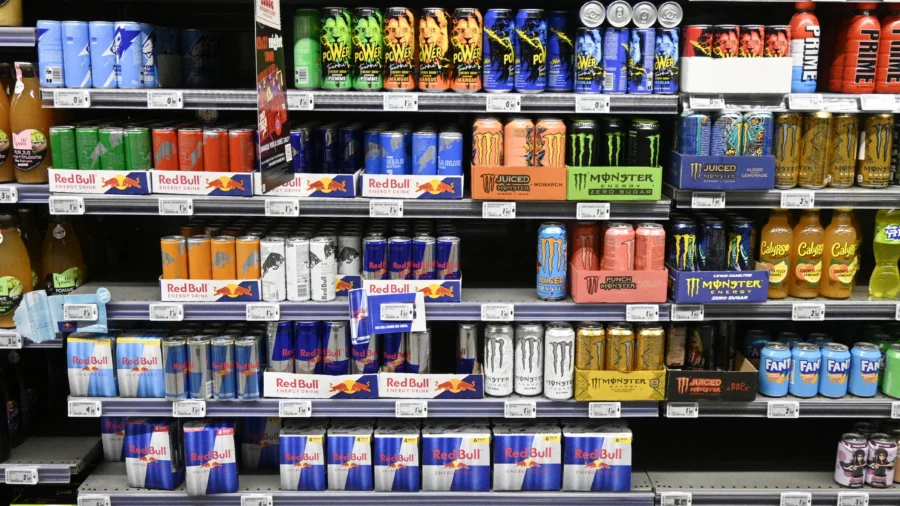
A research paper evaluating the consumption of energy drinks considers the beverage a risk for stroke and cardiovascular disease.
“On cessation of this consumption, his [blood pressure] normalized and antihypertensives were successfully withdrawn,” study authors wrote.
Most energy drinks are promoted as energy boosters and are mixed with large amounts of caffeine, sugar, and other stimulants like taurine, guarana, or B vitamins.
“Consuming large quantities of energy drinks can stress the blood vessels in a way comparable to stimulant drug use, making serious medical outcomes unsurprising,” board-certified neurologist Jeremy Liff told NTD.
In the case study, the stroke emerged on the patient’s left side with symptoms of weakness, numbness, and clumsiness. The patient’s blood pressure on admission to the hospital was 254 over 150 mmHg.
“There is no safe number of energy drinks to consume defined by age,” Dr. Liff added. “Risk is driven by dose and frequency, not age alone. Even younger individuals can experience serious consequences if they consume energy drinks excessively or regularly.”
Popular brands of energy drinks include Red Bull, Monster, Celsius, Bang, Ghost, and Rockstar.
The potential for the case study to focus attention on the invisible risks of consuming too many energy drinks is what interests integrative pharmacist and certified nutrition specialist Lara Zakaria the most.
“This case highlights something we didn’t have to contend with 30–40 years ago, which is that it’s now possible to consume pharmacologic doses of caffeine and stimulants routinely, without realizing it,” Zakaria told NTD. “Blood pressure can climb quietly until you’re in crisis. This case is a dramatic example.”
In addition to the caffeine, Zakaria wishes that consumers would pay attention to sugar content in energy drinks.
"In the context of high caffeine, sugar can further amplify blood pressure and vascular stress," Zakaria added. "But sugar-free doesn’t mean risk-free. Artificially sweetened energy drinks still deliver high stimulant loads."