


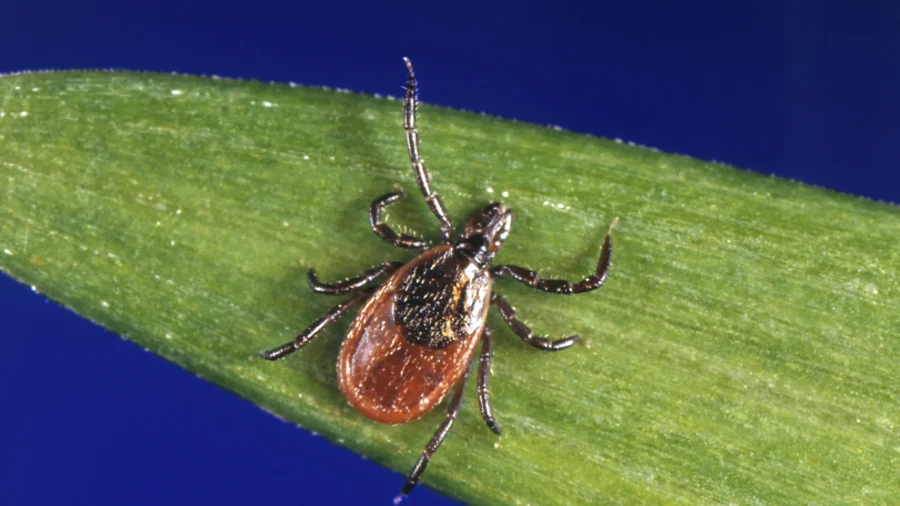
Emergency room visits for tick bites are surging across much of the United States, with the Northeast experiencing the highest rates, according to the latest data from the Centers for Disease Control and Prevention (CDC).
The CDC reports that tick activity remains elevated during the peak of tick season, which coincides with Lyme Disease Awareness Month in May. Health officials are emphasizing prevention as the most effective defense against the wide array of tick-borne illnesses.
“The good news is you have options to help prevent tick bites when you spend time outdoors: You can wear EPA-registered insect repellent and permethrin-treated clothing, do tick checks, and remove attached ticks as quickly as possible,” she said.
Hinckley said these precautions are highly effective for protecting yourself and your family from tick-borne diseases.
She advised that anyone who develops a rash or fever days or weeks after a tick bite, or after spending time in areas where ticks are common, should contact a health care provider right away.
While Lyme disease is the most prevalent tick-borne illness, other serious infections—such as Rocky Mountain spotted fever, anaplasmosis, ehrlichiosis, and the rare but dangerous Powassan virus—are also on the rise.
"The actual number of AGS cases in the United States is not known, but as many as 450,000 people may be affected," the CDC reports.
The CDC recommends that anyone who discovers an attached tick should remove it immediately with fine-tipped tweezers, grasping the tick as close to the skin's surface as possible and pulling upward with steady, even pressure.
“Preventing tick bites is considered the best form of protection throughout tick season,” the CDC said.
Experts note that the risk of tick bites varies by geography. Wooded, grassy, and brush-filled environments often pose the highest risk. It's recommended to wear long sleeves and pants, apply insect repellent, and conduct thorough full-body tick checks after spending time outdoors.