


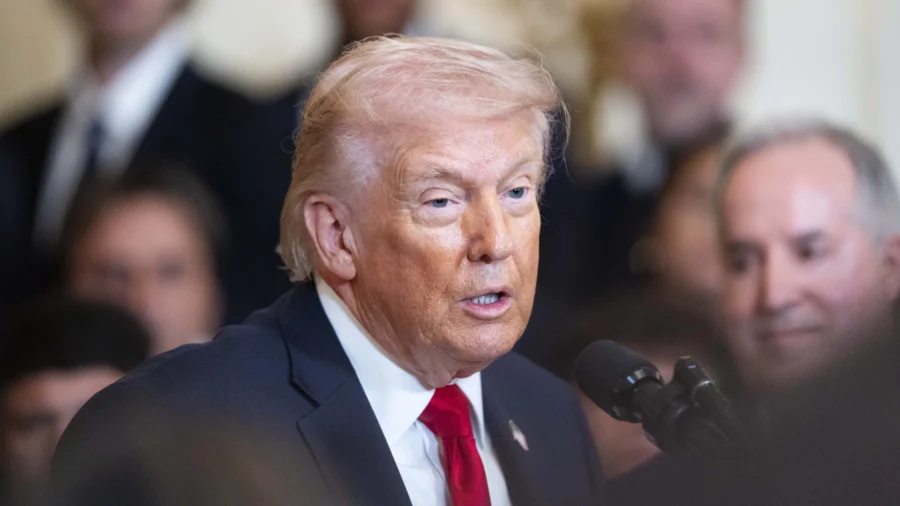
The remarks mark a sharp hardening of the U.S. position, signaling a move beyond traditional negotiations with Iran’s current leadership.
The crisis in Iran is drawing close attention in Beijing and Moscow. Both have deepened ties with Tehran in recent years through energy trade, military cooperation, and shared opposition to Western sanctions.
Echoes of the Soviet Collapse in Beijing
People familiar with internal discussions in China’s political system told the publication that Beijing’s leadership is focused less on battlefield developments in Iran than on the risk of political instability spreading.“Recently I heard that members of the Politburo Standing Committee have met several times to discuss the Middle East situation,” one source identified as Liang told the publication. “Officials were reminded to learn lessons from the collapse of the Soviet Communist Party.”
Liang said the comparison, rarely raised in internal discussions, surfaced as officials assessed the potential consequences of unrest in Iran.
“They are paying close attention to anti-government protests in Iran and how such events could influence public opinion in China,” he said. “Right now, online sentiment appears to sympathize with the Iranian people.”
In the Soviet case, communist regimes across Eastern Europe collapsed in 1989. Two years later, the Soviet Union itself broke apart. Chinese Communist Party leaders often cite that chain of events as a warning about how political upheaval in one country can spread across allied regimes.
But officials in Beijing are also weighing the broader strategic implications of instability in Iran.
The discussions, sources said, have centered on whether Iran’s political structure could weaken—and what such a shift might mean for Beijing’s long-term strategy in the Middle East.
Iran’s Strategic Value to China and Russia
Energy security is a key concern for Beijing. China is Iran’s largest oil buyer. The two countries have maintained years of cooperation in energy, infrastructure, and regional affairs.“Iran is an important source of energy for China,” Huang said. “Energy is the foundation supporting Belt and Road projects in the Middle East.”
According to the U.S. Energy Information Administration, China imports more than 11 million barrels of crude oil per day, much of it from Persian Gulf countries whose shipments pass through the Strait of Hormuz. Data from maritime analytics firm Kpler shows Iranian crude accounts for about 13.4 percent of China’s imports, figures Huang said are included in Beijing’s internal risk assessments.
The conflict has also raised concerns about shipping security. Huang said Chinese authorities recently instructed commercial vessels to steer clear of the Strait of Hormuz as a precaution. “Iran has promised not to attack Chinese ships,” he said. “But missiles don’t have eyes.”
The turmoil is already affecting Chinese business interests. The South China Morning Post reported that operations of several Chinese technology companies in Iran have been disrupted by the fighting.
On Jan. 29, Iran, China, and Russia signed a trilateral strategic pact aimed at expanding security cooperation, reflecting a broader push by the three countries to deepen ties amid Western sanctions and geopolitical rivalry with the United States.
But that partnership has shown limits.
According to Liang, Iran has sought stronger backing from Beijing and Moscow amid the crisis, but neither country has signaled concrete action so far.
The Iran Crisis and the Wider US–China Rivalry
Some analysts argue that the Iran crisis can also be viewed through the lens of the growing strategic rivalry between the United States and China.In an analysis published by Zineb Riboua, a researcher at the Hudson Institute, Iran is described as a key component of China’s strategic position in the Middle East—one that Beijing has spent years cultivating through economic ties and political support.
From that perspective, the U.S.-led military campaign targeting Iran’s missile and nuclear infrastructure, known as Operation Epic Fury, represents more than a regional military operation. By striking Iran directly, the campaign threatens to weaken a key pillar of China’s strategic posture in the Middle East.
According to Riboua’s analysis, a strong, defiant Iran has long served as a geopolitical distraction for Washington, forcing the United States to devote military and diplomatic resources to the Middle East rather than focusing fully on competition with China in the Indo-Pacific.
If Iran’s military capabilities or political stability are significantly weakened, that dynamic could change. The United States would face fewer immediate security crises in the Gulf, potentially allowing greater strategic focus on China.
In that sense, analysts say the stakes of the conflict extend beyond regional politics. What happens in Tehran could ripple outward into the larger contest shaping global geopolitics—the long-term rivalry between the United States and China.