


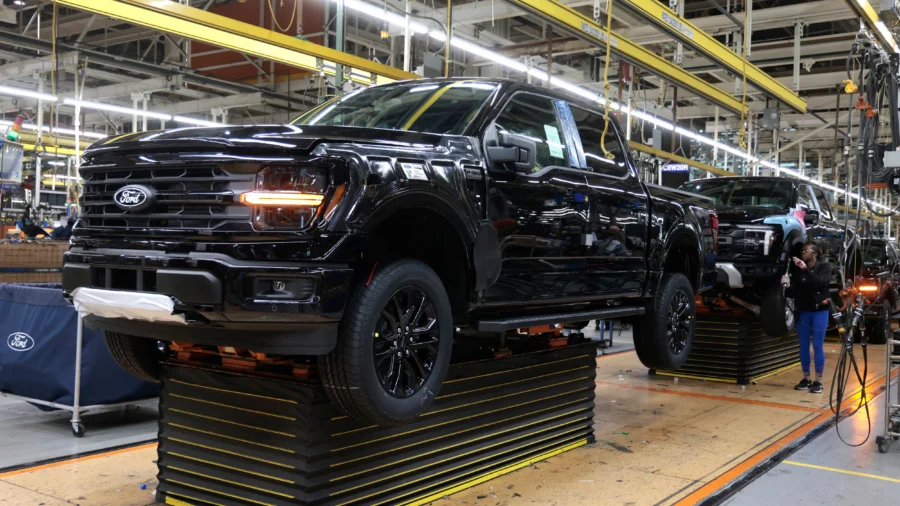
New tariffs will be applied to medium- and heavy-duty trucks and parts next month.
Additionally, the proclamation imposes a 10 percent import duty on buses.
These tariff rates will take effect on Nov. 1.
“Our great large truck company manufacturers, such as Peterbilt, Kenworth, Freightliner, Mack Trucks, and others, will be protected from the onslaught of outside interruptions,” Trump said in a series of Truth Social posts on Sept. 25.
“We need our truckers to be financially healthy and strong, for many reasons, but above all else, for national security purposes!”
Car Talk in Trade Negotiations
Days after Trump's announcement, Ford CEO Jim Farley expressed support for the tariffs, saying they are "a really big deal for our country" and for the automaker, as they will fend off foreign competition.It remains uncertain how significantly the latest tariffs will affect new trade deals and upcoming talks.
This comes as Stellantis confirmed it would be shifting production of its Jeep Compass from its manufacturing facility in Ontario to Illinois.
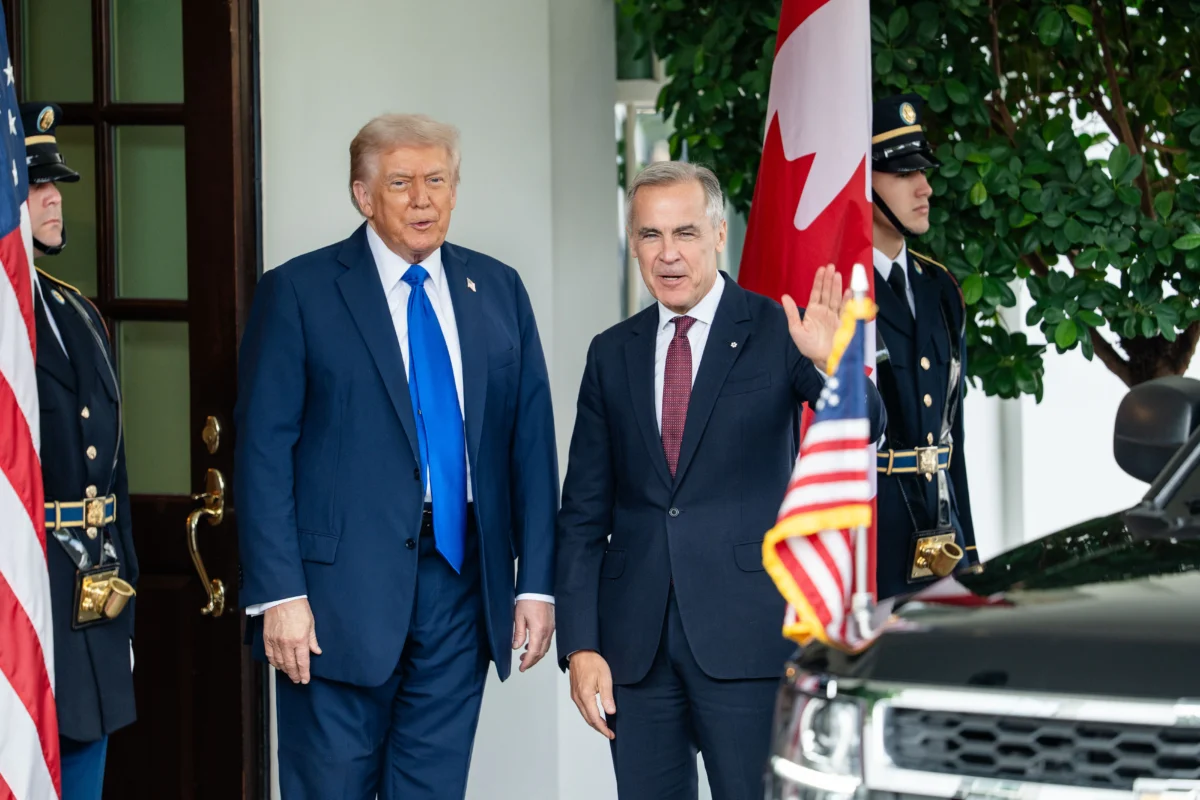
Canadian Prime Minister Mark Carney told reporters on Oct. 16 that the company has assured him the automaker is looking for a new model to fill the idled plant and pledged to support the impacted 3,000 workers.
“I expressed disappointment on their decision,” the prime minister said. "They’re looking at different models being produced in Brampton. That decision would be taken in the context of the finalization of the [United States–Mexico–Canada Agreement]."
Mexico, meanwhile, is the largest exporter of medium- and heavy-duty trucks to the United States. The southern neighbor ships more than 300,000 annually.
The current state of U.S.-Mexico trade negotiations is uncertain. This past summer, Trump authorized a 90-day extension before implementing 25 percent tariffs on Mexican goods, including automobiles, entering the United States.
Both Carney and Mexican President Claudia Sheinbaum have committed to collaboration, embarking upon a three-year plan to deepen cooperation and friendship.
Nearly $11 Billion Cost
A new analysis from Michigan-based Anderson Economic Group found that tariffs paid on automobiles and parts imported from Canada and Mexico have totaled nearly $11 billion so far this year."This is a huge tariff bill on U.S. automakers that have integrated their production with plants in Canada and Mexico,” Patrick L. Anderson, principal and CEO of Anderson Economic Group, said in a statement. “Even this figure underestimates the total tariff cost, as it includes only the two major categories of motor vehicle imports, and does not include any separate tariffs on steel and aluminum, nor imports from Europe or Asia."
Automakers and suppliers will not fully absorb the tariff costs, with businesses and consumers likely to bear some of the burden, Anderson said.
Despite holding steady in recent months, prices are beginning to inch higher, according to data from CarEdge shared with The Epoch Times.
This month, the average new car transaction price officially surpassed $50,000 for the first time.
Meanwhile, CarEdge CEO Zach Shefska said, "buyers aren’t pushing back."
"As automakers quietly eliminate base trims, raise destination fees, and reprice mid-tier models, consumers are normalizing record-high costs without realizing how much more they’re paying," Shefska said in a statement to The Epoch Times.