


President Donald Trump announced on Wednesday that Iran's new leadership has asked for a ceasefire.
Trump had previously stated that Iran had been “begging” the United States for a deal following weeks of Israeli strikes under Operation Epic Fury.
Iran’s Foreign Ministry spokesperson Esmaeil Baghaei rejected Trump’s statement that Tehran had requested a ceasefire, describing Trump’s claims as "false and baseless," as quoted by Iranian state media.
Iranian Foreign Minister Abbas Araghchi, speaking earlier to Al Jazeera, signaled Tehran’s willingness to keep fighting.
“You cannot speak to the people of Iran in the language of threats and deadlines,” he said. “We do not set any deadline for defending ourselves.
“This strait will not be opened to the enemies of this nation through the ridiculous spectacle by the president of the United States,” the statement added.
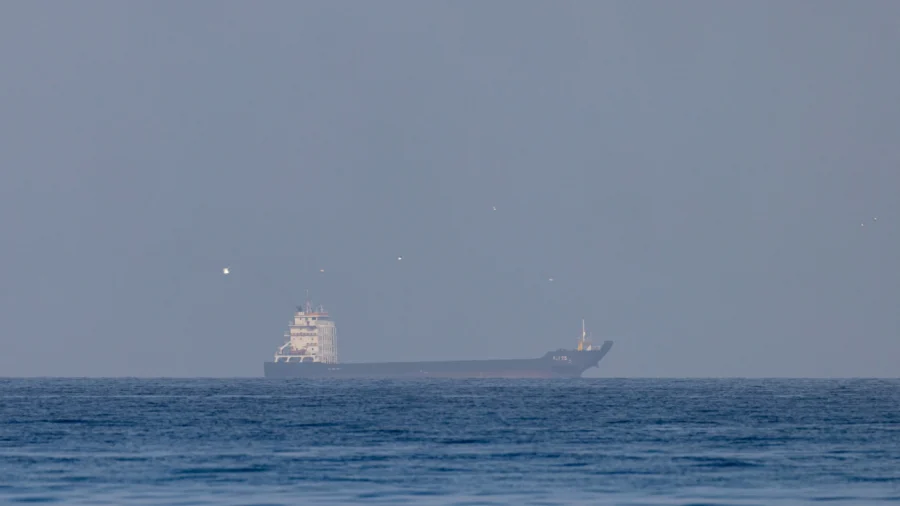
The Strait of Hormuz serves as a major shipping route for 20 percent of the global oil supply. Traffic through the strait had fallen by 90 percent since the start of the Iran war, sending global oil prices skyrocketing and causing shortages in the Asian nations that get their oil from Persian Gulf countries through the strait.
The president had given Iran a 48-hour ultimatum to fully reopen the Strait of Hormuz and threatened to strike Iran's power plants. But Trump later expanded the timeline, citing ongoing negotiations.
Iran has consistently denied that any talks were taking place. Trump, on the other hand, said special envoy Steve Witkoff, his son-in-law Jared Kushner, Secretary of State Marco Rubio, and Vice President JD Vance are involved in negotiations.
According to the White House, the president is scheduled to deliver a primetime address to the nation to provide an important update on Operation Epic Fury.
Trump's speech is set for 9 p.m. ET.