


“We welcome the commitment of nations who are engaging in preparatory planning.”
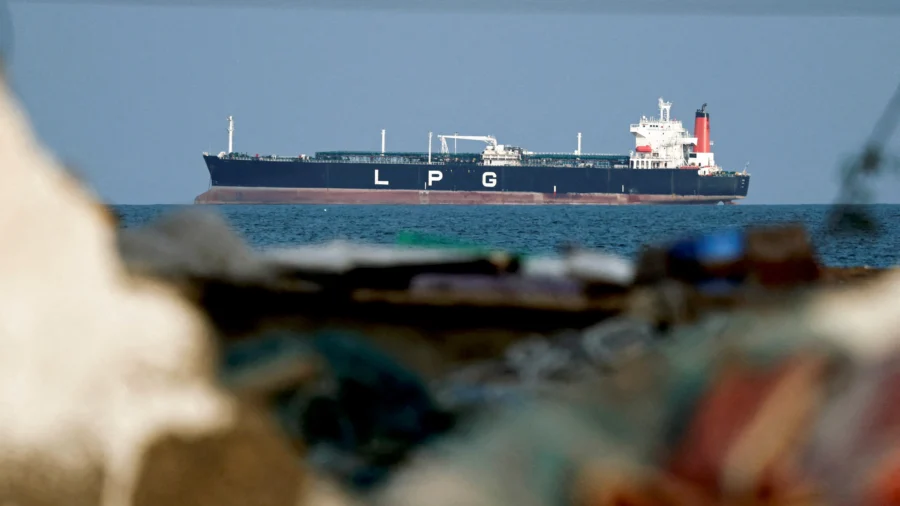
As of Saturday, 22 countries have pledged to ensure safe navigation through the crucial passageway located just off the Southwest coast of Iran, through which around one-fifth of the world’s oil and gas passes.
The countries committed to the efforts are the UAE, the United Kingdom, France, Germany, Italy, the Netherlands, Japan, Canada, the Republic of Korea, New Zealand, Denmark, Latvia, Slovenia, Estonia, Norway, Sweden, Finland, Czechia, Romania, Bahrain, Lithuania, and Australia.
The joint statement on Saturday also condemned Iran’s recent attacks on unarmed commercial vessels in the Gulf, attacks on civilian infrastructure, including oil and gas installations, and the closure of the Strait of Hormuz by the Iranian regime.
“We express our deep concern about the escalating conflict,” the statement added.
“We call on Iran to cease immediately its threats, laying of mines, drone and missile attacks, and other attempts to block the Strait to commercial shipping, and to comply with UN Security Council Resolution 2817.”
Iranian Foreign Minister Abbas Araghchi said the situation in the Persian Gulf and Strait of Hormuz will only return to normal if the United States and Israel stop attacks and end the war, and promise there won’t be any further aggressions, according to a translated summary of his phone call with India’s minister of External Affairs that he shared with his Telegram followers on March 21.
U.S. officials have said the military operations against Iran are a preemptive attack to prevent the regime, which has long supported terrorist groups, from obtaining a nuclear weapon. The joint U.S.–Israeli strikes were launched days after the most recent round of nuclear talks between the U.S. and Iranian delegations in Geneva failed to reach an agreement.