


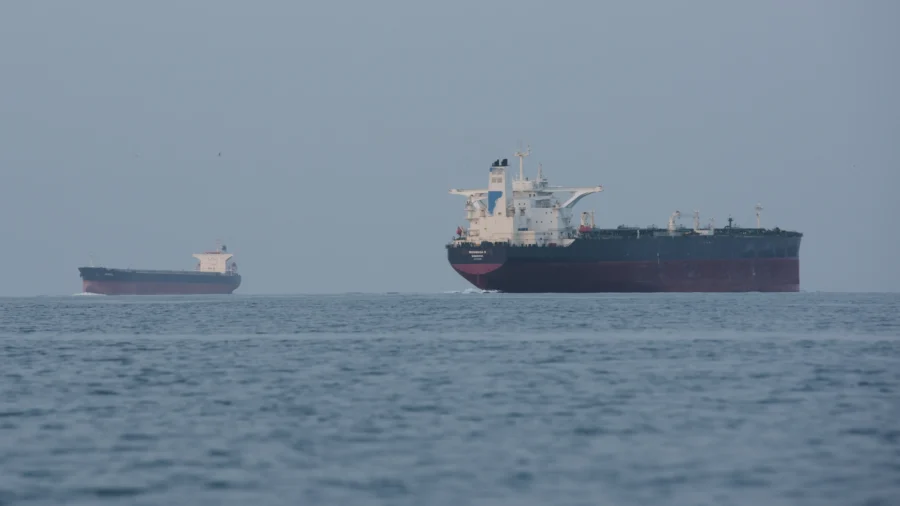
The United States has rejected 27 vessels around the Strait of Hormuz since beginning its blockade in the Gulf of Oman in the Arabian Sea, U.S. Central Command said on April 20.
The military said in an X post that it had ordered the ships to turn around and return to Iranian ports. The blockade, which began on April 13, comes as the United States and Iran have been meeting, with Pakistan acting as an intermediary.
There were no clear signs of direct U.S.–Iran negotiations over the weekend, despite earlier indications from President Donald Trump that talks could take place. A ceasefire is set to expire on Wednesday.
Trump told PBS News that bombing will resume if the ceasefire is not extended.
In an April 19 social media post, the president accused Iran of violating the ceasefire by firing bullets on Saturday at a French ship and a British freighter.
Trump told Bloomberg that it is "highly unlikely" that he will extend the ceasefire.
“I’m not going to be rushed into making a bad deal. We’ve got all the time in the world,” he said.
Iran said on Saturday that it was tightening control over the Strait of Hormuz, warning mariners that the critical energy route was effectively closed again. Trump responded that Tehran could not blackmail the United States by shutting the waterway.
Tehran said its actions were a response to the ongoing U.S. blockade of Iranian ports, which it described as a violation of a ceasefire agreement. Supreme Leader Mojtaba Khamenei said in a social media post over the weekend that Iran’s navy was prepared to inflict “new bitter defeats” on its enemies.
Iranian state media, citing the Supreme National Security Council, said Tehran’s control over the strait includes requiring payments for security, safety, and environmental protection services. The council also said the United States had presented new proposals following Pakistan-mediated talks in recent days, which Iran was still reviewing.
State television also quoted the Supreme National Security Council as saying the United States had put forward new proposals after talks mediated by Pakistan in recent days. Tehran was considering them but had not yet responded, it said.
Iranian Foreign Ministry spokesperson Esmail Baghaei said there are “no plans for the next round of negotiations” and stressed that Iran will be “prioritizing national interests and benefits.”
Tehran’s renewed hardline stance has increased uncertainty around the conflict, raising concerns that oil and gas shipments through the strait could remain disrupted as Washington considers whether to extend the fragile ceasefire.
Trump said the United States was engaged in “very good conversations” with Iran but said that Tehran was seeking to close the strait again, reiterating that such pressure tactics would not succeed.
Iran had briefly reopened the Strait of Hormuz following a separate U.S.-brokered 10-day ceasefire between Israel and Lebanon. That agreement came after Israel launched operations in southern Lebanon in response to Hezbollah’s entry into the conflict in early March.
However, on Saturday, Iran’s armed forces command said the strait had returned to strict military control, citing what it called repeated U.S. violations and “piracy” under the cover of a blockade.
The conflict began on Feb. 28 with a joint U.S.–Israeli strike on Iran and has since killed thousands, expanded into Lebanon, and driven up global oil prices due to disruptions in the strait.
Iran’s deputy foreign minister, Saeed Khatibzadeh, said no timeline had been set for further negotiations, adding that a basic framework must first be agreed upon, the Associated Press reported.
Pressure to end the conflict has grown as domestic political challenges mount in the United States, including high fuel prices, inflation, and declining approval ratings for Trump ahead of the November midterm elections.
“The main thing is that Iran will not have a nuclear weapon,” Trump said on Friday. “You cannot let Iran have a nuclear weapon, and that supersedes everything else.”