


The core inflation rate, which strips the volatile food and energy sectors, also advanced to 6.3 percent last month. This was also higher than the market expectation of 6.1 percent and up from 5.9 percent in July.
On a monthly basis, the consumer price index (CPI) rose 0.1 percent, while the core CPI surged 0.6 percent.
Food and shelter costs contributed to the inflation numbers as they increased 11.4 percent and 6.2 percent, respectively, year-over-year.
The energy index eased to 23.8 percent, new vehicles surged 10.1 percent, used cars and trucks jumped 7.8 percent, and apparel edged up 5.1 percent.
Transportation services soared 11.3 percent and medical care services swelled 5.6 percent.
Within the food index, most items were up on both a year-over-year and month-over-month basis.
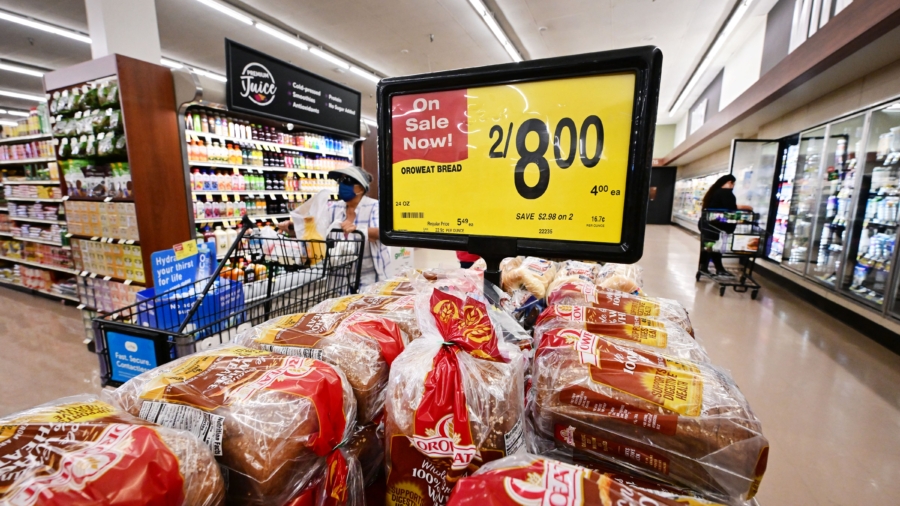
Bread prices rose 16.2 percent from the same time a year ago, milk soared 17 percent, eggs spiked 39.8 percent, and fruits and vegetables surged 9.4 percent.
BLS data further showed that meat was mostly up across the board, with uncooked ground beef up 7.8 percent, chicken jumping 16.6 percent, ham rising 9.2 percent, and pork surging 6.8 percent.
On the energy front, prices eased considerably from July to August. Fuel oil slipped 5.9 percent, motor fuel declined 10.5 percent, and propane and kerosene dipped 0.9 percent. However, electricity prices added 1.5 percent.
A broad array of goods and services continued climbing in August. Men's apparel rose 4.8 percent, dental services surged 4.7 percent, postage climbed 3 percent, and major appliances edged up 2.2 percent.
The financial markets cratered on the news in pre-market trading, with the Dow Jones Industrial Average down more than 500 points. The S&P 500 shed more than 1.2 percent and the Nasdaq Composite Index shed about 225 points.
Investors are worried that the Federal Reserve will continue raising interest rates and might be more aggressive in its monetary tightening efforts.
Will the Fed Ease Policy?
Financial markets have cheered anytime there is the slightest hint of easing inflationary pressures because investors think this would prompt the Federal Reserve to slow down its pace of rate hikes or to cut interest rates.Central bank officials have repeatedly stated that they do not intend to turn dovish during this tightening cycle until there is clear evidence that inflation is on a downward trend.
"Inflation is widespread, driven by strong demand that has only begun to moderate, by an ongoing lag in labor force participation and by supply chain problems that may be improving in some areas but are still considerable," he said in prepared remarks.
Fed Chair Jerome Powell spooked financial markets last month when he told the Jackson Hole Economic Symposium that households and businesses need to brace for "some pain."
“Reducing inflation is likely to require a sustained period of below-trend growth,” Powell said. “While higher interest rates, slower growth, and softer labor market conditions will bring down inflation, they will also bring some pain to households and businesses. These are the unfortunate costs of reducing inflation. But a failure to restore price stability would mean far greater pain.”
Jason Brady, the president and CEO of Thornburg Investment Management, agrees that the Fed is unlikely to reverse its hawkish tightening, even if it results in an economic downturn.
"The Fed began gambling with the economy after adjusting their framework a few years ago. They realize now that they lost the script and as market participants, we’re paying for this gamble as the Fed works to get inflation under control. We shouldn’t lose sight of the fact that we’re in the middle of a Fed gamble—a bet that they lost," he wrote in a research note. "I think the Fed is much more likely to remain aggressive about fighting inflation than collapsing under the weight of economic pain."
If this happens, investors can most likely expect a half-point increase at the next rate-setting Committee policy meeting, notes Ipek Ozkardeskaya, a senior market analyst at Swissquote Bank.