


Utah officials are urging people to avoid others if they are showing symptoms of measles, in a bid to stop the spread of the infectious disease in the state.
An outbreak that started in the summer of 2025 has infected at least 358 Utah residents as of March 3, the Utah Department of Health and Human Services said on March 5.
"If you do think you might have measles, we encourage you to stay home," Dr. Leisha Nolen, Utah's state epidemiologist, told a news conference in Salt Lake City on Thursday. "Don't expose other people. This is a highly contagious virus and we don't want to spread it around."
Most of the cases in the outbreak have been in the southern part of Utah, but cases have recently cropped up elsewhere.
"It is now expanding, and we are having people diagnosed in every part of our state," Nolen said.
The Salt Lake County Health Department said in a statement in February that measles was spreading in the county and that residents should avoid work, school, and other places if they have any symptoms.
Nationwide, the 2,283 measles cases in 2025 were the highest since 1991. So far in 2026, the case number is on a trajectory to surpass that total.
The majority of people who have contracted measles since Jan. 1, 2025, have recovered without going to the hospital, according to the Centers for Disease Control and Prevention, but a small number received hospital care, and several died.
Utah officials said that 120 people have gone to an emergency room for measles, with 31 hospitalized overnight, and three requiring intensive care. No deaths have been recorded in the state.
"But it makes me very nervous to have this many people get sick with this disease, that we might in the future have to report that," Nolen said. "So, today we are coming to people across Utah to really remind them how this disease is spreading and to take whatever precaution they can to protect themselves against it."
Infections have come from a variety of gatherings, including wrestling events, dance activities, and basketball, officials said.
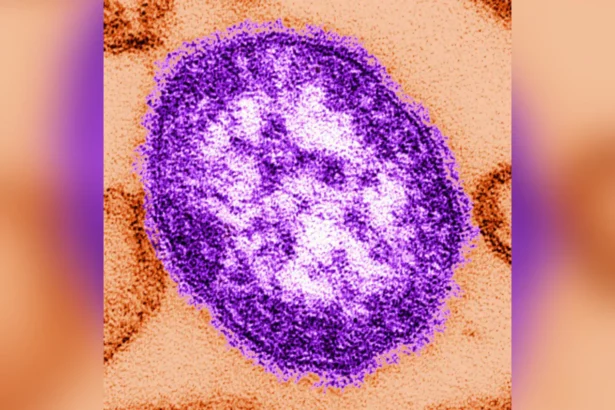
Measles typically spreads through droplets from infected people. Symptoms usually appear seven to 14 days after contact. Symptoms can include cough, runny nose, rash, and high fever.
"The measles vaccine is the best thing to protect your child. It is how we can stop this," Nolen said.
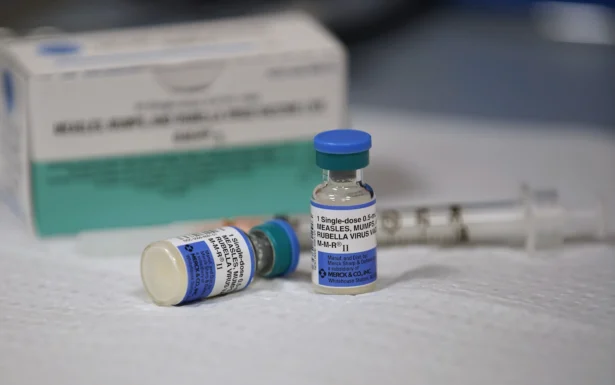
The CDC estimates that one dose of the measles, mumps, and rubella vaccine provides 93 percent protection against measles and that two doses confer 97 percent protection.
Side effects of the vaccine include fever and rash.
Nolen said that most measles cases in Utah have occurred among unvaccinated people, but 8 to 10 percent of cases have occurred among people who have received a vaccine.
"It's unfortunate that we do have some people who are vaccinated get measles," she said. "But we know there is no such thing as a perfect vaccine."