

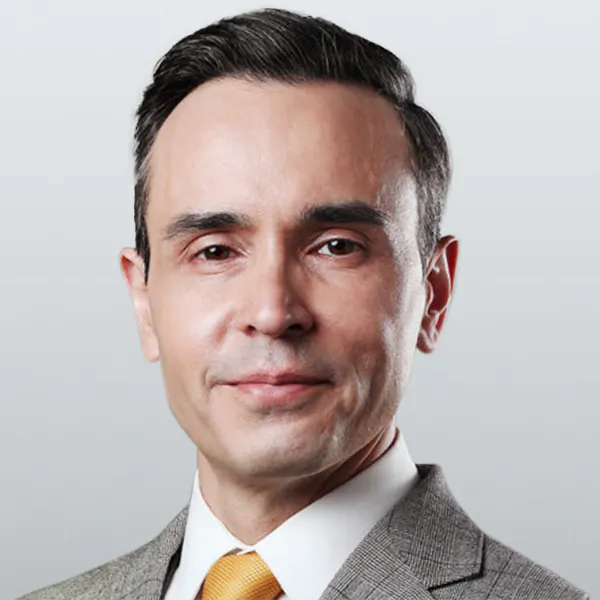
As a neurosurgeon, Dr. Russell Blaylock encountered brain injury on a daily basis, while seeing the power of specific nutrients to revive brain health.
“The nurses used to say, Dr Blaylock’s patients do a lot better than everybody else's, because I would give them these things (nutrients) to protect their nervous system,” Blaylock recalls.
Board certified neurosurgeon, Blaylock joins “Vital Signs with Brendon Fallon” to highlight seven natural plant products and extracts that can work to prevent Alzheimer’s disease.
“Toxins like aluminum, exposure to pesticides, herbicides, fluoride, all of them will activate microglia…and produce brain inflammation,” says Blaylock, outlining a common path of brain cell decline that can lead to Alzheimer’s disease.
At the same time, he points to curcumin, quercetin, tea catechins, omega-3 fatty, and other nutrients as antidotes to brain inflammation.
“They all quieten these microglia cells in the brain, which are the primary cells that are producing Alzheimer's,” he says.
In what forms and in what amounts can curcumin and Vitamin E best counter brain inflammation?
How does targeted nutrition compare to leading medications for preventing brain and heart disease?
“We look at the animal models that have a high incidence of atherosclerosis, and they're fed (plant compound) luteolin; and [then] they have no atherosclerosis or very low atherosclerosis,” says Blaylock.
“So, it is a very powerful way to prevent hardening of the arteries, far better than and far safer than statin drugs,” he adds.
Blaylock is editor of “The Blaylock Wellness Report,” emphasizing the right nutrition for improving health and preventing disease.
Up Next:
Watch “Super Immune Berry” on how elderberry combats flu, Covid, and other viruses.
—----------------------------------------------------------------------------------------------------------------------------------------------
Related/referenced studies:
Identification of Epigallocatechin-3-Gallate (EGCG) from Green Tea Using Mass Spectrometry
————————————————————————————————————————————————-
Follow Vital Signs on Social Media: X | Instagram | Facebook | Truth Social | Gettr | Telegram====================================================================
Vital Signs’ host, guests, and contributors offer general information on improving health and wellness. This is not intended as diagnosis or medical advice. You should consult your medical doctor or holistic doctor before enacting any suggested strategies for health and wellness improvement, including those in relation to preventing or treating specific diseases featured on this program.
Views expressed in this video are opinions of the host and guests, and do not necessarily reflect the views of NTD.