


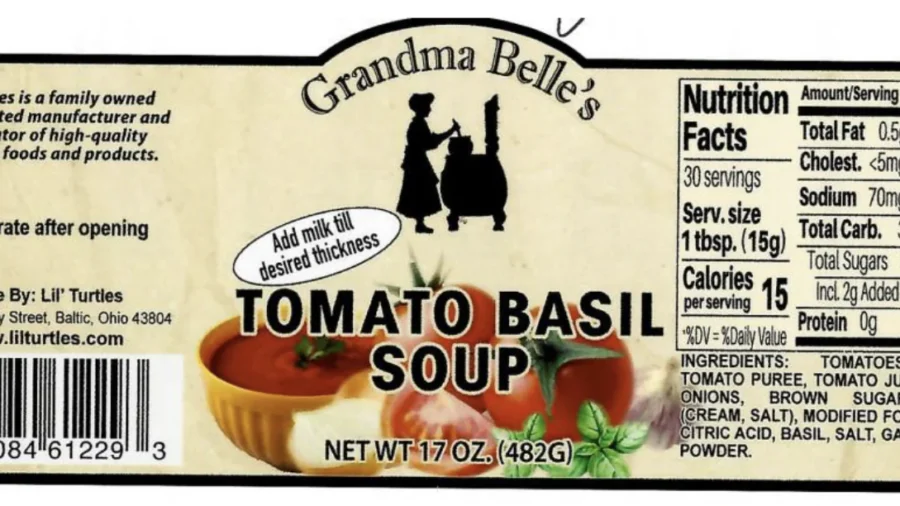
A popular tomato basil soup sold across 14 states is being pulled from shelves after regulators discovered a labeling error that could pose serious health risks to people with milk allergies.
The mislabeling was caught during a routine inspection by the Ohio Department of Agriculture. While no illnesses have been reported so far, health officials warn that anyone allergic to milk could face a dangerous reaction if they eat the soup.
"People who have an allergy or severe sensitivity to milk run the risk of a serious allergic reaction if they consume this product," the company said.
The reactions can range from uncomfortable to life-threatening. Mild symptoms include hives, an itchy mouth, watery eyes, and stomach cramps. More severe cases can cause vomiting, difficulty breathing, and swelling of the lips, tongue, or throat.
In the most serious situations, milk can cause anaphylaxis—a potentially fatal reaction that narrows airways and can block breathing. According to medical experts, milk is the third most common food to trigger anaphylaxis, behind only peanuts and tree nuts. Anyone experiencing this life-threatening symptom needs an immediate epinephrine injection.
The recalled soup was distributed to specialty markets, farm stores, and delis across Ohio, Pennsylvania, New York, Kentucky, Minnesota, Utah, Oklahoma, Kansas, Mississippi, Illinois, Indiana, Missouri, Wisconsin, and Iowa. Affected retailers include Baltic Meats in Baltic, Ohio; Jungle Jim in Cincinnati; Indian Trail Country Market in Elizabethville, Pennsylvania; and dozens of other locations.
Customers who bought Grandma Belle's Tomato Basil Soup and have a milk allergy should stop eating it immediately. The company is offering replacement products to affected consumers.
Customers with questions can call 330-897-6400 Josh Coblentz, a company representative.
The proteins casein and whey—found in the solid and liquid parts of milk—can show up in processed foods where consumers might not expect them. Even products labeled "milk-free" or "nondairy" sometimes contain these proteins.
For parents of young children with milk allergies, navigating dietary restrictions can create stress around food choices, as a lack of milk may lead to nutritional deficiencies if it isn't properly replaced with other sources of calcium and vitamin D.
Most children eventually outgrow milk allergies as their digestive systems mature.