


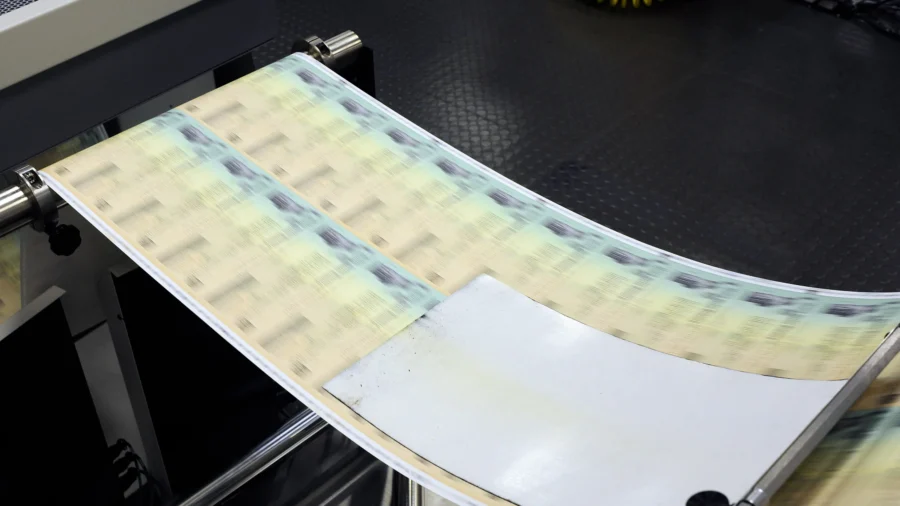
Most federal benefit payments will shift to electronic delivery at the end of this month, but Social Security officials say paper checks will not disappear entirely.
“Reducing paper checks has been a longstanding bipartisan goal that our administration is finally putting into action. Thanks to President Trump, this will help reduce fraud and theft. It will also remove delays that prevent hardworking Americans from receiving their vital payments,” Treasury Secretary Scott Bessent said in mid-August, when the shift away from paper was first announced.
The Social Security Administration (SSA) confirmed in an earlier statement to The Epoch Times that it will continue to send paper checks when “a beneficiary has no other means to receive payment.”
SSA Clarification
Federal regulations require all benefit recipients to use an electronic-payment option, according to the SSA. But the agency notes that, in rare cases, it will grant a waiver allowing some people to continue receiving paper checks.To qualify, recipients must meet at least one of three criteria: they are aged 90 or older; live in a remote area without access to electronic financial services; or have a mental impairment that makes it difficult to manage direct deposit or a Direct Express card. Applicants also must provide a brief written explanation of their situation.
“If you do not meet the criteria above, you are required to convert your federal benefit check to electronic payment,” the SSA says.
For those switching to electronic payments, Treasury says the process generally takes one to two pay cycles, or about four to six weeks. During that time, beneficiaries will continue to receive paper checks, and should expect one or two more before electronic payments begin.