


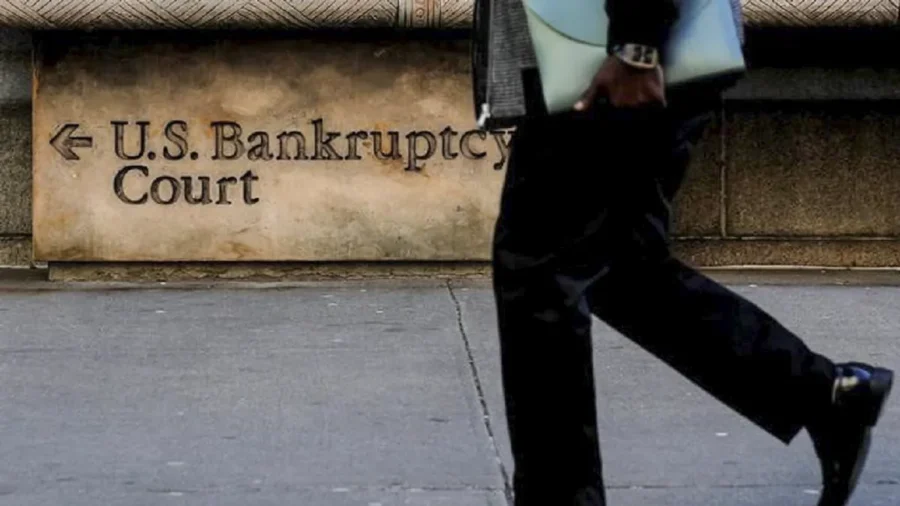
Bravo Brio Restaurants, operator of upscale Italian dining chains Brio Italian Grille and Bravo! Italian Kitchen, declared Chapter 11 bankruptcy protection on Monday, marking the company's second financial collapse within five years.
The restaurant operator, which manages 59 locations nationwide under both brands, joins a growing roster of dining establishments seeking bankruptcy relief amid mounting economic pressures plaguing the industry.
In a statement sent to Restaurant Business Online, the company attributed its financial distress to persistent inflation, escalating operational costs, and declining performance across the casual dining sector.
"Outgoing inflationary pressure, rising food and labor costs and a softening in discretionary consumer spending have contributed to underperformance, especially in shopping centers with high vacancies and declining foot traffic," the company stated to the restaurant industry publication. "These pressures have proved insurmountable to numerous other legacy casual-dining restaurant brands, many of whom have also turned to bankruptcy as a tool for restructuring."
Bravo Brio Restaurants did not immediately return a request for comment from NTD News.
Court documents reveal Bravo Brio's financial obligations range between $50 million and $100 million, with the company owing $1.9 million specifically to food distributor Sysco. The bankruptcy follows the company’s previous Chapter 11 bankruptcy filing protection in 2020 before being acquired by its current owner Earl Enterprises.
As part of its restructuring strategy, Bravo Brio plans to close underperforming locations while working to stabilize its finances. However, the company has not disclosed how many of its 59 restaurants across the United States will face closure under the bankruptcy plan.
Hooters spokesperson Jack Schaible said in June that the company made "the difficult decision to close certain company-owned locations, effective June 4, 2025," as part of restructuring efforts. The chain secured $40 million in debtor-in-possession financing, including $35 million in new capital to maintain operations during bankruptcy proceedings.
In April, Consolidated Burger Holdings, one of the largest Burger King franchisees in the United States, filed for Chapter 11 protection, citing pandemic-related challenges and industry pressures affecting its 57 Florida and Southern Georgia locations.
The franchisee reported sales of $67 million in 2024 with net operating losses reaching $12.5 million, according to court documents filed by Chief Restructuring Officer Joseph Luzinski. The company secured $1.6 million in debtor-in-possession financing to continue operations during bankruptcy proceedings.
TGI Fridays Inc. also entered Chapter 11 proceedings in November 2024, with Executive Chairman Rohit Manocha stating that "the primary driver of our financial challenges resulted from COVID-19 and our capital structure."
The wave of bankruptcy filings reflects broader challenges facing the restaurant sector as operators struggle to adapt to post-pandemic dining habits while managing increased operational expenses and reduced consumer spending power.
The wave of bankruptcies reflects broader challenges facing the restaurant sector. Many restaurants are having trouble adjusting to changes in how people eat out after the pandemic, while also dealing with higher costs and customers who have less money to spend, according to restaurant operators.